EveryEvent San Diego

すべてのEventsを見る

Find every event in San Diego

events

Concerts & Live Music
Festivals
Sports & Recreation
Food & Drink
Arts & Culture
Community
Family & Kids
Nightlife
Comedy
Theater
人気の目的地
BaliSedonaLos AngelesCosta RicaNew YorkSan FranciscoAustinMiamiJoshua TreeTulum
すべてのカテゴリを見るすべての目的地を見る

すべての機能を探索

イベントを成長させる強力なツール

プラットフォーム機能

スマートダイナミックプライシング
チケットカテゴリ
座席指定
カート放棄リカバリー
訪問者リカバリー
寄付とスライディングスケール
アフィリエイトシステム
チケットスキャナー
クーポンコード
カスタム質問
チケット共有
アップセルとアドオン
分析とレポート
メールシーケンス
ウェイトリスト / 通知 / リマインダー
探索
Discovery HubArtists & PerformersVenuesKnowledge Base
すべての機能を見る私たちについて
料金ブログ
Language
Saved events
すべてのイベントを見る

events

Concerts & Live MusicFestivalsSports & RecreationFood & DrinkArts & CultureCommunityFamily & KidsNightlife

人気の目的地

BaliSedonaLos AngelesCosta RicaNew YorkSan Francisco

探索

Discovery HubArtists & PerformersVenuesKnowledge Base

プラットフォーム機能

スマートダイナミックプライシングチケットカテゴリ座席指定カート放棄リカバリー訪問者リカバリー寄付とスライディングスケールアフィリエイトシステムチケットスキャナークーポンコードカスタム質問チケット共有アップセルとアドオン分析とレポートメールシーケンスウェイトリスト / 通知 / リマインダー
すべての機能を見る私たちについて
料金ブログ
ログイン新規登録イベント主催者
  • Browse All Events
  • Concerts & Live Music
  • Festivals
  • Sports & Recreation
  • Food & Drink
  • Arts & Culture
  • Community
  • Family & Kids
  • Nightlife
  • すべてのカテゴリ →
  • Los Angeles
  • Tijuana
  • Palm Springs
  • Joshua Tree
  • Temecula
  • All Destinations →
  • For Promoters
  • For Artists
  • For Venues
  • For Festivals
  • For Event Spaces
  • For Nonprofits
  • For Bloggers
  • For Speakers
  • Brand Ambassador
  • Case Studies
  • 35万人以上のバイヤーネットワーク
  • カート放棄リカバリー
  • スマートダイナミックプライシング
  • チケットカテゴリ
  • 定期イベント
  • 座席指定
  • アフィリエイトシステム
  • ウェイトリスト / 通知
  • チケットスキャナー
  • 埋め込みウィジェット
  • イベント配信
  • メッセージセンター
  • インテグレーション
  • レポート
  • すべての機能 →
  • 概要
  • エコシステム
  • ブログ
  • 用語集
  • インスピレーション
  • ヘルプセンター
  • お問い合わせ
  • APIドキュメント
  • ブランドアセット
  • 採用
  • プレス
  • 利用規約
  • プライバシーポリシー

Events

  • Browse All Events
  • Concerts & Live Music
  • Festivals
  • Sports & Recreation
  • Food & Drink
  • Arts & Culture
  • Community
  • Family & Kids
  • Nightlife
  • すべてのカテゴリ →

Getaways

  • Los Angeles
  • Tijuana
  • Palm Springs
  • Joshua Tree
  • Temecula
  • All Destinations →

For Organizers

  • For Promoters
  • For Artists
  • For Venues
  • For Festivals
  • For Event Spaces
  • For Nonprofits
  • For Bloggers
  • For Speakers
  • Brand Ambassador
  • Case Studies

機能

  • 35万人以上のバイヤーネットワーク
  • カート放棄リカバリー
  • スマートダイナミックプライシング
  • チケットカテゴリ
  • 定期イベント
  • 座席指定
  • アフィリエイトシステム
  • ウェイトリスト / 通知
  • チケットスキャナー
  • 埋め込みウィジェット
  • イベント配信
  • メッセージセンター
  • インテグレーション
  • レポート
  • すべての機能 →

会社

  • 概要
  • エコシステム
  • ブログ
  • 用語集
  • インスピレーション
  • ヘルプセンター
  • お問い合わせ
  • APIドキュメント
  • ブランドアセット
  • 採用
  • プレス
  • 利用規約
  • プライバシーポリシー
EveryEvent
© 2026 EveryEvent San Diego. 全著作権所有.
Inspiration

What Is Meditation? Understanding theCore Act of Practice

Be Here Now Network
Be Here Now Network
Feb 6, 2026
読了 約5分

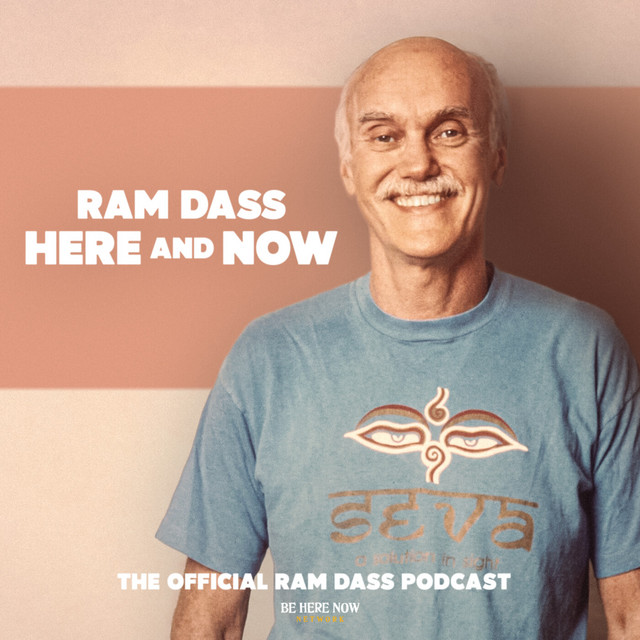
In this short teaching, Ram Dass addresses a fundamental question about meditation—what the act itself actually is. Drawing on decades of spiritual practice and teaching, he clarifies the distinction between meditation as an intentional act and the common misconception that it is about eliminating or controlling thought. The teaching offers practical clarity on what practitioners are actually doing when they sit to meditate, grounding the practice in accessible, direct understanding rather than abstraction.

読む · 6セクション

What Is Meditation, Actually?

Ram Dass begins by addressing one of the most common points of confusion for meditation practitioners: the nature of the act itself. Many people approach meditation with the assumption that it is primarily about achieving a particular mental state—usually one characterized by the absence of thought or a sense of deep calm. This expectation often leads to frustration when practitioners find their minds full of activity, which they then interpret as failure.

Ram Dass cuts through this confusion by offering a clearer definition. Meditation, in his framing, is not fundamentally about controlling or eliminating thoughts. Instead, it is an act of attention—a deliberate turning of awareness toward the present moment, toward the breath, toward a mantra, or toward bare awareness itself. The act of meditation is what happens when you make the choice to return your attention, again and again, to your anchor point, whether that anchor is the body, a phrase, or simply open awareness.

How Does Meditation Relate to Thinking?

One of the most liberating aspects of Ram Dass's teaching here is his treatment of the relationship between meditation and thought. Rather than positioning thoughts as obstacles to be conquered, he reframes them as part of the natural texture of the mind. The point is not to prevent thoughts from arising—they will arise naturally, because the mind thinks. The point is what you do when you notice that your attention has drifted into thought.

This is where the actual practice happens: in the moment you recognize that your mind has wandered and you gently return your attention to your chosen focus. That return is the meditation. It is not a failure; it is the work itself. Each return strengthens the capacity for attention and presence. Over time, as practitioners become more familiar with this cycle of noticing and returning, they often experience periods where the mind naturally settles—not because they have suppressed thought, but because attention has become more stable and the mind has less reason to chase distraction.

Why Does This Distinction Matter?

The clarity Ram Dass offers here addresses a source of discouragement for many new practitioners. When someone sits down to meditate expecting their mind to be blank and instead finds a parade of thoughts, doubts, plans, and memories, they often conclude that they are "bad at meditation" or that meditation is not working for them. This misunderstanding can lead people to abandon the practice before it has a chance to develop.

By redefining meditation as the act of returning attention rather than as the achievement of a particular state, Ram Dass removes the goalpost that was never in the right place. The practice becomes immediately available and immediately successful. Whether you meditate for two minutes or twenty, if you notice your mind has wandered and you return, you have meditated. The practice is in the returning, not in the arrival at some static condition.

The Simplicity and Depth of the Act

There is both simplicity and profound depth in what Ram Dass describes. On the surface level, meditation is a straightforward act: sit, choose a focus, notice when attention drifts, return to the focus. A child can understand this. Yet this simple act, repeated over time, opens into the deeper dimensions of practice that spiritual traditions have always pointed toward—the possibility of freedom from automatic reactivity, the development of equanimity, and the direct realization of one's true nature.

The act of returning attention is not separate from these deeper fruits. It is the direct path to them. Each return is a small act of freedom—a moment in which you choose where your awareness goes rather than being swept along by habit and association. These moments accumulate. They train the mind in a new way of being.

Meditation as a Practical Discipline

Understanding meditation as an act rather than as a state also helps practitioners engage with the discipline of practice more realistically and sustainably. If meditation were defined by the achievement of particular experiences—peace, clarity, bliss—then success would be unpredictable and dependent on factors beyond direct control. But if meditation is defined as the practice of returning attention, then it is something you can do reliably, regardless of circumstances or mood.

This is why traditional teachings emphasize showing up regularly and engaging in the act of practice, rather than chasing experiences. The consistency of practice is what matters. What you experience from day to day is secondary. Over time, consistent practice does typically lead to shifts in consciousness, but these arise as natural consequences of the practice itself, not as rewards for doing it correctly.

Where to Go from Here

If you are new to meditation, you now have permission to approach the practice without the burden of unrealistic expectations. Sit down, choose a focus—your breath is perfectly sufficient—and when your mind wanders, notice it without judgment and return. That is the practice. If you do this, you are meditating.

If you have been meditating but have felt discouraged by the activity of your mind, Ram Dass's reframing offers a reset. The thoughts you keep noticing are not a sign that something is wrong. They are an opportunity to practice the core act—the act of conscious choice about where your attention goes. This is the real training. As you deepen your practice, you may explore different techniques or teachings, but they all rest on this foundation: the deliberate, repeated act of bringing attention back to where you have chosen it to be.
Be Here Now Network
著者Be Here Now Network

Be Here Now Network is the creator of Heart Wisdom with Jack Kornfield, a podcast exploring consciousness, spirituality, and personal transformation. With 313 episodes, they have c…

プロフィールを見るウェブサイト
トピックを見る
Meditation-practiceAttention-awarenessThoughts-mindBeginner-meditationSpiritual-practice

ご質問はありますか?

よくある質問

No. According to the teaching, meditation is not about eliminating thoughts but about the act of noticing when your mind has wandered and returning your attention to your chosen focus. Thoughts naturally arise—the practice is in the returning, not in preventing thoughts from occurring.
You are meditating correctly if you are engaging in the act of returning your attention to your focus point—whether that is the breath, a mantra, or simple awareness. Each time you notice your mind has drifted and gently bring it back, you are practicing successfully. There is no perfect meditation state to achieve.
You can focus on anything—the natural rhythm of your breath is a traditional and readily available anchor. You can also use a mantra, visualize, or rest in open awareness. The specific anchor matters less than your commitment to returning to it whenever you notice attention has shifted elsewhere.
The mind is designed to think, so wandering is not a failure—it is the normal functioning of the mind. Understanding meditation as the act of returning (not the absence of distraction) helps remove the frustration. Each return is actually the core practice; you are not failing, you are practicing.
Benefits can begin to emerge fairly quickly with consistent practice, though deeper shifts typically develop over weeks and months of regular engagement. The most reliable benefit is learning to choose where your attention goes, which you can experience in any single meditation session.
No. Meditation is defined by the act of returning attention, not by the experiences that arise. While peaceful or clear states may come naturally over time, the practice itself does not depend on them. Showing up and engaging the discipline of attention is what constitutes successful meditation.

読みつづける

More from Be

すべて表示
The Chain of Reactivity: Why We Chase Temporary Relief
Featured

The Chain of Reactivity: Why We Chase Temporary Relief

Addiction isn't evil—it's a misguided attempt to return home. Understanding the chain of reactivity that fuels craving reveals a compassiona…

1 min read
Finding Your Calling: Divine Purpose and Human Life
Featured

Finding Your Calling: Divine Purpose and Human Life

Ram Dass explores how to discern your true purpose by resting in "I am"—the place where divine awareness meets human participation.…

1 min read
Stories as Medicine: How Compassion Heals Division and Builds Connection
Featured

Stories as Medicine: How Compassion Heals Division and Builds Connection

In this profound exploration of human connection, renowned spiritual teacher Jack Kornfield reveals how stories serve as medicine for our di…

1 min read
Walking the Tightrope: How to Serve Both Heaven and Earth Without Losing Your Balance
Featured

Walking the Tightrope: How to Serve Both Heaven and Earth Without Losing Your Balance

Ram Dass reveals the spiritual challenge of our time: staying connected to divine consciousness while remaining present to human suffering a…

1 min read

探索を続ける

旅をつづける

BrightStarのディレクトリから、さらなる智慧と集いを。

もっと記事を読む

教え、インタビュー、ガイドのライブラリ全体をご覧ください。

すべての記事に戻る →

講師とアーティスト

コンシャスな世界の系譜、音楽家、導き手を探しましょう。

アーティストを探す →

イベントを見つける

キルタン、リトリート、サウンドバス、ブレスワーク、フェスティバル — まもなく開かれます。

イベントを見る →