EveryEvent San Diego

Alle Events durchsuchen

Find every event in San Diego

events

Concerts & Live Music
Festivals
Sports & Recreation
Food & Drink
Arts & Culture
Community
Family & Kids
Nightlife
Comedy
Theater
Beliebte Reiseziele
BaliSedonaLos AngelesCosta RicaNew YorkSan FranciscoAustinMiamiJoshua TreeTulum
Alle Kategorien anzeigenAlle Reiseziele anzeigen

Alle Funktionen entdecken

Leistungsstarke Tools für Ihre Veranstaltungen

Plattform-Funktionen

Intelligente dynamische Preisgestaltung
Ticket-Kategorien
Sitzplatzreservierung
Warenkorbabbruch-Wiederherstellung
Besucher-Wiedergewinnung
Spenden & Staffelpreise
Affiliate-System
Ticket-Scanner
Rabattcodes
Individuelle Fragen
Ticket-Teilen
Upsells & Extras
Analysen & Berichte
E-Mail-Sequenzen
Warteliste / Benachrichtigen / Erinnern
Entdecken
Discovery HubArtists & PerformersVenuesKnowledge Base
Alle Funktionen anzeigenÜber uns
PreiseBlog
Language
Saved events
Alle Veranstaltungen durchsuchen

events

Concerts & Live MusicFestivalsSports & RecreationFood & DrinkArts & CultureCommunityFamily & KidsNightlife

Beliebte Reiseziele

BaliSedonaLos AngelesCosta RicaNew YorkSan Francisco

Entdecken

Discovery HubArtists & PerformersVenuesKnowledge Base

Plattform-Funktionen

Intelligente dynamische PreisgestaltungTicket-KategorienSitzplatzreservierungWarenkorbabbruch-WiederherstellungBesucher-WiedergewinnungSpenden & StaffelpreiseAffiliate-SystemTicket-ScannerRabattcodesIndividuelle FragenTicket-TeilenUpsells & ExtrasAnalysen & BerichteE-Mail-SequenzenWarteliste / Benachrichtigen / Erinnern
Alle Funktionen anzeigenÜber uns
PreiseBlog
AnmeldenRegistrierenVeranstalter
  • Browse All Events
  • Concerts & Live Music
  • Festivals
  • Sports & Recreation
  • Food & Drink
  • Arts & Culture
  • Community
  • Family & Kids
  • Nightlife
  • Alle Kategorien →
  • Los Angeles
  • Tijuana
  • Palm Springs
  • Joshua Tree
  • Temecula
  • All Destinations →
  • For Promoters
  • For Artists
  • For Venues
  • For Festivals
  • For Event Spaces
  • For Nonprofits
  • For Bloggers
  • For Speakers
  • Brand Ambassador
  • Case Studies
  • 350.000+ Käufernetzwerk
  • Warenkorbabbruch-Wiederherstellung
  • Intelligente dynamische Preisgestaltung
  • Ticket-Kategorien
  • Wiederkehrende Veranstaltungen
  • Sitzplatzreservierung
  • Affiliate-System
  • Warteliste / Benachrichtigen
  • Ticket-Scanner
  • Einbettungs-Widget
  • Event-Syndication
  • Nachrichten
  • Integrationen
  • Berichte
  • Alle Funktionen →
  • Über uns
  • Das Ökosystem
  • Blog
  • Glossar
  • Inspiration
  • Hilfe-Center
  • Kontakt
  • API-Dokumentation
  • Marken-Assets
  • Karriere
  • Presse
  • Nutzungsbedingungen
  • Datenschutzrichtlinie

Events

  • Browse All Events
  • Concerts & Live Music
  • Festivals
  • Sports & Recreation
  • Food & Drink
  • Arts & Culture
  • Community
  • Family & Kids
  • Nightlife
  • Alle Kategorien →

Getaways

  • Los Angeles
  • Tijuana
  • Palm Springs
  • Joshua Tree
  • Temecula
  • All Destinations →

For Organizers

  • For Promoters
  • For Artists
  • For Venues
  • For Festivals
  • For Event Spaces
  • For Nonprofits
  • For Bloggers
  • For Speakers
  • Brand Ambassador
  • Case Studies

Funktionen

  • 350.000+ Käufernetzwerk
  • Warenkorbabbruch-Wiederherstellung
  • Intelligente dynamische Preisgestaltung
  • Ticket-Kategorien
  • Wiederkehrende Veranstaltungen
  • Sitzplatzreservierung
  • Affiliate-System
  • Warteliste / Benachrichtigen
  • Ticket-Scanner
  • Einbettungs-Widget
  • Event-Syndication
  • Nachrichten
  • Integrationen
  • Berichte
  • Alle Funktionen →

Unternehmen

  • Über uns
  • Das Ökosystem
  • Blog
  • Glossar
  • Inspiration
  • Hilfe-Center
  • Kontakt
  • API-Dokumentation
  • Marken-Assets
  • Karriere
  • Presse
  • Nutzungsbedingungen
  • Datenschutzrichtlinie
EveryEvent
© 2026 EveryEvent San Diego. Alle Rechte vorbehalten.
Inspiration

Loneliness vs. Solitude:Finding Presence Alone

Eckhart Tolle
Eckhart Tolle
Jan 2, 2018
8 Min. Lesezeit
Ansehen · 8

Loneliness is the mind's resistance to aloneness; solitude arises when you fully accept your alone state and become rooted in present-moment awareness. Eckhart Tolle distinguishes between needing connection at the level of form (your human body and social nature) and your essential being, which is already complete. He shares his own experience of years spent in near-total inactivity, supported by temporary work, and explains how the balance between "human" and "being"—doing and presence—eventually restored itself when people began seeking him out. Rather than viewing loneliness as a problem to escape, Tolle suggests that accepting aloneness and cultivating presence transforms it into a profound, non-needy solitude.

Lesen · 6 Abschnitte

What Is the Difference Between Loneliness and Solitude?

One questioner describes two years of solo travel, loneliness, device-scrolling (Facebook), a "pain body" arrival, and a sense that the world and other people seem robotic. This is classic loneliness—a suffering state in which the absence of connection feels like a lack. Tolle identifies the core shift: "Loneliness can be a great thing when it comes transformed through acceptance into solitude."

Solitude is not the absence of people. Solitude arises when you accept your aloneness completely and become so present that you experience your own presence as already whole. At that point, other needs (companionship, physical touch, conversation) may still exist at the level of form—your body and personality—but they no longer create suffering. You are aware of them as relative needs, not as proof of incompleteness.

Loneliness, by contrast, arises from the belief that you need something outside yourself to be complete. The pain body activates; the mind spirals into thoughts of inadequacy or rejection; the world flattens into a robotic, meaningless backdrop. This is suffering caused by resistance to what is, not by the actual state of being alone.

Why Does Aloneness Feel Incomplete at the Level of Form?

Tolle clarifies a crucial distinction: on the deepest level of your essential being, you are complete and need nothing. "When you become completely present and suddenly discover your own presence which does not need anything, is already complete." But on the level of form—body, personality, human needs—you continue to have pulls and desires. This is not a flaw; it is the nature of embodied existence.

He uses the metaphor of masculine and feminine polarity, or yin and yang, though he notes these operate on the level of opposites and form, not necessarily aligned with biological sex. The point is that at the human level, most beings experience a sense of needing something to feel more complete: companionship, creative partnership, touch, emotional resonance. This is normal.

The error occurs when you make this form-level incompleteness a measure of your true worth or wholeness. If you are rooted in your essence—aware of your presence, your being—then you can observe these pulls without being consumed by them. You can notice, "On the human level, I experience a desire for partnership," while simultaneously knowing, "On the level of being, I am already whole." Neither statement cancels the other. Both are true.

Can You Balance Being and Doing?

Tolle shares a personal history: for a couple of years, he did almost nothing. This was not a deliberate practice or technique for achieving enlightenment; it arose spontaneously because he was so deeply immersed in presence that the balance between "being" (essence) and "doing" (the human, form-based part of life) was lost. He loved it. The deliciousness of immersion in being was so consuming that even the question "What am I supposed to do with my life?" did not arise.

He took occasional temporary jobs—filling out forms at the Kennel Club in London, other odd work—just to survive. As soon as he had enough money, he would stop. The work itself was secondary to the fact that he was engaged in the bare minimum of human activity. Computers had not yet arrived; there was just "the work, and the bliss of being was so all-consuming."

Tolle emphasizes that he does not recommend inactivity as a path to presence. The balance restored itself only when people began approaching him with questions. The question pulled him out of pure being because an answer was required; but the answer came from being, so a new equilibrium emerged. He began to do something—teach, respond, engage—while remaining rooted in presence. The "human" and "being" came back into balance.

For the questioner, Tolle suggests that engagement in activity, work, or even relationship might serve better than attempted inactivity. "It is sometimes easier to engage in some activity and even engage in relationships and see if you can stay present there." The point is not whether you do or don't do, but whether you remain present and rooted in essence while doing or not-doing.

What Role Does Suffering Play in Motivation?

Tolle notes that the questioner's life may currently be "too easy." This is a perceptive and somewhat provocative observation: the motivation to awaken, to transcend suffering, often arises precisely when life becomes unbearable. The Buddha taught that his path was about "the end of suffering," not enlightenment or God-realization as abstract ideals. This framing attracted people who were already in enough pain to be motivated by the promise of freedom.

Tolle did not begin his journey with a name for what he was seeking; he was driven by profound suffering. "I had the motivation. I didn't even have a name for awakening." For the questioner, the suffering may not yet be acute enough to generate that intensity of presence required to cut through the mind's habitual patterns. This is not a problem. Life, he suggests, provides what you need.

If you continue as you are, the loneliness may intensify, and you may seek relationship. If you enter relationship, difficulties may arise, and those difficulties may eventually drive you to seek something deeper than comfort or companionship. Or the inactivity may deepen until life forces a change. In any case, "life always gives you what you need. It could well be that if you continue your life in this way... the suffering of the loneliness might drive you into a relationship and then something may go wrong in the relationship and then the relationship will become unbearable and then you will seek out another situation... and then suddenly you will want to be free of suffering and there you have the motivation."

This is not fatalism; it is trust in the organic unfolding of life. Suffering is not meant to be escaped but understood as a teaching tool, a call to look deeper.

How Does Presence Work When You Are Alone?

The core practice Tolle offers is this: wherever you are, can you maintain enough intensity of presence so that you are not drawn into mind for long periods? Can you rest as consciousness rather than as the person, the identity, the story? When you are alone, this becomes a clearer experiment: without external distraction, without the absorption of relationship or activity, can you simply be present?

He asks the questioner pointedly: "Are you motivated enough to have that intensity of presence?" This is the real question. Not whether you travel to India or Norway, not whether you have a relationship, not whether you work or rest—but whether you have the will, the flame, the hunger to be present to what is actually here now. Because if you do, loneliness ceases to be loneliness. It becomes the laboratory in which you discover that your presence, your being, your consciousness is complete.

The physical isolation, the robotic feeling of the world, the pain body arising—all of these are invitations to turn inward and ask: What am I, beneath the person? Can I feel my own being, my own presence, independent of what is happening around me? In that turning, the very aloneness that felt like lack becomes the doorway to solitude, to self-sufficiency, to real freedom.

Where to go from here

If you resonate with this teaching, the next step is to examine your own relationship to aloneness and activity. Notice whether you resist being alone (which creates loneliness) or whether you can accept it and, in that acceptance, discover solitude. Experiment with remaining present during ordinary activities—walking, eating, listening—and notice whether you can stay rooted in being while your human life continues. If loneliness is acute, you may also explore whether this is a teaching moment: What is loneliness asking me to understand about myself? Does the suffering point toward a depth in me that I have not yet tasted? Finally, consider the balance in your own life: Are you so lost in "doing" that you have forgotten "being"? Or so absorbed in seeking being that you are neglecting the human dimension—rest, play, connection, creativity? The path forward is often found in that tender middle ground.

Transcript

[0:00] I want to speak about like loneliness

[0:14] and anybody because since two years I'm

[0:18] traveling alone trying to like you like

[0:22] nothing

[0:29] right that's a good try and then accept

[0:39] this nothingness and then I spend time

[0:46] on devices on Facebook and then the

[0:49] paint body arrived and then sometime I

[0:53] see the world like if it doesn't exist

[0:54] and other people I'd like a robot so

[0:58] it's a lot of suffering and I don't know

[1:00] how to overcome this kind of figure so

[1:05] you've been traveling for a couple of

[1:08] years

[1:08] yeah and then I'm not following you

[1:12] because I went to Norway you're okay and

[1:18] you're not running out of money yet is

[1:23] the universe giving me what I need okay

[1:25] that's good that's a good sign

[1:28] but it's about like this connection with

[1:33] the world when I am yes you know you're

[1:38] not in a relationship

[1:39] at present and you haven't been for the

[1:42] past two years and the relationship has

[1:49] not arisen or do you on purpose

[1:53] avoid relation in entering relationship

[2:00] okay well whatever it is learning to be

[2:06] with yourself

[2:08] at ease with yourself

[2:16] loneliness can be a great thing when it

[2:21] comes transformed through acceptance

[2:24] into solitude solitude is only arises

[2:30] when you accept your aloneness become

[2:36] completely present and suddenly he sends

[2:43] your own presence which does not need

[2:46] anything is already complete which is

[2:50] not to say that at the level of your

[2:51] form

[2:52] there may not be a need for some company

[2:58] whether it's physical or emotional or

[3:01] mental or all together on the level of

[3:04] form you will continue to experience

[3:07] certain pulls and certain needs on the

[3:10] level of form if you are if you have no

[3:14] relationship you may feel that sense of

[3:18] needing something to complete you on the

[3:23] level of form to some extent that's not

[3:27] a problem if you are rooted in your

[3:30] essence you can be aware that on the

[3:34] level of form there still there are

[3:36] certain needs and these needs may be met

[3:40] at some point or right now they may not

[3:44] be met and that no longer matters that

[3:49] much it is only of relative importance

[3:52] whether you have a relationship or you

[3:55] don't have a relationship on the deepest

[3:57] level you don't need it on a slightly up

[4:01] on a form level you're not complete

[4:05] there's masculine there's that the

[4:08] polarities of yin and yang not

[4:10] necessarily always related to the

[4:12] biological masculine feminine but you

[4:15] are either if you're in you need some

[4:17] yang

[4:18] more yang you need some yen on the and

[4:21] that's that operates on the level of

[4:23] opposites and a form

[4:35] it may be advisable for you to engage in

[4:39] some kind of activity so that you can

[4:44] not only practice presence while doing

[4:49] nothing because it was never my decision

[4:53] when it happened to me it was not my

[4:57] decision to do nothing for a couple of

[5:00] years or so by the way I'm still good at

[5:04] doing nothing but but it wasn't my

[5:08] decision to do nothing in order to

[5:11] achieve some state the doing nothing

[5:14] arose because already I was so deeply

[5:20] immersed in presence that I had lost the

[5:25] balance as a human being I had lost the

[5:28] balance between human and being because

[5:32] that I love that word human being the

[5:34] English language doesn't have a word for

[5:36] man and woman like German has meant

[5:39] which is good is the word for human

[5:42] being but in English we have to use two

[5:45] words but there's the human part of you

[5:48] that's the form

[5:49] there's the being you of you that's the

[5:52] essence

[5:53] altom utley everybody needs to be in

[5:56] some kind of balance between those two I

[6:01] was immersed in being so deeply that I

[6:05] lost the balance I wasn't unhappy about

[6:08] that at all but I lost the balance

[6:11] between the human the human became so

[6:14] unimportant to me that I didn't do

[6:17] anything to even and you what am I

[6:21] supposed to do with my life even that

[6:22] didn't arise that thought it was so

[6:26] delicious delightful to be immersed in

[6:30] being and that's how the this period of

[6:34] complete not not complete there was some

[6:37] activity because I had to occasionally

[6:40] get little jobs to survive and

[6:42] occasionally people gave me money but I

[6:45] did have temporary jobs

[6:47] to survive so that I was forced

[6:49] occasionally to come out a little bit

[6:51] out of the beam

[6:52] but I didn't last in any job for very

[6:54] long the moment I had enough money I

[6:56] would stop again so I got temporary jobs

[7:01] in various places for two weeks I worked

[7:04] at the Kennel Club in London filling out

[7:07] forms of puppies that it has been born

[7:09] of different jobs they fortunately they

[7:14] had no computers at that time yet

[7:16] because they'd just been put up is

[7:17] beyond me

[7:18] so there was just that the work the

[7:24] bliss of being was so so all-consuming

[7:28] that the balance between the human and

[7:31] the being was lost and then it only

[7:33] began again to re-establish itself when

[7:37] people started coming to me and asking

[7:40] me questions and the question pulled me

[7:43] out of the being because an answer was

[7:45] required but the answer came from the

[7:47] being so when I started answering

[7:50] questions suddenly there was a flow and

[7:53] the answering of questions became my

[7:56] doing so that's how the balance got

[8:02] reestablished slowly I would not

[8:06] necessarily seek inactivity as a way of

[8:12] achieving some kind of presence it is

[8:18] sometimes easier to engage in some

[8:22] activity and even engage in

[8:25] relationships and and see if you can

[8:28] stay present there but but it all comes

[8:32] back to really the present moment

[8:34] whatever it is wherever you are wherever

[8:36] you are

[8:38] is there enough intensity in you not to

[8:48] be drawn into mind

[8:54] for long periods of time is there enough

[8:58] intensity in you to stay present in that

[9:02] state of aloneness so that you can be

[9:07] the consciousness rather than the person

[9:12] you are the consciousness and you it it

[9:17] could be a great opportunity that you're

[9:19] able to do that to just travel and

[9:23] explore but you already went to India

[9:28] and so you did not seek you did not find

[9:32] what you were seeking perhaps and then

[9:36] you came to a card and there you did not

[9:40] find what you were seeking perhaps and

[9:43] the only place where you can find what

[9:46] you're seeking it is within you in the

[9:49] present moment doesn't matter where you

[9:52] are so

[9:59] intensity of presence is important to

[10:04] cut through mind are you motivated

[10:09] enough to have that intensity of

[10:13] presence and it could well be that

[10:17] there's not enough suffering in your

[10:19] life to provide the motivation so that

[10:24] is a possibility but that's not a

[10:27] problem because it'll come

[10:33] [Applause]

[10:39] my sense is that right now it's just too

[10:44] easy for you it's too easy so the the

[10:49] suffering is I mentioned before the the

[10:53] best motivation for liberation is the

[10:57] desire to escape from suffering or

[11:00] realizing the possibility that is

[11:02] possible to be free of suffering and

[11:05] that's why the Buddha chose that term to

[11:09] describe his teaching which is very very

[11:14] wise

[11:16] what's my teaching about the Buddha said

[11:19] I'll tell you what it is about it's not

[11:24] about enlightenment it's not about

[11:26] achieving God realization it's not about

[11:31] that

[11:31] he's the end of suffering so it seems

[11:38] that he attracted mostly people who were

[11:41] at that stage where that meant something

[11:44] to them I don't know if you are at that

[11:48] stage where the end of suffering means

[11:51] enough to you to provide the intensity

[11:56] for wakening I was suffering there was

[12:01] the motivation I didn't have even have a

[12:03] name for awakening the wonderful news

[12:09] though is life always gives you what you

[12:13] need and it could well be that if you

[12:17] continue your life in this way the way

[12:20] in which you live will create more and

[12:24] more suffering perhaps the loneliest

[12:27] will become unbearable

[12:28] and so and then the suffering of the

[12:31] loneliness might drive you into a

[12:33] relationship and then something may go

[12:35] wrong in the relationship and then the

[12:37] real

[12:39] then the relationship will become

[12:42] unbearable and then you will seek out

[12:47] another situation and something will go

[12:49] wrong there and then that will become

[12:52] unbearable and then suddenly you will

[12:55] want to be free of suffering and there

[12:59] you have the motivation so whether you

[13:01] carry on the way you are now fine life

[13:05] will gives you what will be what you

[13:06] need or if you think okay I'll try a

[13:08] relationship great - you will find the

[13:12] necessary suffering to get you there

[13:22] [Music]

[13:31] you

[13:32] [Music]

Eckhart Tolle
AutorEckhart Tolle

German-born spiritual teacher whose 1997 book The Power of Now became one of the most widely read spiritual works of the 21st century. After a profound transformation at 29 — movin…

Profil ansehenWebsite
Themen erkunden
Loneliness-solitudePresence-awarenessAcceptanceAlonenessConsciousness

Hast du Fragen?

Häufig gestellte Fragen

Loneliness arises from resisting aloneness; it transforms into solitude when you fully accept your alone state and become present. Rather than fighting the feeling, Tolle teaches that accepting aloneness and discovering your own presence—which is already whole—shifts the experience from painful loneliness to profound solitude.
At the deepest level of being, you are already complete and need nothing. At the human level of form, you may experience natural pulls toward connection, which is normal. The key is being rooted in your essential being while acknowledging these form-level needs without letting them define your wholeness.
Tolle cautions against viewing inactivity as a technique for enlightenment. He shares that his own years of doing almost nothing arose spontaneously from deep immersion in presence, not as a deliberate practice. For most people, it is easier to cultivate presence while engaged in activity or relationships, staying present throughout.
Travel and external seeking (India, Norway, etc.) will not resolve the feeling of disconnection. The only place where you can find what you're seeking is within yourself in the present moment. The key question is whether you have enough intensity of presence to cut through the mind and rest as consciousness, regardless of location.
Suffering is the primary motivator for awakening. When life becomes painful enough, the motivation to be free of suffering drives deeper inquiry and presence. Tolle suggests that if your current life feels too easy, life itself will provide the necessary suffering to catalyze real change if you remain open to its teachings.
The 'human' is the form—your body, personality, needs, activities, relationships. 'Being' is your essence, presence, consciousness. Most people lose balance by over-identifying with doing, forgetting presence; others become so immersed in presence that they neglect the human dimension. True balance allows you to be fully present while engaging authentically in human life.

Weiterlesen

More from Eckhart

Alle anzeigen
How Sitting Still Proves You're Already Awakening
Featured

How Sitting Still Proves You're Already Awakening

Most people can't sit quietly without discomfort, but if you can, you're already further along spiritually than you realize. Eckhart Tolle e…

1 min read
The Missing Piece: How Real Thinking Creates Real Results
Featured

The Missing Piece: How Real Thinking Creates Real Results

Most vision boards fail because people skip the actual thinking. Eckhart Tolle reveals the rhythm that unlocks insight and the two distinct …

1 min read
Taking Life Too Seriously: Why External Fixes Fail
Featured

Taking Life Too Seriously: Why External Fixes Fail

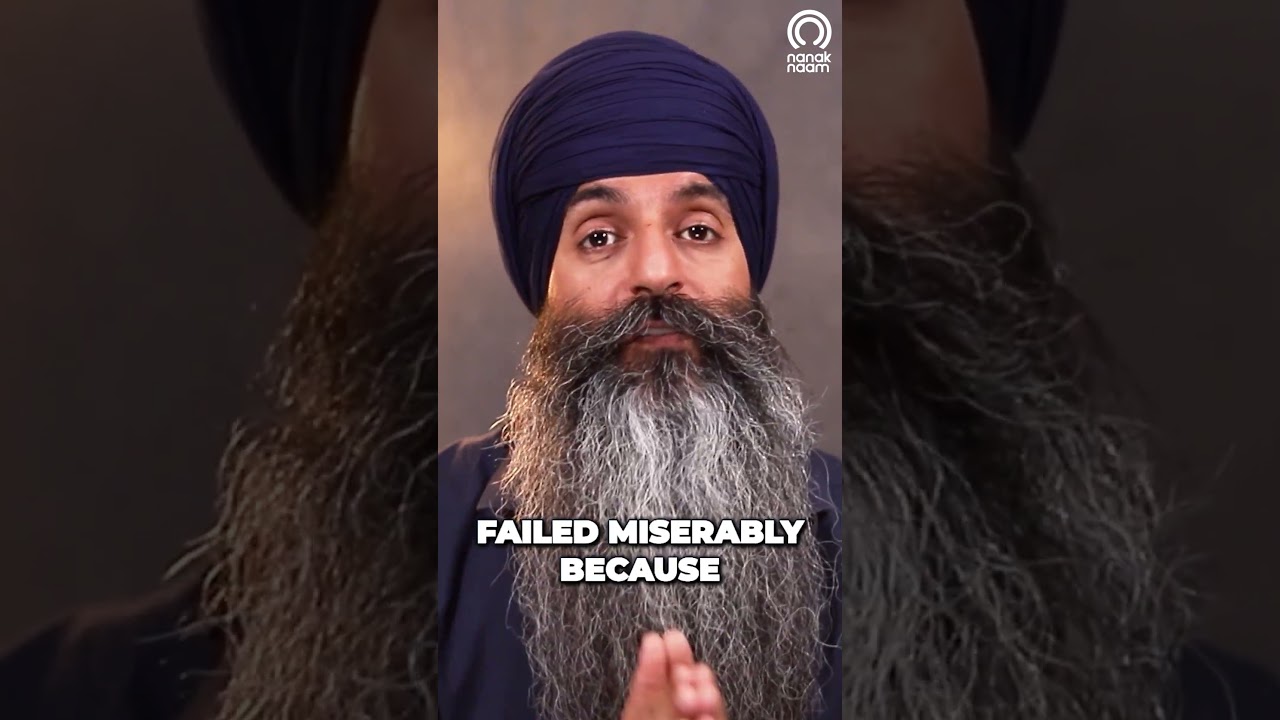
When you treat every problem as something to fix externally, you enter an unwinnable game. Gurmat teaches that inner mental state must come …

1 min read
Yemaya Reimagined: Ocean Goddess Chant Unites Voices
Featured

Yemaya Reimagined: Ocean Goddess Chant Unites Voices

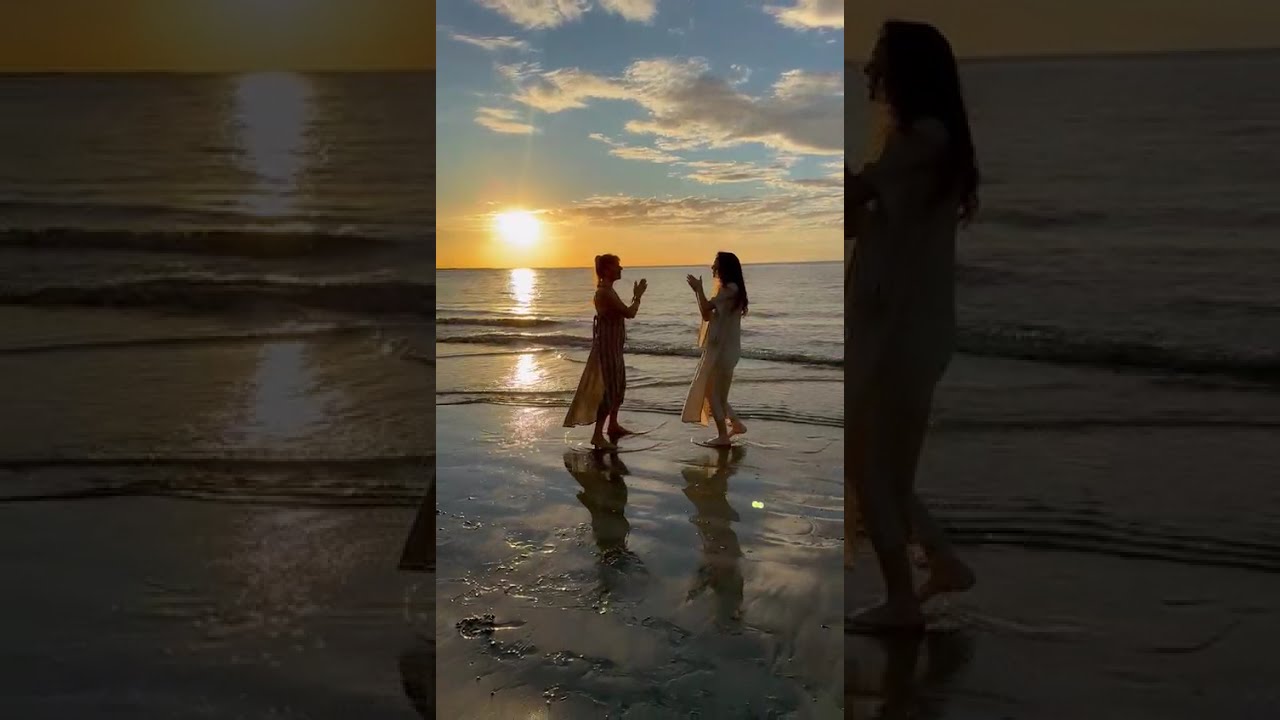
A new duet celebrating the Yoruba ocean goddess brings together two voices in a healing chant born from serendipitous meeting in Costa Rica.…

1 min read

Weiter erkunden

Setze deinen Weg fort

Mehr Weisheit und Zusammenkünfte aus dem BrightStar-Verzeichnis.

Mehr Artikel

Durchstöbere die ganze Bibliothek an Lehren, Interviews und Leitfäden.

Zu allen Artikeln →

Lehrer & Künstler

Entdecke die Linien, Musiker und Wegbegleiter der bewussten Welt.

Künstler erkunden →

Event finden

Kirtan, Retreats, Klangbäder, Atemarbeit, Festivals — bald in deiner Nähe.

Events ansehen →