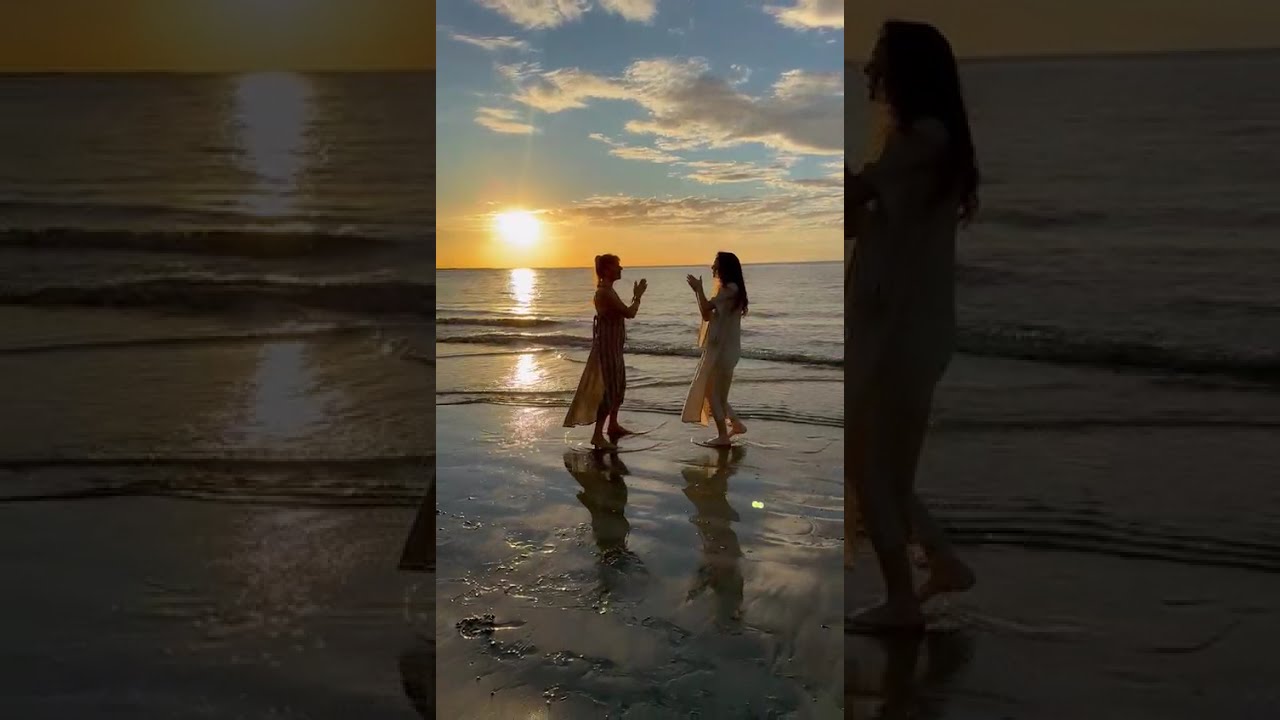
What Does "Polishing the Mirror" Mean in Spiritual Practice?
The central metaphor of "To Zion" is introduced around the 2:30 mark in the song's second major section: "I polish the mirror so we can see clearer / push back the clouds and reflect love." This image draws directly from Sufi and Hindu contemplative traditions where the mirror (or heart) becomes obscured by ego, desire, and confusion. Hall repeats this phrase throughout the song with increasing intensity, anchoring it as the core instruction.
The polishing of the mirror is not a passive meditation. It is active work — requiring effort to "push back the clouds" of mental obscuration. In Hall's rendering, this clearing is necessary so that love (which Hall treats as synonymous with clarity, truth, and unity) can be reflected. The mirror does not create love; it reveals it. This distinction matters. The song proposes that love and clarity are already present, but they remain invisible when consciousness is clouded by illusion, fear, or the sense of separation.
The repetition of this phrase across the song's final two minutes becomes almost mantra-like, suggesting that this polishing is an ongoing practice rather than a one-time achievement. Each iteration invites the listener to participate in the work of clarification.
How Does the Song Map Individual Growth to Collective Awakening?
Early in the song (around 0:35 to 0:50), Hall establishes a personal awakening: "up with the sunrise / breathe through the wind / charms open my eyes / as the images rush my mind." This is sensory waking — a literal and metaphorical opening to the world. The speaker is positioned as an observer receiving impressions from nature: water in the cove, stars aligning, unexpected blooming.
But the song does not remain focused on individual experience. By the second verse (0:91 onward), the pronouns shift. Hall moves from "I fly home" to "I am I, you are you, you are me, we are we / family on the road to unity." This grammatical turn is crucial. The song proposes that recognizing non-dual consciousness — understanding that the separation between self and other is illusory — is the natural outcome of polishing the mirror of perception.
The plant metaphor reinforces this progression: "plant the seed / watch it sprout / watch it go / watch your bloom / in sun and moon / we finally break through." The seed is individual potential or awakening. Its growth is individual work. But the blooming happens in relationship to the entire cosmos ("sun and moon"), and the breakthrough is collective ("we finally break through"). Hall's construction suggests that personal spiritual work is not selfish isolation but the necessary prerequisite for recognizing and embodying unity.
What Role Does Fire and Transformation Play in the Song?
Around the 0:96 mark, Hall introduces fire as a driving force: "fire, fire will be me / I'm up in flames / these melodies are telling me to see it all the same." Fire here is not destruction but transformation and purification. In yogic philosophy, fire (agni) is the force that burns away impurity and ignorance. Hall positions himself as fuel for this transformative fire, willing to be consumed by the intensity required for awakening.
The phrase "see it all the same" is significant. Fire burns everything without discrimination, reducing all to ash. Similarly, non-dual consciousness sees through the illusion of separation — it perceives all as one essence despite apparent multiplicity. Hall's lyrics suggest that the intensity of devotion and practice ("up in flames") naturally leads to this unified perception.
This fire is contrasted with water and ocean earlier in the song. Hall "swallows the ocean" and "drinks of it as potion," suggesting that dissolution into vastness is both intoxicating and necessary. Water dissolves boundaries just as fire consumes them. Both are transformative forces that dismantle the ego's sense of separateness.
Why Does the Song Emphasize "See It All the Same"?
The phrase "see it all the same" appears at 1:02 and becomes a throughline in the song's theological vision. To "see it all the same" is to perceive non-duality — the underlying unity beneath apparent multiplicity. This is not a denial of difference or color or form. Rather, it is the recognition that all forms arise from and dissolve into the same fundamental consciousness.
Hall's use of "these melodies are telling me to see it all the same" positions music itself as a direct transmission of this understanding. Sound, rhythm, and vibration bypass conceptual mind and speak to deeper layers of consciousness. The song becomes the teacher, not merely the vehicle for teaching. This aligns with mantra practice in Hindu and Buddhist traditions, where sound itself carries transformative power.
What Is the Spiritual Destination "Zion"?
The song's title "To Zion" invokes both biblical and reggae spiritual traditions. In Rastafarian usage, "Zion" refers to the promised land of consciousness, liberation, or return to source. It is not a physical destination but a state of consciousness — the recognition and embodiment of unity, love, and truth.
Throughout the song, Hall constructs a map to this state: awakening through sensory openness, recognizing universal interconnection, polishing the clarity of perception, and allowing the fire of devotion to burn away illusion. Zion is not promised as a reward external to the journey; the journey itself is the arrival. The polishing of the mirror, the blooming of the seed, the reaching through to unity consciousness — these are Zion. Hall's message is that spiritual destination is not distant or separate but is achieved through present practice and recognition.
How Does Repetition Function as a Spiritual Technology?
The final minutes of "To Zion" (from 2:30 onward) repeat the polishing-the-mirror verse approximately ten times with minimal variation. This is not aesthetic repetition for musical effect alone; it is mantra. In Hindu tantra and Buddhist practice, repetition of phrases, sounds, or visualizations creates neural and energetic grooves that gradually reprogram consciousness away from habitual patterns of ignorance toward patterns of clarity and awakening.
The repetition also invites participatory practice. A listener who knows the words can chant or sing along, literally embedding the instruction into their own body and breath. The song becomes a participatory ritual rather than passive consumption. Each iteration of "polish the mirror / so we can see clearer / push back the clouds / and reflect love" is an invitation to perform this clarification in real time.
The slight variations in the final verse ("hocus pocus" appears alongside "it's no hocus pocus," suggesting a playful acknowledgment that the practice might seem illusory until direct experience confirms its efficacy) add layers of meaning without breaking the meditative rhythm. This is sophisticated compositional work: the music is doing what the lyrics describe — it is polishing perception by returning again and again to the essential teaching.
Where to Go From Here
If the teachings embedded in "To Zion" resonate, consider exploring the philosophical traditions Hall draws from: Advaita Vedanta (non-dual consciousness), Sufi teachings on the polished heart, and reggae spirituality's emphasis on collective liberation. Listen to the song repeatedly as a meditation practice, experimenting with chanting the chorus. Study how metaphor functions in spiritual transmission — water, fire, mirrors, seeds, blooming — are not accidents but deliberate poetic technology designed to bypass conceptual mind and communicate directly with deeper intelligence. Finally, investigate whether Hall's claim that personal awakening naturally leads to recognition of universal unity holds in your own experience.
]]>