Embracing the Divine Within: The Call to Surrender
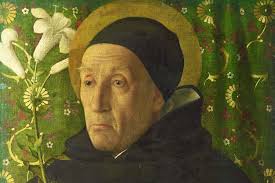
Meister Eckhart's profound statement, "God expects but one thing of you, and that is that you should come out of yourself in so far as you are a created being and let God be God in you," invites us into a deep exploration of surrender and divine presence. At its core, this quote challenges us to transcend our limited selves, allowing the divine essence to manifest within us. This call to surrender is not merely a passive act; it is an active engagement with the divine, a profound invitation to recognize and embrace the sacred within our being.
In a world often dominated by the ego's demands and the incessant noise of daily life, Eckhart's words resonate with a timeless urgency. They beckon us to step beyond our self-imposed boundaries and limitations, urging us to cultivate a space where the divine can flourish. This journey of surrender is not just about relinquishing control; it is about awakening to the truth of our interconnectedness with the divine and all creation. It is a reminder that our essence is not separate from God but rather a vessel through which divine love and wisdom can flow.
The image / the metaphor
The imagery in Eckhart's quote evokes a powerful sense of movement and transformation. The phrase "come out of yourself" suggests a dynamic process, one that requires us to step beyond the confines of our individual identities and ego-driven desires. The verbs chosen—"come out" and "let"—imply both an active choice and a yielding to a greater force. This duality captures the essence of spiritual surrender: it is both a letting go of the self and an invitation for the divine to take its rightful place within us.
Diving deeper into the metaphor, we can see that Eckhart is not merely advocating for a passive acceptance of divine presence; he is calling for an active engagement with the divine reality that resides within us. The act of allowing God to be God in us suggests a profound trust in the divine wisdom that transcends our understanding. It is an invitation to recognize that our true nature is not defined by our thoughts, emotions, or circumstances, but rather by the divine spark that animates our being. This realization can lead to a transformative experience, where we become conduits of divine love and grace in the world.
In the speaker's tradition
Meister Eckhart's teachings are deeply rooted in the Christian mystical tradition, which emphasizes the inner experience of God and the transformative power of surrender. Concepts such as kenosis, or self-emptying, resonate strongly with Eckhart's call to come out of oneself. In this context, kenosis is not merely about relinquishing personal desires but about creating space for the divine to manifest fully. This aligns with the idea of sunyata in Buddhism, which speaks to the emptiness of the self and the potential for awakening to a greater reality.
In Eckhart's own writings, particularly in his German Sermons, we find echoes of the mystical union between the soul and God. He often refers to the "birth of the Word" within the soul, a metaphor for the divine presence that seeks to emerge through our surrender. This concept parallels the notion of bhakti in Hinduism, where devotion and surrender to the divine lead to a profound transformation of the self. By situating Eckhart's quote within this rich tapestry of spiritual thought, we can appreciate the universality of the call to surrender and the divine potential that lies within each of us.
Living the teaching
Consider a modern scenario where this teaching can take root: a person grappling with the pressures of work and personal expectations. In the midst of deadlines and responsibilities, the individual feels overwhelmed, caught in a cycle of stress and anxiety. By embracing Eckhart's invitation to come out of oneself, this person might begin to practice mindfulness, allowing moments of stillness to create space for divine presence. In these moments, they can surrender their worries and trust that a greater wisdom will guide them through their challenges, transforming their experience from one of struggle to one of grace.
In the realm of relationships, Eckhart's teaching can also illuminate the path to deeper connection. Imagine a couple facing conflict, each entrenched in their perspectives and desires. By embodying the principle of surrender, they can step back from their egos and allow the divine to guide their interactions. This might involve active listening, empathy, and a willingness to let go of the need to be right. In doing so, they create a space for love and understanding to flourish, allowing God to be God in their relationship, transforming it into a sacred partnership.
A reflection
As we contemplate Eckhart's profound invitation, we might ask ourselves: What does it mean for me to come out of myself and allow God to be God in me? This question invites us to explore the areas of our lives where we may be clinging to control or resisting the divine flow. In reflecting on this, we can begin to uncover the layers of our own ego and the ways in which we might open ourselves to a deeper experience of divine presence. Ultimately, this journey of surrender is not just a personal endeavor; it is a collective awakening to the divine reality that binds us all.


Join the BrightStar Community
Stay connected with daily inspiration, event announcements, and community wisdom