The Weight of Our Gifts
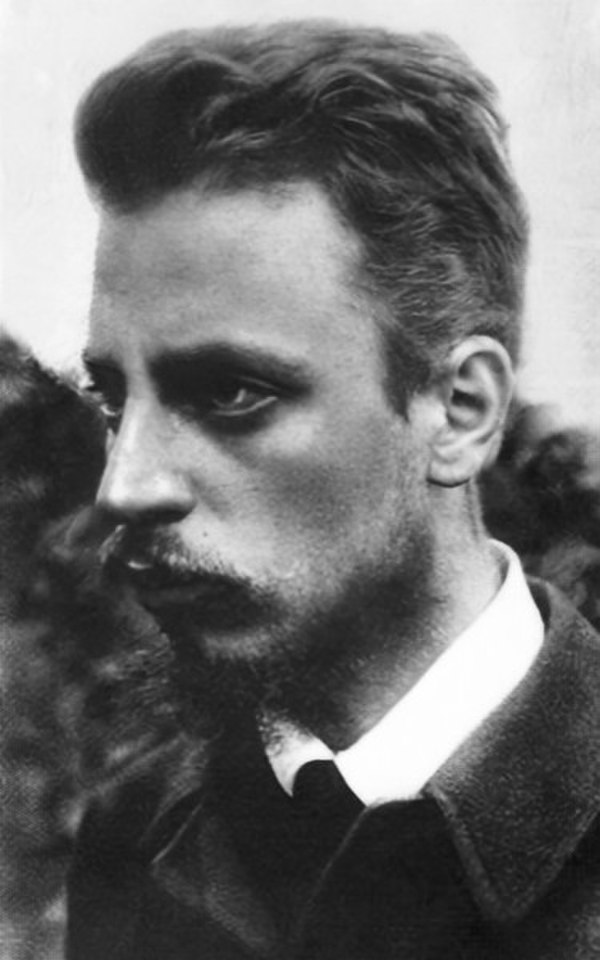
Rainer Maria Rilke's assertion, "Don't believe that your gift is a small thing," invites us to reconsider the intrinsic value of our unique contributions to the world. In a society that often measures worth through external achievements and accolades, this quote serves as a gentle reminder that every gift, no matter how seemingly insignificant, holds profound potential. The stakes are high; recognizing the value of our gifts can lead to a more authentic expression of self and a deeper connection to the world around us.
Rilke's words resonate deeply in a culture that frequently diminishes individual worth, urging us to embrace our unique talents and perspectives. This call to acknowledge our gifts is not merely an encouragement to self-affirmation but a profound invitation to engage with our vocation. When we understand that our contributions matter, we can cultivate a sense of purpose that transcends the mundane, allowing us to participate in the greater tapestry of life with confidence and grace.
The image / the metaphor
At first glance, Rilke's quote speaks to the notion of gifts as tangible offerings, yet it also evokes a deeper imagery of the soul's essence. The verb "believe" suggests an active engagement with our self-perception, urging us to challenge any internal narratives that minimize our worth. The phrase "small thing" contrasts the vastness of our potential with the often narrow view we hold of ourselves, inviting us to expand our understanding of what it means to contribute meaningfully to the world.
Diving deeper into the metaphor, we can see that Rilke is not merely addressing the act of giving but rather the inherent value of our existence. Each gift, regardless of its size, is a reflection of our unique journey and experiences. To dismiss our gifts as small is to overlook the intricate web of connections they create, the lives they touch, and the beauty they add to the world. In this light, Rilke's message becomes a call to honor our individuality and recognize the sacredness of our contributions.
In the speaker's tradition
Rainer Maria Rilke's work is steeped in the mysticism of the early 20th century, a time when the exploration of the inner self was gaining prominence. His understanding of gifts aligns with concepts such as dharma in Eastern traditions, which emphasizes the importance of fulfilling one's unique purpose in life. Just as dharma encourages individuals to embrace their roles within the cosmic order, Rilke urges us to recognize and celebrate our gifts as essential threads in the fabric of existence.
In his "Letters to a Young Poet," Rilke articulates the importance of solitude and introspection in discovering one's true calling. This echoes the idea of kenosis, or self-emptying, found in various spiritual traditions, where one must let go of preconceived notions of self to uncover the deeper essence of their being. By engaging in this process, we can better understand the significance of our gifts and how they serve not only ourselves but the greater whole.
Living the teaching
Consider a modern scenario where an artist grapples with self-doubt, questioning the value of their work. In moments of frustration, they may dismiss their creations as trivial, overlooking the emotional resonance their art brings to others. By embracing Rilke's teaching, this artist can begin to see their gift as a vital expression of their unique perspective, understanding that even the smallest piece of art can evoke profound feelings and inspire change in those who encounter it.
In relationships, the application of Rilke's wisdom can manifest in the way we acknowledge and appreciate the gifts of others. Imagine a friend who often downplays their kindness or support, believing it to be inconsequential. By affirming their contributions and reminding them of their worth, we not only uplift them but also cultivate a deeper bond rooted in mutual recognition of each other's gifts. This practice of acknowledgment can transform our interactions, fostering a community where every individual feels valued and empowered.
A reflection
As we contemplate Rilke's assertion, we are invited to reflect on our own gifts and the narratives we hold about them. What beliefs do we carry that diminish the value of our contributions? In what ways can we begin to honor our unique gifts and share them more fully with the world? Allowing ourselves to sit with these questions can lead to a deeper understanding of our vocation and the role we play in the interconnectedness of life.

Join the BrightStar Community
Stay connected with daily inspiration, event announcements, and community wisdom