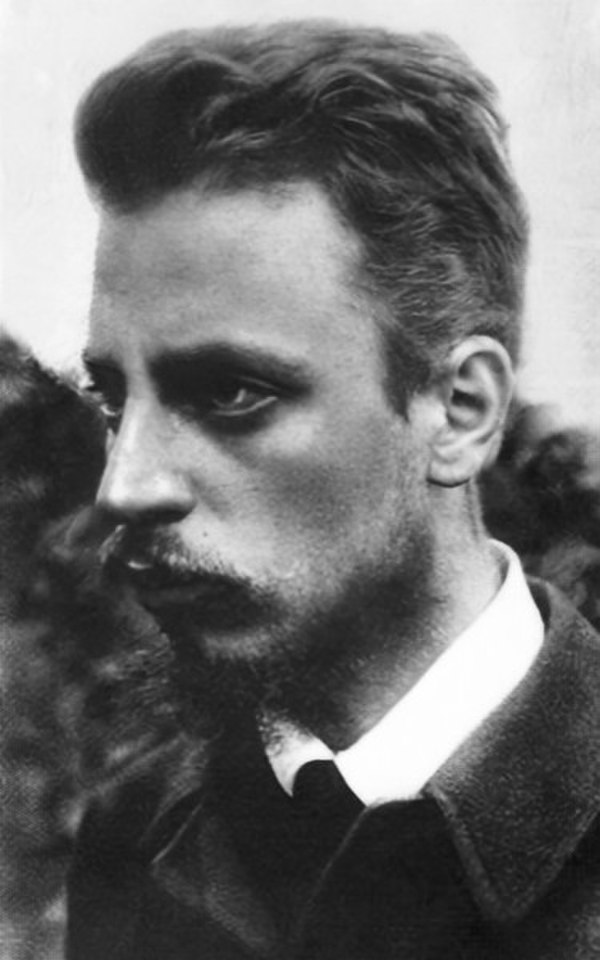
Embracing the Earth: A Love Beyond Seasons
In the poignant words of Rainer Maria Rilke, "Earth, my dearest, I will. Oh believe me, you no longer need your springtimes to win me over," we find a profound declaration of loyalty and love that transcends the ephemeral beauty of nature. This quote encapsulates a deep commitment to the Earth, suggesting that true connection does not rely on the cyclical charms of spring but rather on a steadfast devotion that endures through all seasons. Rilke's words invite us to consider the nature of our relationships with the world around us and challenge us to reflect on what it means to be truly devoted.
As we delve into Rilke's sentiment, we uncover layers of meaning that resonate with our contemporary experience. The notion that the Earth does not need to "win us over" speaks to a deeper understanding of love that is unconditional and unwavering. In a time when many seek validation through external beauty and transient experiences, Rilke's assertion encourages us to cultivate a relationship with the Earth that is rooted in loyalty and appreciation, regardless of the changing seasons. This perspective invites us to explore the essence of our connections, both with nature and with one another.
The image / the metaphor
Rilke's imagery is rich and evocative, conjuring a sense of intimacy with the Earth that is both personal and universal. The phrase "my dearest" establishes a close relationship, suggesting that the speaker views the Earth not merely as a backdrop for life but as a beloved companion. The verbs "will" and "believe" convey a sense of determination and faith, emphasizing a commitment that is active and resolute. This language evokes a felt sense of belonging and connection, as if the speaker is pledging allegiance to the very ground beneath their feet.
Diving deeper into the metaphor, we recognize that Rilke's declaration transcends the physical realm, inviting us to consider the emotional and spiritual dimensions of our relationship with the Earth. The idea that the Earth no longer needs to "win" the speaker over suggests a shift from a transactional view of love—where affection is earned through beauty or gifts—to one that is rooted in intrinsic value and loyalty. This metaphor encourages us to reflect on our own relationships, urging us to seek connections that are grounded in authenticity and unwavering commitment, rather than fleeting moments of beauty.
In the speaker's tradition
Rainer Maria Rilke's work is deeply embedded in the tradition of mysticism, where the exploration of love, existence, and the relationship between the self and the universe takes center stage. His poetry often reflects themes of kenosis, the self-emptying of one's own will to embrace a greater reality, and bhakti, the devotional love for the divine. In this context, Rilke's declaration of loyalty to the Earth can be seen as an expression of a mystical union with nature, where the self dissolves into a larger, interconnected whole.
In his "Duino Elegies," Rilke grapples with the complexities of existence and the longing for connection, echoing sentiments found in other mystical texts. For instance, the concept of sunyata in Buddhist philosophy speaks to the emptiness of self and the interconnectedness of all beings, paralleling Rilke's call for a love that transcends superficiality. By situating Rilke's words within this broader mystical framework, we can appreciate the depth of his commitment to the Earth as a reflection of a universal longing for belonging and unity.
Living the teaching
Consider a modern scenario where this teaching resonates: a person walking through a city park, feeling overwhelmed by the noise and chaos of urban life. In this moment, they might recall Rilke's words and recognize that their connection to the Earth does not depend on the picturesque beauty of a spring bloom but rather on the grounding presence of the soil beneath their feet. This realization can transform a mundane experience into a moment of profound connection, reminding them that love for the Earth is an enduring commitment that exists beyond the seasons.
In the realm of relationships, Rilke's teaching can also be applied to the dynamics we share with others. Imagine a friendship that has weathered storms and challenges, where the initial excitement has faded but the bond remains strong. Here, Rilke's assertion that the Earth does not need to "win us over" serves as a reminder that true loyalty and love are not contingent upon constant renewal or external validation. Instead, they thrive in the quiet moments of understanding and support, reinforcing the idea that lasting connections are built on a foundation of unwavering commitment.
A reflection
As we contemplate Rilke's profound declaration, we are invited to reflect on our own relationships with the Earth and with those around us. In what ways can we cultivate a love that is steadfast and unconditional, transcending the fleeting beauty of the moment? How might our lives change if we approached our connections with a sense of loyalty that endures through all seasons? These questions encourage us to explore the depth of our commitments and to embrace a love that is rooted in authenticity and presence.


Join the BrightStar Community
Stay connected with daily inspiration, event announcements, and community wisdom