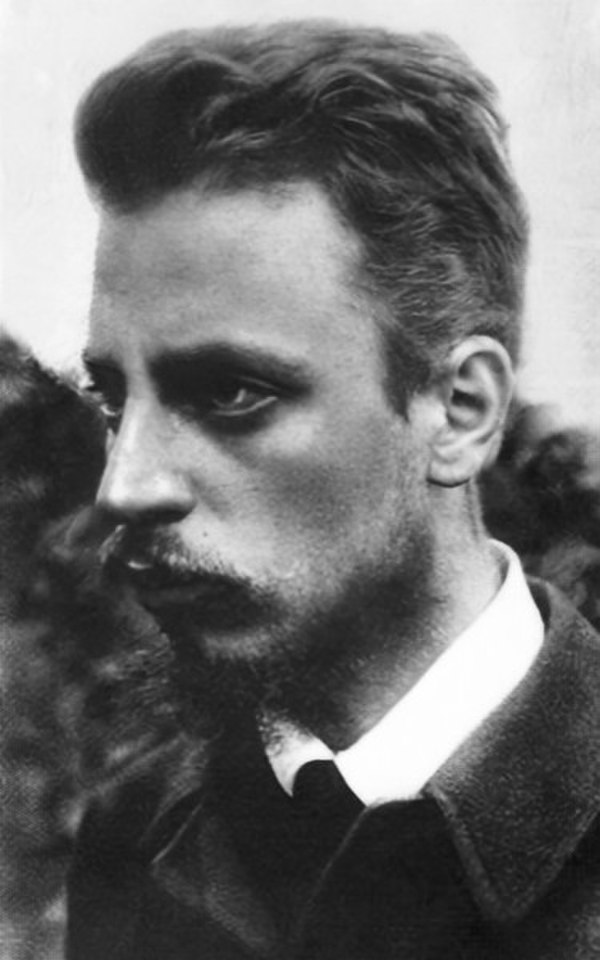
Embracing the Unresolved: A Journey into the Heart of Mystery
Rainer Maria Rilke invites us to cultivate a deep patience with the unresolved questions that dwell within our hearts, urging us to embrace these uncertainties as if they were enigmatic rooms or foreign texts waiting to be deciphered. This call to love the questions themselves is not merely an exercise in tolerance; it is a profound invitation to engage with the mysteries of our existence. In a world that often demands immediate answers and clarity, Rilke's words remind us of the beauty and necessity of living with ambiguity, suggesting that the journey through our questions may be as significant as any resolution we seek.
In a culture that prizes certainty and quick solutions, Rilke's plea resonates with a deeper truth about the human experience. The unresolved aspects of our lives—our fears, desires, and existential inquiries—are often dismissed or hurried past in the quest for closure. Yet, Rilke's perspective encourages us to pause, to linger in the discomfort of not knowing, and to find solace in the questions themselves. This approach not only fosters a richer inner life but also opens pathways to deeper understanding and connection with ourselves and the world around us.
The image / the metaphor
Rilke's metaphor of "locked rooms" and "books written in a very foreign language" evokes a sense of mystery and intrigue. The imagery suggests that our unresolved questions are not mere obstacles but rather hidden treasures waiting to be explored. The verbs "beg" and "try" convey a sense of earnestness and effort, highlighting that patience is not a passive state but an active engagement with our inner landscape. This invitation to love the questions implies a nurturing relationship with our uncertainties, transforming them from burdens into opportunities for growth and discovery.
Diving deeper into this metaphor, we can see that the "locked rooms" represent the parts of ourselves that we may fear to enter, while the "foreign language" symbolizes the complexity of our emotions and thoughts that often feel alien. Rilke's call to love these questions encourages us to approach them with curiosity rather than fear, suggesting that within these locked rooms lie the keys to understanding our true selves. By embracing the mystery, we allow ourselves to be transformed by the very questions that once seemed daunting, recognizing that the journey through uncertainty can lead to profound insights.
In the speaker's tradition
Rilke's perspective aligns closely with the mystic tradition, which often emphasizes the importance of embracing the unknown as a pathway to deeper spiritual understanding. Concepts such as kenosis, the self-emptying of one's own will to make space for divine presence, resonate with Rilke's call to patience and love for our unresolved questions. Similarly, the Buddhist notion of sunyata, or emptiness, invites us to recognize that our attachments to certainty can hinder our spiritual growth. In this light, Rilke's words serve as a reminder that the act of loving our questions is a form of spiritual practice that can lead us toward greater wisdom.
In Rilke's own writings, particularly in his "Letters to a Young Poet," we find echoes of this sentiment. He emphasizes the importance of solitude and introspection, urging the young poet to embrace the uncertainties of life as integral to the creative process. Just as a poet must wrestle with the complexities of language and emotion, so too must we engage with the unresolved questions in our hearts, allowing them to guide us toward deeper truths and insights.
Living the teaching
Consider a modern scenario where this teaching might resonate: a young professional grappling with a career choice that feels fraught with uncertainty. Instead of rushing to make a decision based on external pressures or societal expectations, Rilke's invitation encourages this individual to sit with the questions that arise—What do I truly want? What fears are guiding my choices? By allowing themselves the space to explore these questions without the immediate need for answers, they may discover insights that lead to a more authentic path forward.
In the realm of relationships, Rilke's teaching can also find profound application. Imagine a couple facing a significant conflict, where both partners feel a sense of unresolved tension. Instead of seeking to resolve the issue quickly, Rilke's wisdom suggests that they take the time to explore their feelings and the questions that arise from the conflict. By loving the questions—What is this conflict revealing about us? How can we grow from this experience?—they may find that the process of inquiry strengthens their bond and leads to a deeper understanding of each other.
A reflection
As we contemplate Rilke's invitation to embrace the unresolved questions in our hearts, we are called to reflect on our own relationship with uncertainty. What questions in your life remain unanswered, and how might you begin to love them as Rilke suggests? In this space of inquiry, we may find that the journey itself holds the potential for transformation, guiding us toward a deeper connection with ourselves and the mysteries of existence.



Join the BrightStar Community
Stay connected with daily inspiration, event announcements, and community wisdom