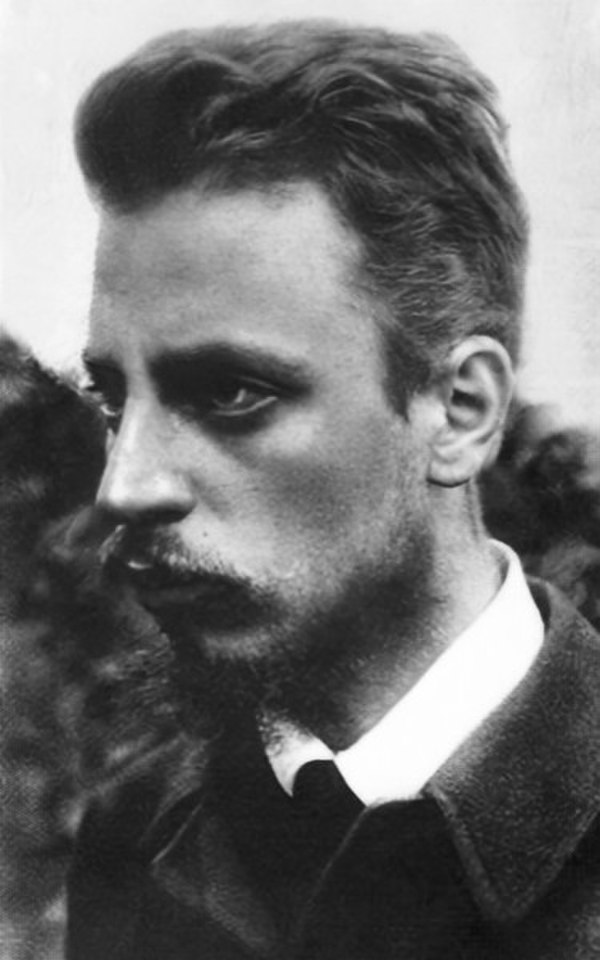
Embracing Solitude: The Heart of Rilke's Reflection
Rainer Maria Rilke's poignant observation, "Whoever has no house now will never have one. Whoever is alone will stay alone, will sit, read, write long letters through the evening, and wander on the boulevards," invites us to contemplate the nature of solitude and belonging. In this quote, Rilke suggests that the experiences we encounter in the present shape our future realities. The weight of this assertion lies in its exploration of existential themes—what it means to be alone, the longing for connection, and the inevitable passage of time that shapes our lives.
Rilke's words resonate deeply in a world that often equates solitude with loneliness, yet he offers a more nuanced understanding. Solitude, in this context, is not merely an absence of companionship but a profound state of being that can lead to self-discovery and creativity. The imagery of sitting, reading, and writing evokes a rich inner life, suggesting that solitude can be a fertile ground for reflection and artistic expression. This duality of solitude as both a source of pain and a wellspring of inspiration is central to Rilke's philosophy.
The image / the metaphor
At first glance, Rilke's quote paints a vivid picture of a solitary figure, perhaps a poet or thinker, immersed in the quietude of their own company. The verbs "sit," "read," "write," and "wander" evoke a sense of stillness and movement, suggesting a dynamic relationship with solitude. The imagery of boulevards conjures a sense of urban life, where the solitary individual navigates the world around them, yet remains untouched by the connections that others share. This contrast between the bustling environment and the inner stillness of the solitary figure encapsulates the essence of Rilke's meditation on loneliness.
Diving deeper into the metaphor, Rilke's assertion that "whoever is alone will stay alone" speaks to the idea of permanence in our emotional states. It suggests that our current experiences can solidify into our future realities, reinforcing the notion that solitude can become a habitual state if not actively engaged. The act of writing long letters symbolizes a yearning for connection, a desire to bridge the gap between isolation and intimacy. Thus, Rilke invites us to reflect on how we inhabit our solitude and whether we allow it to become a gateway to deeper understanding or a barrier to connection.
In the speaker's tradition
Rainer Maria Rilke's work is deeply rooted in the tradition of mysticism, where the exploration of the self often leads to profound insights about existence and the universe. Concepts such as kenosis—the idea of self-emptying to make room for the divine—echo throughout Rilke's poetry. In this light, solitude can be seen as a form of kenosis, where one relinquishes the noise of the external world to delve into the depths of the self. This journey inward aligns with the mystical pursuit of understanding one's true nature and the interconnectedness of all beings.
Rilke's reflections can be likened to the Buddhist concept of sunyata, or emptiness, which emphasizes the importance of letting go of attachments to experience true freedom. In both traditions, the embrace of solitude is not an end in itself but a means to a greater understanding of existence. Rilke's poetry often mirrors the contemplative practices found in various spiritual texts, where the act of being alone becomes a pathway to enlightenment and self-realization. His work encourages us to see solitude not as a void but as a space rich with potential for growth and transformation.
Living the teaching
Consider a modern scenario where an individual finds themselves in a bustling city, surrounded by people yet feeling profoundly alone. This person may spend their evenings in solitude, engaging in activities like reading or writing, echoing Rilke's imagery. In this context, the teaching becomes relevant as they navigate their feelings of isolation. Instead of succumbing to despair, they might choose to embrace their solitude as an opportunity for introspection and creativity, allowing their experiences to shape their future interactions and relationships.
In another application, imagine a couple facing a difficult moment in their relationship. One partner may feel the weight of loneliness despite being physically together, reflecting Rilke's assertion that being alone can persist even in companionship. This situation invites both partners to explore their inner worlds, fostering open communication and vulnerability. By acknowledging their individual experiences of solitude, they can cultivate a deeper connection, transforming their loneliness into a shared journey of understanding and intimacy.
A reflection
As we ponder Rilke's profound words, we are invited to reflect on our own relationship with solitude. Are we using our moments of aloneness as opportunities for growth, or do we allow them to deepen our sense of isolation? In what ways can we transform our solitude into a creative force that enriches our lives and our connections with others? These contemplative questions encourage us to embrace the complexities of solitude, recognizing it as both a challenge and a gift on our spiritual journey.



Join the BrightStar Community
Stay connected with daily inspiration, event announcements, and community wisdom