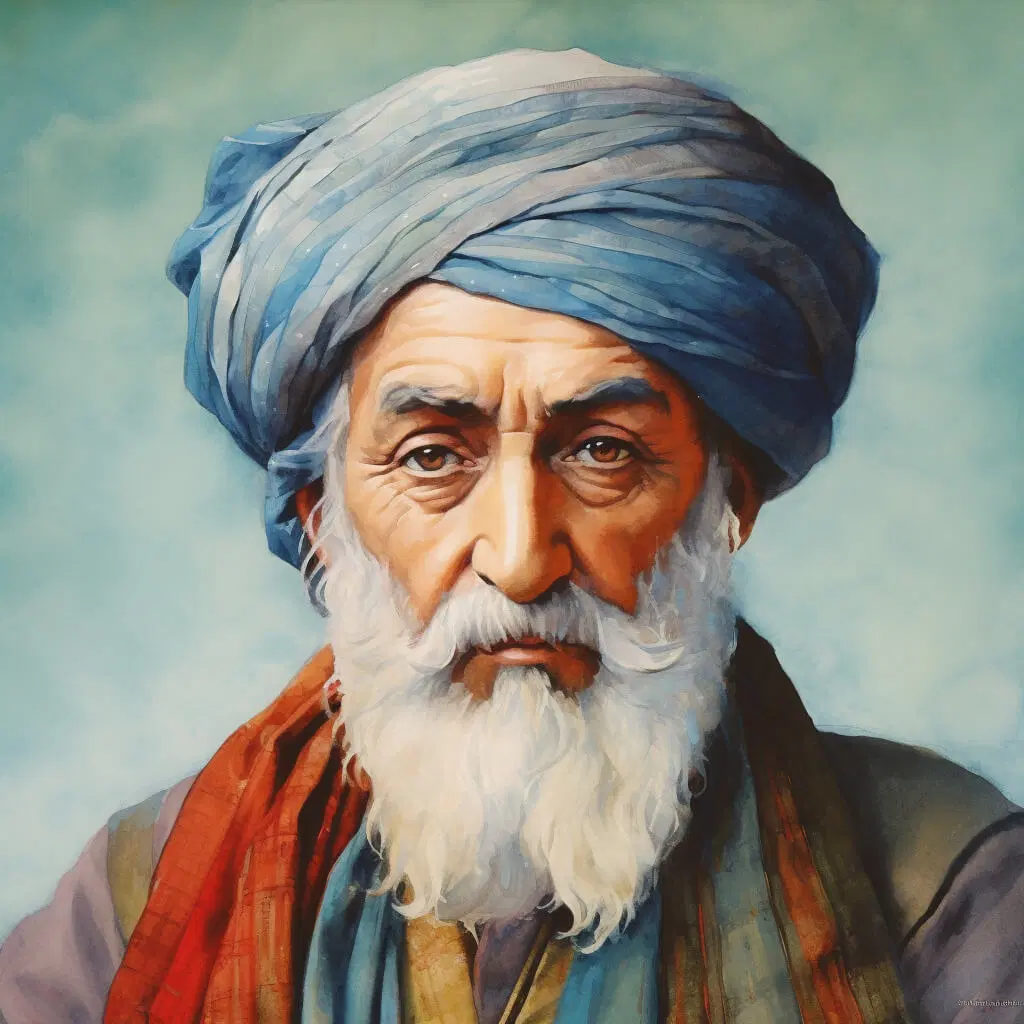
The Tangle of Love: Rumi's Insight into the Heart's Entanglement
Rumi's poignant observation, "Look at love. How it tangles with the one fallen in love," invites us to explore the intricate and often chaotic nature of love. This quote speaks to the profound connection that arises when one surrenders to love's embrace, revealing the complexities and mysteries that accompany such a deep emotional experience. In a world where love is often idealized or simplified, Rumi's words remind us that true love is a labyrinthine journey, filled with both beauty and challenge.
As we delve deeper into this quote, we uncover the layers of meaning that Rumi weaves through his poetry. Love, in its essence, is not merely a feeling but a transformative force that intertwines the lover and the beloved. This entanglement suggests a mutual influence, where each party shapes the other, leading to growth, vulnerability, and sometimes, turmoil. Rumi's insight encourages us to embrace this complexity, recognizing that love is as much about the journey as it is about the destination.
The image / the metaphor
At first glance, Rumi's imagery of love as a tangle evokes a sense of confusion and disorder. The verb "tangles" suggests a physical intertwining, where two entities become so enmeshed that they cannot be easily separated. This evokes the idea of love as a living entity, one that binds and connects in ways that are often unpredictable. The felt sense of this entanglement is one of intimacy and closeness, yet it also carries the weight of potential misunderstanding and conflict.
Diving deeper into the metaphor, we can see that this tangle represents the dual nature of love: it is both a source of joy and a catalyst for pain. The intertwining of lives can lead to moments of profound connection, but it can also expose vulnerabilities and insecurities. Rumi's choice of words invites us to reflect on how love challenges us to confront our own complexities and those of our partners, ultimately leading to a richer understanding of ourselves and our relationships.
In the speaker's tradition
Rumi's perspective on love is deeply rooted in Sufi philosophy, which emphasizes the transformative power of love as a path to spiritual enlightenment. Central to Sufism is the concept of "fana," or the annihilation of the self in the presence of the beloved. This idea resonates with Rumi's notion of entanglement, as falling in love often requires a surrendering of the ego, allowing for a deeper connection that transcends individual identity. In this way, love becomes a vehicle for spiritual growth, leading us toward a greater understanding of the divine.
Moreover, Rumi's exploration of love can be likened to the concept of "bhakti" found in various spiritual traditions, where devotion to the beloved leads to a profound transformation of the self. In his work, Rumi often draws parallels between earthly love and divine love, suggesting that the entanglement experienced in human relationships mirrors our relationship with the divine. This duality invites us to see love not just as a personal experience but as a universal force that connects us all.
Living the teaching
Consider a modern scenario where this teaching resonates: a couple navigating the complexities of their relationship. They may find themselves caught in a web of misunderstandings, where love feels both exhilarating and exhausting. In moments of conflict, Rumi's insight serves as a reminder that their entanglement is not merely a source of frustration but also an opportunity for growth. By embracing the tangled nature of their love, they can learn to communicate more openly and compassionately, ultimately deepening their bond.
In another application, think of a difficult moment in a friendship where misunderstandings have led to emotional distance. Rumi's words encourage us to recognize that love, even in its most challenging forms, is a powerful teacher. By leaning into the discomfort and seeking to understand the other person's perspective, we can unravel the knots of miscommunication and reconnect. This practice of vulnerability and openness can transform our relationships, allowing love to flourish even amidst the tangles.
A reflection
As we reflect on Rumi's profound insight, we are invited to consider the nature of our own entanglements in love. How do we navigate the complexities of our relationships, and what lessons can we draw from the tangles we encounter? In moments of confusion or conflict, how might we embrace the mystery of love as a transformative force in our lives? This contemplation can guide us toward a deeper understanding of ourselves and our connections with others.



Join the BrightStar Community
Stay connected with daily inspiration, event announcements, and community wisdom