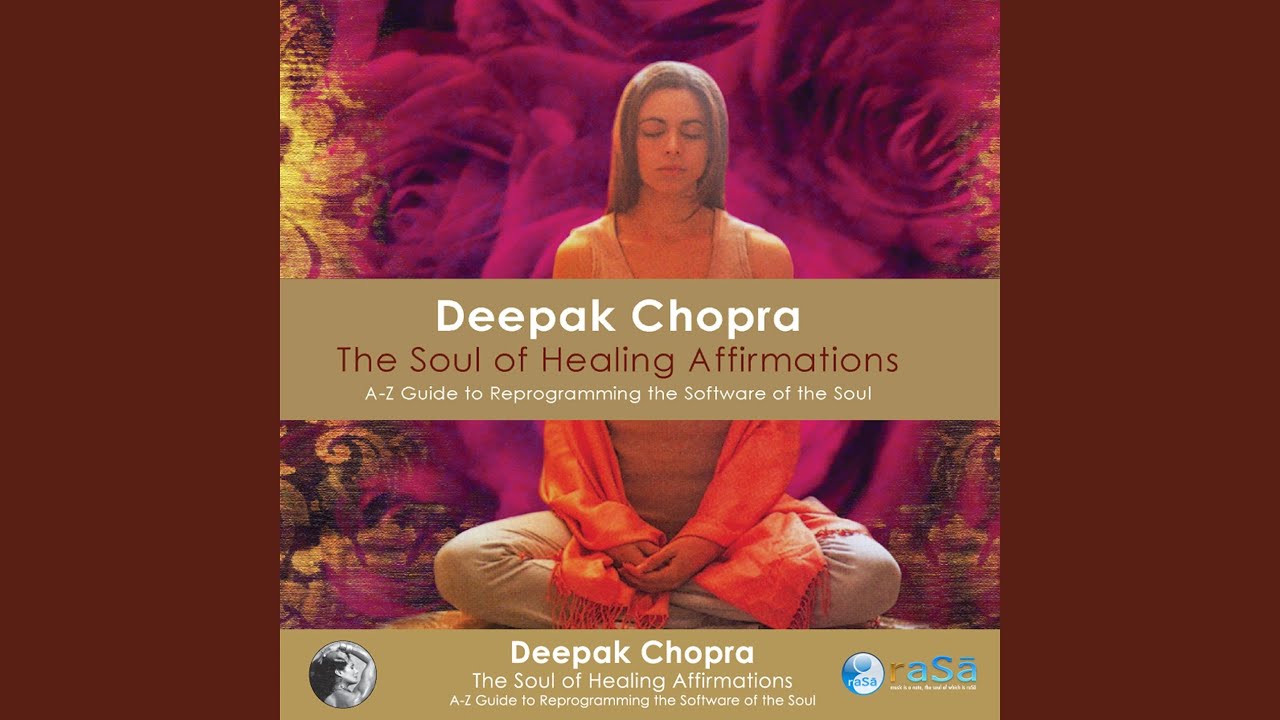
Deepak Chopra's "Heart Meditation" is a guided practice from his 2001 album The Soul Of Healing Meditations that directs attention to the physical and energetic heart as a pathway to emotional healing, stress reduction, and deeper self-awareness. The meditation leverages the heart's role in both physiology and consciousness to address imbalance, cultivate compassion, and reconnect practitioners with their authentic nature.
What Is Heart Meditation?
Heart meditation is a contemplative practice that focuses awareness on the heart center—both as a physical organ and as an energetic or spiritual nexus. Unlike breath-focused or body-scan meditations, heart meditation directly engages the cardiac region as the object of attention, inviting practitioners to observe sensations, emotions, and subtle energies that arise there.
In Deepak Chopra's framework, the heart is understood not merely as a muscular pump but as an intelligence center connected to intuition, emotional processing, and spiritual awakening. By directing conscious attention to this region, practitioners can access states of greater coherence, relaxation, and authenticity.
How Does the Heart Function in Meditation?
The heart performs multiple roles in contemplative practice. Physiologically, it generates a powerful electromagnetic field that can be measured and influences the nervous system. Emotionally, it processes and stores feelings—joy, grief, love, fear—that the mind may not fully acknowledge. Energetically, traditional systems place the heart chakra (Anahata) as a bridge between lower and upper energy centers, linking personal desire to universal consciousness.
When attention rests on the heart during meditation, several things may occur: the nervous system begins to shift from sympathetic (fight-or-flight) to parasympathetic (rest-and-digest) dominance; emotional blockages or held tension may surface for release; and a sense of coherence or "coming home" may emerge. This is why heart-centered practices are often recommended for stress reduction, grief processing, and emotional healing.
Why Focus on the Heart Rather Than Other Centers?
The heart occupies a unique position in human anatomy and consciousness. It is the only organ in the body that generates its own electrical signal independent of the brain—the cardiac autonomic nervous system operates semi-autonomously. Studies in psychophysiology have shown that coherent heart rhythm patterns correlate with improved emotional regulation, cognitive function, and immune health.
From a traditional medicine perspective—whether Ayurveda, Chinese medicine, or Yogic philosophy—the heart is the seat of ojas (vital essence), shen (spirit-mind), or higher consciousness. Practices that stabilize and purify this center are believed to radiate health and wisdom throughout the entire being. Additionally, focusing on the heart naturally invites compassion, both for oneself and others, which serves as an antidote to self-criticism and isolation.
What Happens During a Heart Meditation Session?
A typical heart meditation follows a gentle progression. The practice usually begins with settling the body and breath, allowing the nervous system to downregulate. Attention is then invited to the heart region—some practitioners sense a physical presence or warmth there, while others experience emotional imagery or simply a subtle aliveness.
As the meditation deepens, blockages or held emotions may emerge. This is not a sign of failure but of release. Grief, sadness, or joy may surface. Some people experience color, light, or expansiveness in the heart area. Others simply feel a deepening sense of peace or "okayness" with what is.
The meditation may include affirmations, visualizations, or the simple instruction to observe without judgment. The key is consistency—regular practice trains the nervous system and consciousness to return to a state of heart-centered awareness, making it more accessible in daily life.
What Are the Practical Benefits of Heart Meditation?
Research and clinical application have documented several benefits:
- Stress and Anxiety Reduction: Heart-focused attention activates the parasympathetic nervous system, lowering cortisol and promoting relaxation.
- Emotional Resilience: Regular practice helps practitioners feel and release emotions more fully, reducing suppression and burnout.
- Improved Heart Rate Variability (HRV): Studies show that heart coherence practices enhance HRV, a marker of cardiovascular and nervous system health.
- Enhanced Intuition: By quieting the thinking mind and listening to the heart's signals, practitioners often report clearer inner guidance.
- Compassion and Connection: Heart meditation naturally expands empathy and reduces the sense of separation, improving relationships and social well-being.
- Spiritual Awakening: In traditional frameworks, the heart is the gateway to higher consciousness and direct experience of one's true nature.
Is Heart Meditation Different From Other Meditation Styles?
Yes, in several ways. Mindfulness or vipassana meditation typically emphasize bare awareness of whatever arises without preference. Transcendental meditation uses a mantra as the object of attention. Loving-kindness meditation repeats phrases to cultivate goodwill. Heart meditation, by contrast, places the heart itself—as both location and intelligence—at the center of practice.
It is also less conceptual than some approaches. Rather than analyzing thoughts or visualizing specific images, heart meditation invites direct sensing and feeling. This makes it particularly accessible to people who find traditional breath or mantra practices challenging, and it naturally complements other modalities.
Who Can Practice Heart Meditation?
Heart meditation is suitable for most people, regardless of age, fitness level, or meditation experience. Beginners often find it intuitive because the heart is always present and accessible. Advanced practitioners use it to deepen their exploration of consciousness and emotional freedom.
Those recovering from grief, heartbreak, or emotional trauma may find particular value in heart-centered work, as it provides a safe container for processing and integrating difficult emotions. Similarly, individuals seeking to cultivate greater compassion, authenticity, or spiritual connection benefit from regular practice.
People with certain cardiac conditions should consult a healthcare provider before beginning any new practice, though gentle heart meditation is generally considered supportive rather than strenuous.
How Often Should You Practice?
Consistency matters more than duration. Many traditions recommend a daily practice of 5–20 minutes, done at the same time each day to establish a rhythm. Even 5–10 minutes of regular heart meditation can produce noticeable shifts in mood, resilience, and sense of connection.
Some practitioners find that a brief heart check-in during the day—pausing to notice what the heart is sensing—extends the benefits into waking life. Others incorporate heart meditation into a broader contemplative routine that includes yoga, breath work, or study.
What Should You Expect as a Beginner?
The first sessions may feel subtle or even unremarkable. The heart might feel numb, tight, or simply neutral. This is normal and does not indicate that the practice is not working. Over time, sensitivity increases. Emotions may arise—sadness, joy, frustration—and these are valuable signals of the heart releasing held tension.
Some people experience vivid sensations, colors, or expansiveness quickly. Others have a gradual, understated awakening. Neither path is "better"; the key is to meet your own experience without judgment and to allow the practice to unfold at its own pace.
Can Heart Meditation Address Specific Conditions?
Heart meditation is not a substitute for medical treatment, but it supports healing as a complementary practice. For anxiety and panic attacks, it can interrupt the cycle by activating calming parasympathetic responses. For depression, it can help reconnect practitioners with felt aliveness and meaning. For high blood pressure, it may reduce emotional reactivity and stress burden. For grief, it offers a way to honor and integrate loss.
The practice also supports preventive health by reducing chronic stress, improving sleep quality, and promoting emotional processing—all factors in long-term cardiovascular and mental health.
Where to Go From Here
If you are interested in exploring heart meditation, begin with a quiet space where you can sit comfortably for 5–10 minutes without interruption. Close your eyes, settle your breath naturally, and gently place your attention on the center of your chest. Notice what you feel—temperature, pressure, emotion, or simply aliveness. Do not force or analyze. Simply listen. Return your attention to the heart whenever your mind wanders. Practice daily, if possible, and observe what unfolds over weeks and months.
For deeper learning, explore Deepak Chopra's recordings, books, and teachings on the heart as an intelligence center. Consider complementing your practice with yoga (especially heart-opening poses), breathing techniques (pranayama), or study of traditional medicine systems that honor the heart's role in consciousness. Most importantly, allow the practice to be a direct dialogue between your conscious awareness and the wisdom of your own heart.