What Is Ma Song and How Does It Function in Practice?
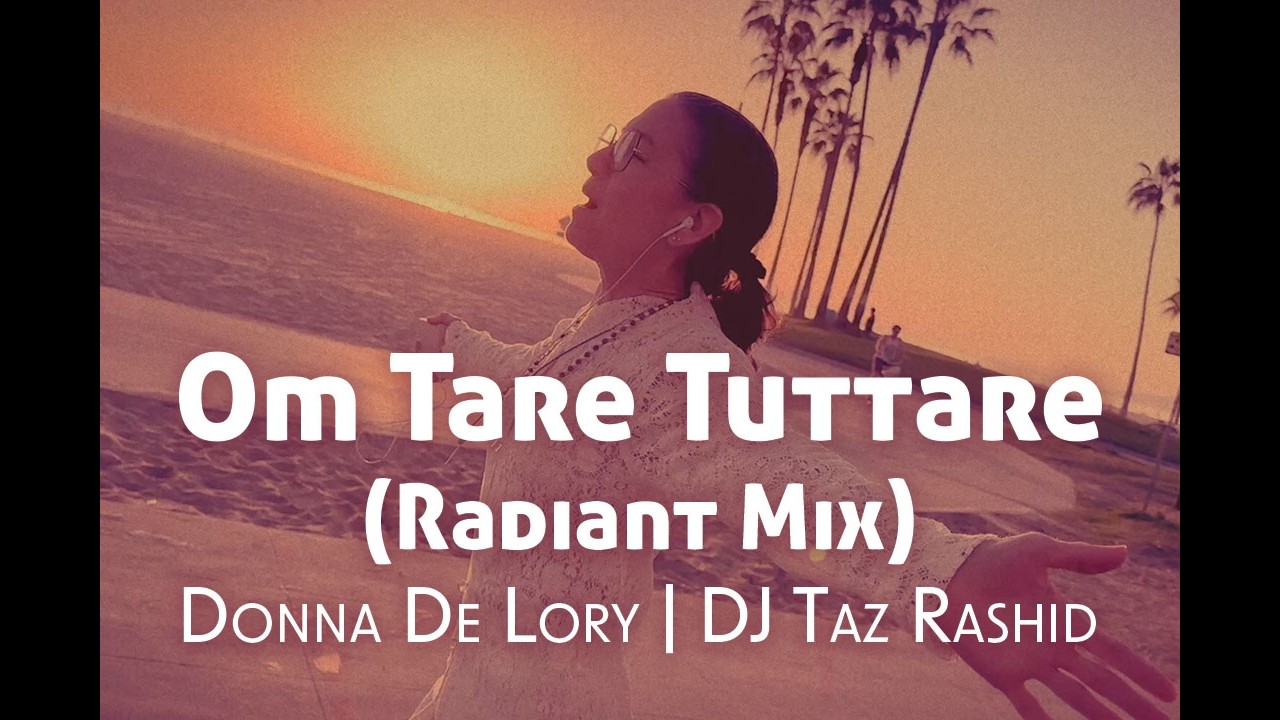
Donna De Lory's Ma Song is a devotional work created specifically for contemplative practitioners. The composition operates as what many traditions call a "concentration object"—a focal point that allows the mind to settle and the body to relax simultaneously. Unlike performance-oriented music, Ma Song is structured to support inward attention rather than outward engagement or entertainment.
The piece draws on the Sanskrit term "Ma," which carries multiple meanings across Hindu and Buddhist traditions. In many contexts, Ma refers to the divine mother principle or the foundational creative principle that underlies existence. By centering a meditation composition around this syllable and concept, De Lory creates a bridge between sonic experience and spiritual meaning—allowing practitioners to work with both the sound itself and the archetypal significance it carries.
How Does Devotional Music Support Meditation and Yoga?
Sacred music functions in meditation and yoga practice in several distinct ways. First, it provides an auditory anchor for attention. When the mind wanders—which is the natural function of mind—a devotional song gives practitioners something specific to return to. This repeated return to the object of meditation strengthens attention and develops what contemplative traditions call "one-pointedness."
Second, devotional music activates what might be called the emotional-spiritual dimension of practice. While breath work and physical asana activate the body and subtle body systems, sacred music directly engages the heart and emotional intelligence. This creates a more integrated experience of meditation, where cognition, emotion, and somatic awareness work together rather than in isolation.
Third, the specific frequencies and harmonic structures in devotional compositions are often designed to resonate with particular energy centers or states of consciousness. Traditional music systems across cultures—from Indian classical music organized around ragas to Tibetan Buddhist chanting—encode specific psychological and physiological effects into their musical structures. Ma Song, created within this lineage of intentional sacred music, likely carries such architectural elements.
Why Choose Devotional Music Over Instrumental Ambient Tracks?
While ambient instrumental music can certainly support meditation, devotional music that includes the human voice offers something additional. The human voice carries intention, feeling, and cultural meaning in ways that purely instrumental compositions do not. When a trained vocalist like De Lory sings a devotional piece, she is not simply producing pleasant sounds—she is offering a transmission of a particular state of consciousness, a particular quality of heart engagement.
In many spiritual traditions, the voice of an experienced teacher or practitioner is understood to carry "shakti" or "baraka"—a transformative energy that can be received by those who listen with openness. This doesn't require belief in anything supernatural; modern neuroscience confirms that listening to a skilled vocalist activates mirror neurons and emotional resonance systems in the listener's brain, creating a form of attunement between singer and listener.
Additionally, devotional music often works with specific spiritual concepts or archetypal figures embedded in the lyrics or in the title itself. By meditating with Ma Song, practitioners are not simply settling their mind—they are also aligning their awareness with particular spiritual meanings and energetic signatures that Ma represents.
What Is the Album Gone Beyond, and Where Does Ma Song Fit?
De Lory's album Gone Beyond positions Ma Song within a curated collection of music explicitly designed for meditation and relaxation. The album title itself—Gone Beyond—suggests movement past ordinary waking consciousness into deeper states of awareness. Each track on such an album is typically selected and arranged to support that trajectory.
Ma Song functions as one movement within a larger sonic landscape designed to facilitate transition from ordinary mind into contemplative states. The consistency of such an album—all tracks serving similar functions, all created with similar intentions—makes it a powerful tool for regular practice. Rather than assembling random meditation music from various sources, practitioners using a cohesive album like Gone Beyond benefit from the unified vision and intention of the artist.
How Can Practitioners Integrate Ma Song Into Their Practice?
There are several ways to work with Ma Song depending on individual needs and existing practice structures:
- As a meditation anchor during seated practice: Play the track during formal meditation, allowing the voice and music to become your primary focus object. When attention wanders, return gently to listening.
- As a yoga class soundtrack: Use the piece during the relaxation phase of a yoga session, or during a yin or restorative practice where longer holds allow time for deeper engagement with music.
- As transition music: Play it during the shift between daily activity and meditation practice, using it to signal to your nervous system that inward attention is beginning.
- As repetitive practice: Listen to the same track over multiple sessions and days. Repetition deepens familiarity and allows subtle layers of the composition to reveal themselves over time.
- As emotional support: When experiencing difficulty with meditation or when the mind feels scattered, use Ma Song as a container that holds you in the practice.
What Makes Donna De Lory's Voice Particularly Suited to Devotional Music?
De Lory brings to her devotional work both technical vocal training and years of engagement with contemplative practice. Her background allows her to craft pieces that are both musically sophisticated and spiritually authentic. A trained vocalist understands how to shape breath, tone, and resonance in ways that unskilled singers cannot—and these technical elements directly affect how deeply the music can penetrate a listener's awareness.
Additionally, a vocalist who has walked a spiritual path brings genuine devotion to the work rather than technical perfection alone. This combination of skill and genuine practice creates what might be called "authentic sacred music"—pieces that serve their function rather than merely sounding beautiful.
Where to Go From Here
If Ma Song resonates with you, consider exploring the full album Gone Beyond to experience De Lory's complete vision for meditation support music. You might also investigate how different devotional practices and pieces from various traditions affect your own practice—exploring kirtan, Tibetan chanting, or Sufi vocal music to discover what specific sonic and spiritual elements most deepen your own work.
For practitioners new to using music in meditation, begin by setting a regular practice time with Ma Song and observe over several weeks how the piece affects your meditation quality, your emotional state, and your overall sense of wellbeing. Track whether consistency with the same piece yields deeper results than constantly changing music. Finally, consider exploring the meanings and traditions behind the Sanskrit term "Ma" to deepen your intellectual and spiritual understanding of what you're working with when you practice with this composition.
]]>