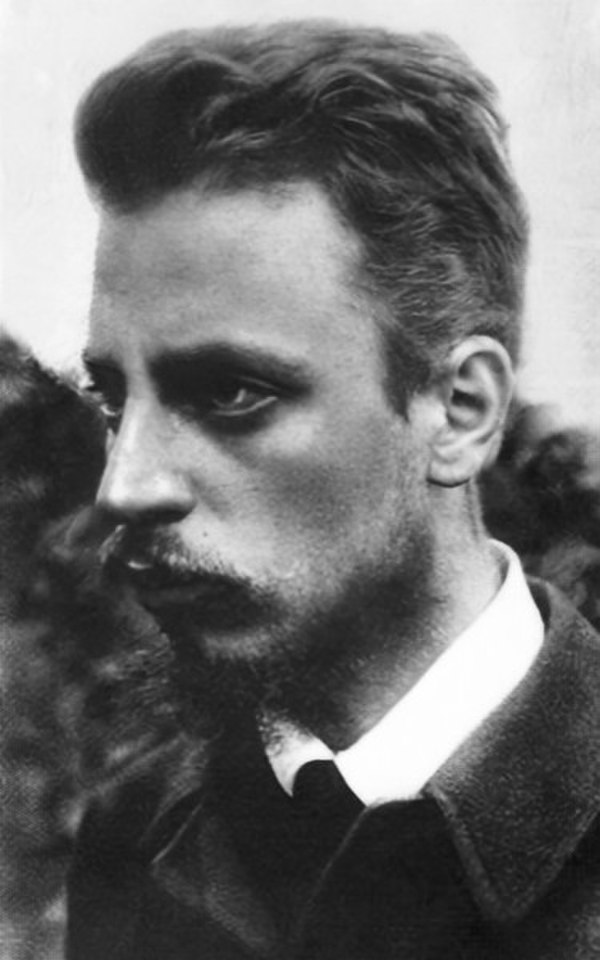
Embracing the Unanswered: The Art of Loving Our Questions
Rainer Maria Rilke invites us to cultivate patience towards the unresolved feelings and questions that dwell within our hearts. He encourages us not merely to endure these uncertainties but to embrace them with love and curiosity. This perspective is vital in a world that often demands immediate answers and resolutions, reminding us that the journey through our questions can be as meaningful as the answers we seek.
In a culture that often prioritizes certainty and quick solutions, Rilke's words resonate deeply. They challenge us to shift our focus from the discomfort of unanswered questions to a more contemplative approach that values the process of inquiry itself. By loving the questions, we open ourselves to a richer, more profound engagement with our inner lives, allowing space for growth and transformation in the face of ambiguity.
The image / the metaphor
Rilke's quote paints a vivid picture of the heart as a landscape filled with unsolved mysteries. The verbs "be patient" and "try to love" suggest a gentle, nurturing approach to our inner turmoil. Patience here is not passive resignation but an active engagement with our feelings, a willingness to sit with discomfort and uncertainty. The act of loving the questions themselves transforms them from burdens into companions on our spiritual journey.
Diving deeper into the metaphor, we can see that Rilke is not merely advocating for tolerance of our unanswered questions; he is inviting us to cultivate a relationship with them. This relationship can be likened to a gardener tending to a garden of wildflowers, where each question is a unique bloom that requires attention and care. By nurturing these questions, we allow them to unfold in their own time, revealing insights and wisdom that might otherwise remain hidden.
In the speaker's tradition
Rilke's insights are deeply rooted in the mystical tradition, where the embrace of uncertainty is often seen as a pathway to deeper understanding. Concepts such as *kenosis*, the idea of self-emptying, echo Rilke's call to let go of the need for immediate answers. In this context, patience becomes a form of surrender, allowing the heart to be open to the mysteries of existence without the compulsion to resolve them hastily.
Moreover, Rilke's perspective aligns with the Buddhist concept of *sunyata*, or emptiness, which teaches that our attachments to fixed answers can lead to suffering. Just as the Zen tradition encourages practitioners to sit with their questions in meditation, Rilke invites us to dwell in the space of inquiry, recognizing that the questions themselves can lead us to profound insights. His work resonates with the idea that the journey of seeking is as sacred as the destination of finding.
Living the teaching
Consider a modern scenario where this teaching can be applied: a young professional grappling with career choices. Faced with the pressure to make definitive decisions, they might feel overwhelmed by uncertainty. Rilke's invitation to be patient with these unresolved feelings allows them to explore their passions and fears without the immediate need for clarity. This approach fosters a deeper understanding of their true desires, ultimately leading to more authentic choices.
In relationships, Rilke's wisdom can also be transformative. Imagine a couple navigating a challenging period, filled with unspoken questions about their future together. Instead of rushing to resolve their doubts through hasty conversations or decisions, they might choose to embrace the uncertainty, allowing their feelings to surface naturally. By loving the questions that arise, they create a space for deeper connection and understanding, ultimately strengthening their bond as they navigate the complexities of love.
A reflection
As we contemplate Rilke's profound invitation, we might ask ourselves: What unresolved questions reside in my heart, and how can I learn to love them? This question encourages us to engage with our inner landscapes, fostering patience and curiosity as we navigate the complexities of our lives. In embracing our questions, we open ourselves to the possibility of transformation and deeper understanding, allowing the journey itself to become a source of wisdom.

Join the BrightStar Community
Stay connected with daily inspiration, event announcements, and community wisdom