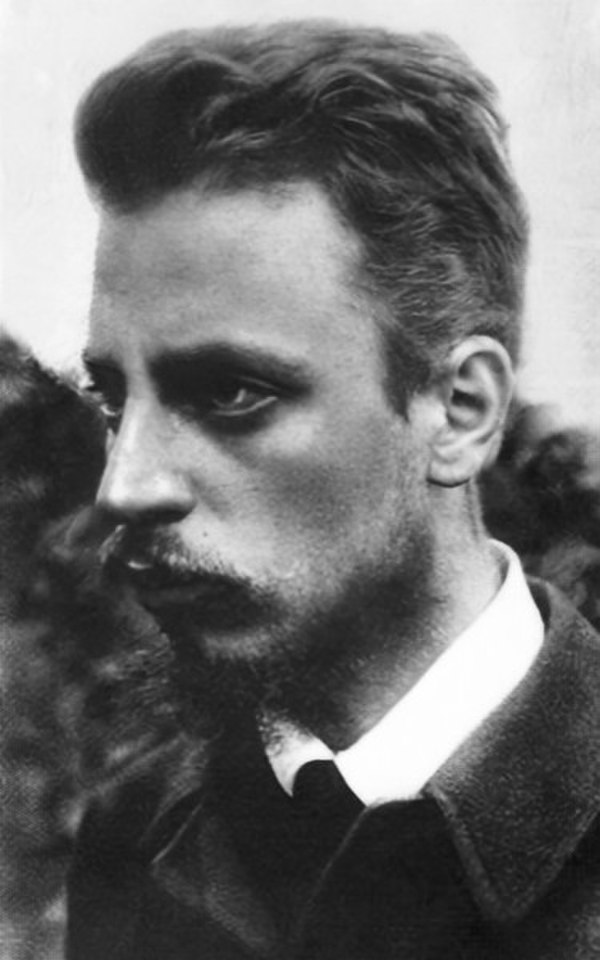
Embracing the Echoes of Childhood
Rainer Maria Rilke's assertion that "everything that you can think in the face of your childhood is right" invites us to explore the profound and often complex relationship we have with our formative years. This statement suggests that our reflections, memories, and interpretations of childhood experiences hold intrinsic validity, regardless of how they may be perceived by others. In a world that often dismisses or invalidates personal narratives, Rilke's words serve as a reminder of the importance of honoring our individual truths and the emotional landscapes that shape us.
Delving deeper, Rilke's quote challenges us to confront the multifaceted nature of memory and perception. It encourages a trust in our inner voice, urging us to recognize that our thoughts and feelings about our childhood are not merely subjective whims but rather essential components of our identity. By embracing this perspective, we can cultivate a deeper understanding of ourselves and the ways in which our past continues to influence our present and future. This exploration is not just an intellectual exercise; it is a spiritual journey toward self-acceptance and authenticity.
The image / the metaphor
At its core, Rilke's quote evokes a vivid image of a person standing at the intersection of memory and reflection, gazing back at the landscape of their childhood. The phrase "in the face of your childhood" suggests a confrontation, a direct engagement with the past that is both intimate and revealing. The verbs "think" and "is" imply a dynamic process of contemplation and affirmation, inviting us to acknowledge the validity of our thoughts as they relate to our early experiences. This imagery evokes a sense of trust in one's inner narrative, encouraging us to embrace the complexities of our childhood without judgment.
Going deeper, the metaphor of "the face of your childhood" can be seen as a mirror reflecting not only our memories but also the emotions and lessons embedded within them. It invites us to consider how our childhood experiences shape our understanding of love, loss, joy, and pain. In this light, Rilke's words become a call to honor the entirety of our childhood experiences, recognizing that they are integral to our spiritual and emotional development. The act of thinking about our childhood becomes a sacred practice, a way to integrate the past into our present selves.
In the speaker's tradition
Rainer Maria Rilke's work is deeply rooted in the tradition of mysticism, where the exploration of the self and the divine intertwine. His emphasis on personal experience resonates with concepts such as *kenosis*, the idea of self-emptying to allow for greater understanding and connection with the divine. In this context, Rilke's assertion can be seen as an invitation to empty ourselves of preconceived notions about our past, allowing our authentic memories and feelings to emerge. This process of self-exploration aligns with the mystical journey toward self-realization and union with the greater whole.
Furthermore, Rilke's reflections echo the sentiments found in various mystical texts that emphasize the importance of personal truth. For instance, the *Tao Te Ching* speaks to the value of embracing one's nature and experiences as a path to wisdom. Just as the Tao encourages individuals to flow with their inherent nature, Rilke urges us to trust our thoughts and feelings about our childhood as valid expressions of our unique journeys. This connection between Rilke's insights and broader mystical teachings highlights the universality of the quest for understanding and acceptance of the self.
Living the teaching
Consider a modern scenario where Rilke's teaching can be applied: a person reflecting on their childhood experiences of family dynamics. Perhaps they recall moments of joy intertwined with feelings of neglect or misunderstanding. In this reflection, they may grapple with conflicting emotions, yet Rilke's words remind them that all these thoughts are valid. By allowing themselves to fully experience and articulate these memories, they can begin to heal and integrate these aspects of their past into their current identity, fostering a sense of wholeness.
In a different context, imagine a relationship where one partner struggles to communicate their childhood experiences to the other. Rilke's teaching encourages them to trust their feelings and thoughts, recognizing that their perspective is not only valid but essential for fostering intimacy and understanding. By sharing their memories and the emotions tied to them, they create a space for deeper connection and empathy, allowing both partners to navigate their shared experiences with greater compassion. This practice of openness can transform relationships, grounding them in authenticity and mutual respect.
A reflection
As we contemplate Rilke's assertion, we are invited to ask ourselves: How do I honor my childhood experiences and the thoughts that arise from them? This question encourages a deep exploration of our personal narratives, prompting us to reflect on the ways in which our past shapes our present. By engaging with this inquiry, we can cultivate a greater sense of trust in ourselves and our journey, ultimately leading to a more profound understanding of who we are and how we relate to the world around us.



Join the BrightStar Community
Stay connected with daily inspiration, event announcements, and community wisdom