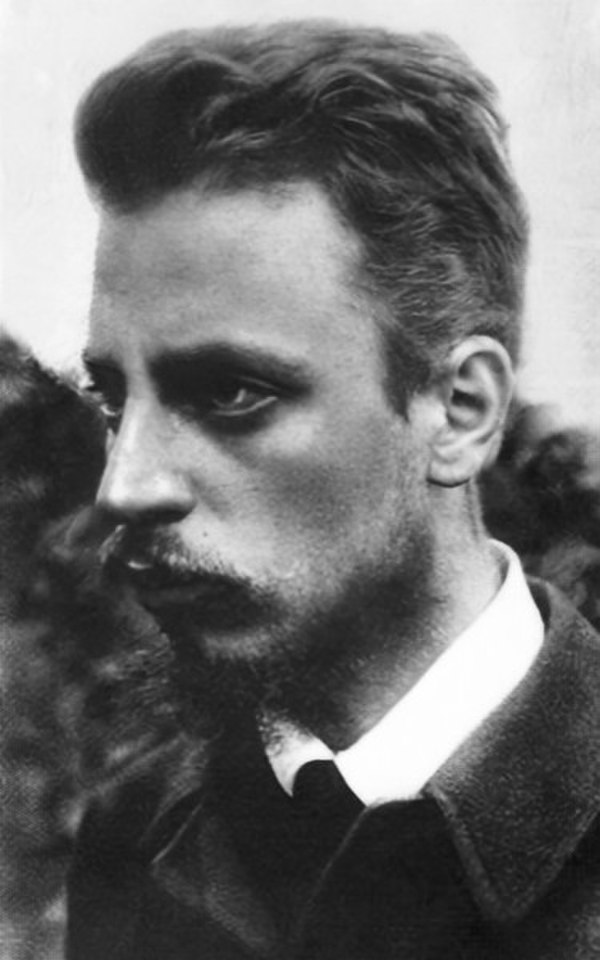
The Alchemy of Memory: Becoming One with Ourselves
Rainer Maria Rilke's poignant assertion that "For the memories themselves are not important. Only when they have changed into our very blood, into glance and gesture, are they nameless and one with ourselves" invites us to reflect on the transformative power of memory. In this statement, Rilke emphasizes that memories, in their raw form, hold little significance unless they are integrated into our being. This integration is what allows us to transcend mere recollection and embody our experiences, ultimately shaping our identity and presence in the world.
To grasp the depth of Rilke's insight, we must consider the implications of transformation and integration. Memories, when merely stored in the mind, can become burdensome or even stagnant. However, when they are woven into the fabric of our existence, they become vital threads that inform our actions, reactions, and interactions. This process of internalization is not just a passive absorption; it is an active engagement with our past that allows us to evolve into fuller versions of ourselves. Rilke's words beckon us to explore how we can cultivate this alchemical transformation in our own lives.
The image / the metaphor
At the heart of Rilke's quote lies a vivid imagery that evokes the essence of transformation. The phrase "changed into our very blood" suggests a deep, almost visceral integration of memory into our being. Blood, often associated with life force and vitality, symbolizes the fundamental essence of who we are. When memories become part of our blood, they cease to be mere recollections; they become the very lifeblood that sustains our identity, influencing our gestures and glances in the world.
Diving deeper into this metaphor, we can see that Rilke is not merely speaking of memories as passive artifacts of the past. Instead, he presents them as dynamic forces that shape our present and future. The transformation he describes is akin to a mystical alchemy, where the base metal of experience is transmuted into the gold of wisdom and understanding. This process requires a willingness to engage with our memories, allowing them to inform our actions and interactions, ultimately leading to a more authentic existence.
In the speaker's tradition
Rainer Maria Rilke's insights resonate profoundly within the realm of mysticism, where the integration of experience into the self is a central theme. Concepts such as *kenosis*, the self-emptying of one's own will to allow for divine presence, echo Rilke's call for transformation. Similarly, the idea of *fana*, or annihilation of the self in Sufi thought, mirrors the notion of shedding the superficial layers of memory to reveal a deeper, unified self. In both cases, the journey involves a deep surrender and transformation that transcends the individual ego.
Rilke's exploration of memory can also be likened to the Buddhist concept of *sunyata*, or emptiness, which invites practitioners to let go of attachments to past experiences. In this light, memories are not to be clung to but rather integrated into a broader understanding of self and existence. The *Notebooks of Malte* serve as a rich tapestry of Rilke's reflections, where he navigates the complexities of identity, memory, and the human experience, ultimately guiding us toward a more profound understanding of our interconnectedness.
Living the teaching
Consider a modern scenario where this teaching finds resonance: a person grappling with the aftermath of a significant life event, such as the loss of a loved one. Initially, the memories of that person may feel heavy, laden with grief and sorrow. However, as time passes and the individual engages with those memories—reflecting on shared moments, lessons learned, and the love that remains—those memories can transform. They shift from being mere reminders of loss to becoming integral parts of the person's identity, shaping how they navigate relationships and embrace life moving forward.
In another context, think about a challenging relationship where past grievances linger like shadows. By consciously integrating those memories into one's understanding of the relationship, one can move beyond resentment and toward a more compassionate perspective. This transformation allows for gestures of kindness and understanding that reflect the growth born from past experiences. In both scenarios, Rilke's teaching encourages us to embrace our memories, not as burdens, but as vital components of our evolving selves.
A reflection
As we contemplate Rilke's profound words, we are invited to ask ourselves: How have my memories shaped who I am today, and in what ways can I allow them to transform me further? This question encourages a deep introspection, prompting us to explore the alchemical process of integrating our past into our present. By engaging with our memories in this way, we can cultivate a richer, more authentic existence that honors our journey while propelling us toward a more unified self.

Join the BrightStar Community
Stay connected with daily inspiration, event announcements, and community wisdom