In Search of the Unseen: Kinship and Solitude in Rilke's Wisdom
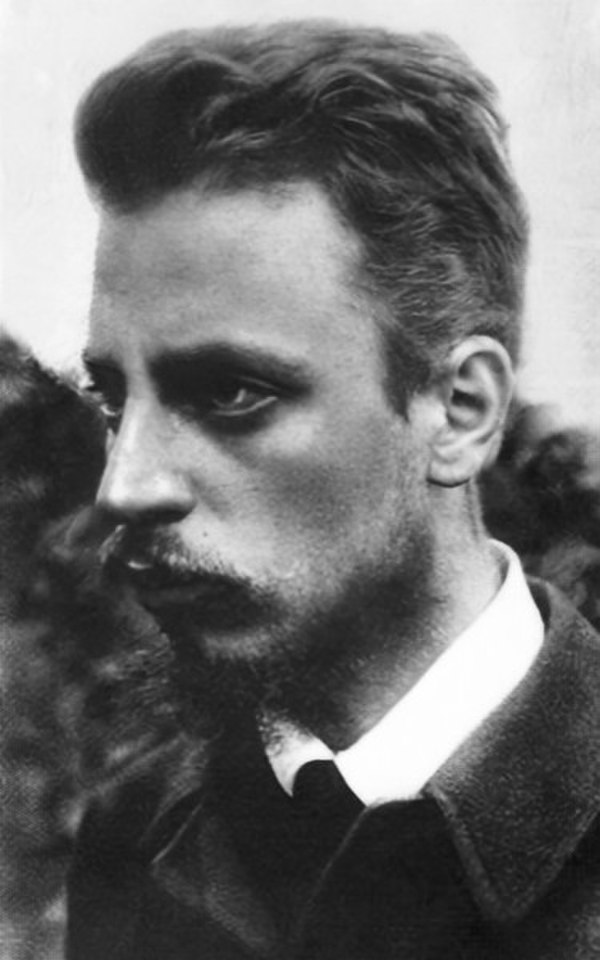
Rainer Maria Rilke's poignant declaration, "I want to be with those who know secret things or else alone," speaks to a profound yearning for connection with those who grasp the deeper mysteries of existence. This longing for kinship with the insightful, the wise, and the spiritually attuned reveals a fundamental aspect of the human experience: the desire for meaningful relationships that transcend the mundane. In a world often filled with superficial interactions, Rilke's words remind us of the importance of seeking out those who resonate with our inner truths or embracing solitude when such connections are absent.
Rilke's quote encapsulates the tension between companionship and solitude, suggesting that true understanding often lies in the realm of the esoteric. The phrase "secret things" evokes a sense of hidden knowledge, a wisdom that is not readily accessible to everyone. This quest for depth, whether through the company of kindred spirits or through the introspective journey of solitude, underscores the significance of authenticity in our relationships and the necessity of self-discovery. In this light, Rilke invites us to reflect on the nature of our connections and the depths we are willing to explore.
The image / the metaphor
The imagery in Rilke's quote is rich and evocative, conjuring a landscape where the profound and the mysterious intertwine. The phrase "those who know secret things" suggests a select group of individuals who possess insights that elude the average person. The use of "want" indicates a deep desire, a yearning that transcends mere preference; it is a call to seek out those who can illuminate the shadows of our understanding. In contrast, the alternative of being "alone" is not merely a state of isolation but a conscious choice to embrace solitude as a means of self-exploration and reflection.
Diving deeper into the metaphor, Rilke contrasts the vibrancy of shared wisdom with the stillness of solitude. The "secret things" symbolize the hidden truths of life, the mysteries that often lie beneath the surface of everyday existence. By expressing a willingness to be alone in the absence of such companionship, Rilke elevates solitude to a sacred space where one can engage with their inner self. This duality of seeking connection while also valuing solitude invites us to consider how we navigate our relationships and our inner worlds.
In the speaker's tradition
Rainer Maria Rilke's work is deeply rooted in the tradition of mysticism, where the exploration of the unseen and the ineffable is paramount. His longing for those who understand "secret things" resonates with concepts found in various mystical traditions, such as the idea of *kenosis*, or self-emptying, which invites individuals to let go of their ego in pursuit of deeper truths. This journey towards understanding often requires a willingness to embrace solitude, akin to the Buddhist notion of *sunyata*, or emptiness, where one discovers the interconnectedness of all beings through introspection.
In Rilke's "Book of Hours," he reflects on the divine and the mysteries of existence, echoing the sentiments found in the works of other mystics like John of the Cross or Meister Eckhart. These figures also grappled with the tension between the desire for divine connection and the necessity of solitude. Rilke's exploration of this theme invites readers to engage with their own spiritual journeys, seeking out the "secret things" that resonate with their souls while also recognizing the value of introspective solitude.
Living the teaching
Consider a modern scenario where this teaching might resonate: a person finds themselves in a bustling social environment, surrounded by acquaintances yet feeling a profound sense of disconnection. In this moment, they might recall Rilke's words and recognize that true kinship lies not in the quantity of relationships but in the quality of understanding shared. This realization could prompt them to seek out deeper conversations with those who resonate with their inner truths, or alternatively, to embrace solitude as a time for reflection and self-discovery.
In another context, imagine a relationship where one partner feels unfulfilled by surface-level interactions. They might reflect on Rilke's quote and recognize the importance of seeking deeper connections, whether through shared spiritual practices, meaningful conversations, or simply being present with one another in silence. This awareness can transform the relationship, fostering a space where both individuals feel seen and understood, or it may lead one to embrace solitude as a necessary step towards personal growth and clarity.
A reflection
As we contemplate Rilke's profound statement, we are invited to ask ourselves: What are the "secret things" that resonate within us, and who are the individuals in our lives that help illuminate these truths? This question encourages a deeper exploration of our relationships and our inner landscapes, prompting us to seek out those who inspire us while also valuing the moments of solitude that allow for personal reflection and growth. In this dance between connection and solitude, we may find the wisdom that Rilke so deeply cherished.



Join the BrightStar Community
Stay connected with daily inspiration, event announcements, and community wisdom