Resonating Through the Shadows: Embracing the Bell of Darkness
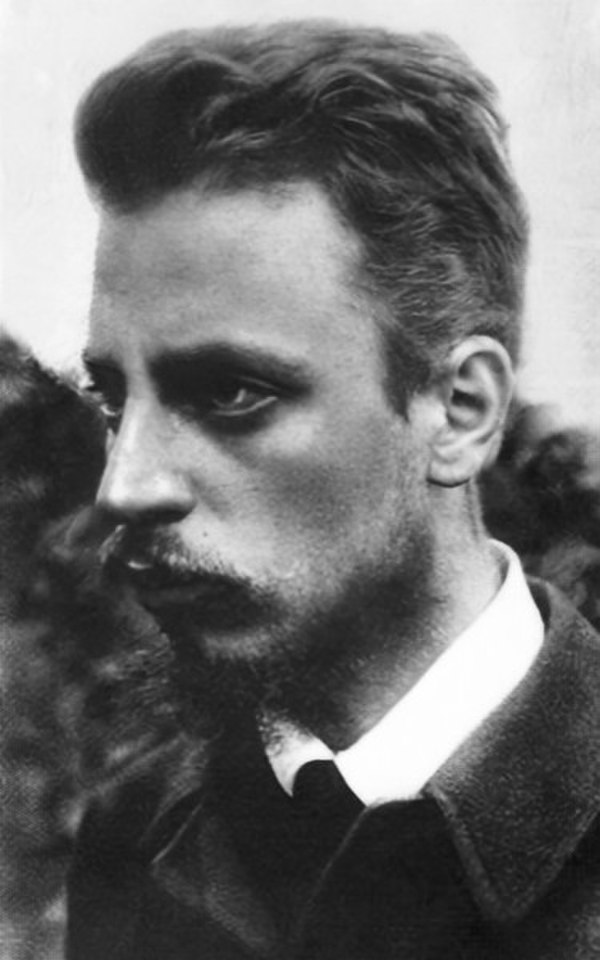
Rainer Maria Rilke invites us to consider the profound relationship between our inner darkness and the potential for transformation it holds. In his evocative phrase, "Let this darkness be a bell tower and you the bell," he suggests that our struggles and uncertainties can serve as a foundation for awakening and resonance. This metaphor speaks to the heart of human experience, urging us to embrace our shadows rather than shy away from them, for within them lies the potential for profound insight and connection.
In a world that often glorifies light and success, Rilke's words remind us that darkness is not merely an absence of light but a space rich with possibility. The bell tower, a structure that stands tall and firm, symbolizes the strength we can cultivate through surrendering to our darker moments. By allowing ourselves to be the bell, we can resonate with the world around us, creating a sound that echoes our deepest truths. This teaching is not just a poetic notion; it is a call to engage with our inner lives in a way that fosters growth and understanding.
The image / the metaphor
At first glance, Rilke's imagery evokes a striking contrast between darkness and sound, between the stillness of a tower and the vibrancy of a bell. The bell tower stands as a symbol of stability, a structure that can withstand the test of time and weather. In this metaphor, darkness is not something to be feared or avoided; rather, it becomes a vessel that holds the potential for resonance. The act of being a bell suggests an active engagement with our experiences, inviting us to sound out our truths and emotions, even when they arise from the depths of our struggles.
Diving deeper into the metaphor, we can see that the bell's sound is not merely a reflection of its physical form but an expression of its inner essence. When we allow our darkness to resonate, we transform it into a powerful force that can connect us with others. Just as a bell's toll can be heard far and wide, our willingness to embrace and express our inner turmoil can create ripples of understanding and compassion in the world. This interplay between darkness and sound invites us to consider how our vulnerabilities can become sources of strength and connection.
In the speaker's tradition
Rainer Maria Rilke's work is deeply rooted in the tradition of mysticism, where the exploration of the inner self often leads to profound insights about existence. Concepts such as kenosis, the self-emptying of one's will to make room for divine presence, resonate with Rilke's invitation to surrender to our darkness. In this context, darkness can be seen as a necessary part of the spiritual journey, akin to the Buddhist notion of sunyata, or emptiness, which encourages us to let go of attachments and preconceived notions in order to discover deeper truths.
In Rilke's "Book of Hours," he grapples with the complexities of existence, often reflecting on the interplay between light and dark. His poetry echoes the sentiments found in mystical texts across various traditions, such as the Sufi concept of fana, where the dissolution of the self leads to a greater union with the divine. Rilke's exploration of darkness as a bell tower aligns with these teachings, suggesting that through surrender and acceptance, we can find a path to deeper resonance and connection with the universe.
Living the teaching
Consider a modern scenario where this teaching might resonate: a person facing a significant life transition, such as the loss of a job or the end of a relationship. In the midst of this darkness, the individual may feel overwhelmed by uncertainty and fear. However, if they can view this experience as a bell tower, they might begin to recognize the potential for growth and transformation. By allowing themselves to express their emotions and share their journey with others, they can create a resonance that not only helps them heal but also connects them with those who have faced similar challenges.
In another context, imagine a relationship strained by misunderstandings and unexpressed feelings. Here, the darkness may manifest as resentment or silence. By embracing the idea of being the bell, both partners can choose to sound out their truths, sharing their vulnerabilities and fears. This act of resonance can transform the relationship, allowing for deeper understanding and connection. In both scenarios, the invitation to embrace darkness becomes a pathway to healing, growth, and authentic connection.
A reflection
As we contemplate Rilke's profound invitation, we are left with a contemplative question: How can we allow our own darkness to resonate in a way that fosters connection and understanding with ourselves and others? This inquiry invites us to explore the depths of our experiences, recognizing that within our struggles lies the potential for transformation and resonance. By embracing our shadows, we can not only find our own voice but also contribute to the symphony of human experience, echoing our truths into the world.


Join the BrightStar Community
Stay connected with daily inspiration, event announcements, and community wisdom