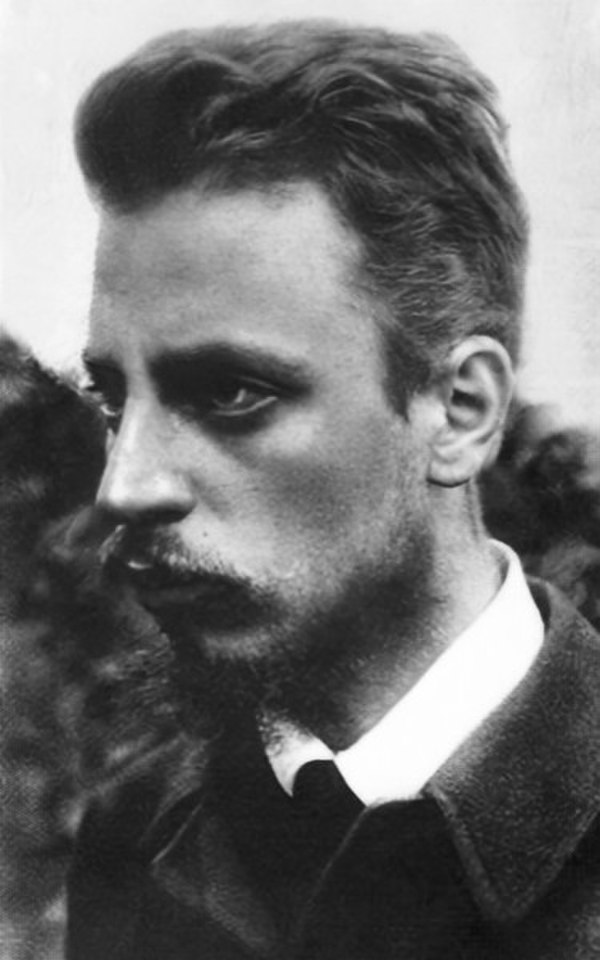
Embracing the Uncertainty of Questions
Rainer Maria Rilke invites us to "live the questions now," suggesting that instead of seeking immediate answers, we should immerse ourselves in the inquiries that stir our hearts and minds. This approach emphasizes the importance of patience and trust in the unfolding of our lives. By allowing ourselves to dwell in the questions, we may find that answers emerge organically over time, often when we least expect them. This perspective is not merely a philosophical stance; it is a profound spiritual practice that can transform our relationship with uncertainty and the unknown.
In a world that often prioritizes quick solutions and definitive answers, Rilke's words remind us of the value of contemplation and the wisdom inherent in the questions themselves. Living the questions means embracing the ambiguity of existence, recognizing that our journey is as significant as the destination. This invitation to trust the process encourages us to cultivate a deeper awareness of our experiences, fostering a sense of peace as we navigate the complexities of life. It is a call to honor the mystery of our existence and to find meaning in the spaces between certainty and doubt.
The image / the metaphor
Rilke's quote conjures a vivid image of a journey through a landscape of questions, where each inquiry serves as a stepping stone toward deeper understanding. The verbs "live" and "gradually" evoke a sense of movement and evolution, suggesting that our engagement with questions is not a static state but a dynamic process. The phrase "without noticing it" implies a gentle unfolding, where insights may arise subtly, almost as if they are gifts bestowed upon us by the universe. This imagery invites us to consider how we might navigate our own lives, allowing questions to guide us rather than confining us to rigid answers.
Diving deeper into the metaphor, we can see that living the questions is akin to planting seeds in fertile soil. Just as a seed requires time, nurturing, and the right conditions to grow, so too do our questions need space to develop. The act of living with questions becomes a practice of patience, trust, and openness to the unknown. In this way, Rilke encourages us to cultivate a relationship with our inquiries, allowing them to shape our experiences and lead us toward unexpected revelations.
In the speaker's tradition
Rainer Maria Rilke's perspective resonates deeply within the tradition of mysticism, where the journey toward understanding is often marked by paradox and uncertainty. Concepts such as dharma in Buddhism, which emphasizes the importance of living in accordance with one's true nature, parallel Rilke's call to embrace questions. Similarly, the idea of kenosis, or self-emptying, found in Christian mysticism, invites individuals to relinquish the need for certainty and to open themselves to the divine mystery. In this context, living the questions becomes a spiritual practice that aligns with the essence of these traditions.
Rilke's insights can be further illuminated by referencing his own work, particularly in "Letters to a Young Poet," where he encourages the young poet to embrace solitude and introspection. He writes about the necessity of patience in the creative process, emphasizing that true understanding often emerges from a place of stillness and contemplation. This aligns with the mystical understanding that the answers we seek may not come from external sources but rather from an inner awakening that unfolds over time.
Living the teaching
Consider a modern scenario where someone grapples with a significant life decision, such as changing careers or ending a relationship. In this situation, the pressure to find immediate answers can be overwhelming, leading to anxiety and confusion. However, by embracing Rilke's teaching to "live the questions now," this individual might choose to sit with their uncertainties, allowing themselves the grace to explore their feelings and thoughts without rushing to conclusions. This practice of inquiry can lead to deeper self-awareness and ultimately guide them toward a decision that feels authentic and aligned with their true self.
In another context, imagine a couple facing challenges in their relationship. Instead of seeking quick fixes or definitive answers to their problems, they might benefit from living the questions together. By engaging in open dialogue about their feelings, fears, and desires, they create a space for exploration and understanding. This approach fosters trust and intimacy, allowing them to navigate their complexities with patience and compassion. In both scenarios, Rilke's invitation to dwell in the questions serves as a powerful reminder that the journey itself can be as transformative as the answers we seek.
A reflection
As we reflect on Rilke's profound invitation, we might ask ourselves: What questions am I currently living with, and how can I embrace them without the pressure of finding immediate answers? This contemplative inquiry encourages us to honor our uncertainties and to trust in the unfolding of our lives. By allowing ourselves to dwell in the questions, we open the door to deeper understanding and connection with ourselves and the world around us. In this space of inquiry, we may discover that the answers we seek are not destinations but rather companions on our journey of becoming.


Join the BrightStar Community
Stay connected with daily inspiration, event announcements, and community wisdom