The Illusion of Victory: Embracing Surrender in Life's Struggles
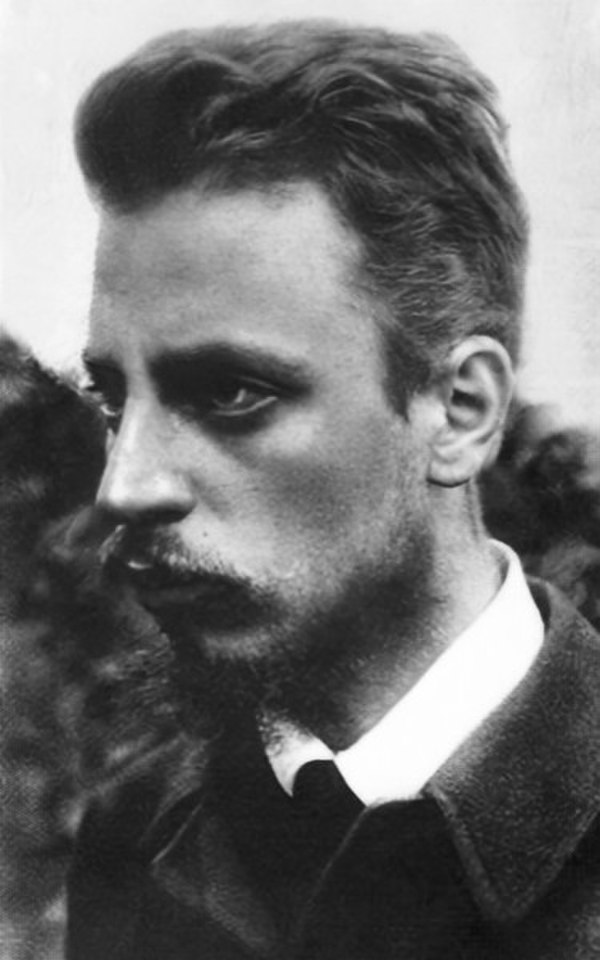
Rainer Maria Rilke's poignant assertion, "What we fight for, the great winnings of our lives — these we do not win at all," invites us to reconsider our understanding of success and struggle. In a world that often equates achievement with personal worth, Rilke's words challenge us to reflect on the deeper currents of existence that shape our lives. This quote speaks to the heart of our human experience, suggesting that the true essence of life lies not in the accolades we accumulate but in the grace we cultivate through surrender and acceptance.
As we navigate the complexities of our desires and ambitions, Rilke's insight serves as a gentle reminder that the battles we engage in may not yield the victories we anticipate. Instead, it is in the act of surrendering to the flow of life that we may discover a more profound sense of fulfillment. This perspective invites us to explore the paradox of striving and letting go, urging us to find meaning in the journey rather than the destination. In doing so, we open ourselves to a richer, more nuanced understanding of what it means to truly live.
The image / the metaphor
At the heart of Rilke's quote lies a striking imagery that evokes the tension between struggle and surrender. The phrase "what we fight for" conjures images of conflict, ambition, and the relentless pursuit of goals. It suggests a landscape where we are often pitted against external forces, whether they be societal expectations, personal aspirations, or internal doubts. The use of the word "winnings" further emphasizes the notion of victory, as if life were a game where success is measured by tangible rewards. Yet, Rilke's assertion that "these we do not win at all" disrupts this narrative, inviting us to reconsider the very nature of our pursuits.
Diving deeper into the metaphor, we can see that Rilke is not merely critiquing the idea of winning; he is illuminating the futility of clinging to outcomes. The struggle itself, rather than the victory, becomes the focal point of our existence. In this light, the act of fighting transforms from a means to an end into a profound engagement with the present moment. This shift in perspective allows us to embrace the inherent uncertainty of life, recognizing that true grace often emerges not from our victories but from our willingness to surrender to the unfolding of our experiences.
In the speaker's tradition
Rainer Maria Rilke's reflections are deeply rooted in the tradition of mysticism, where the interplay of struggle and surrender is a recurring theme. Concepts such as kenosis, the self-emptying of one's will, resonate with Rilke's assertion. In many mystical traditions, including Sufism and Buddhism, the idea of relinquishing the ego and embracing a state of non-attachment is central to spiritual growth. This surrender is not seen as a defeat but rather as an opening to a greater reality, where the self dissolves into the vastness of existence.
Rilke's exploration of these themes can be likened to the Buddhist concept of sunyata, or emptiness, which teaches that clinging to desires leads to suffering. In his poem "The Man Watching," Rilke captures the essence of this surrender, illustrating how the act of letting go can lead to a deeper connection with the divine. The mystical journey, as Rilke suggests, is not about accumulating victories but about embracing the grace that arises from our struggles and ultimately surrendering to the flow of life.
Living the teaching
In our modern lives, Rilke's teaching can be vividly illustrated through the experience of pursuing a career. Many individuals find themselves caught in a relentless cycle of striving for promotions, accolades, and recognition. This pursuit often leads to stress and dissatisfaction, as the anticipated rewards fail to bring lasting fulfillment. By embracing Rilke's insight, one might begin to shift their focus from the external markers of success to the internal journey of growth and self-discovery. This shift allows for a more profound engagement with one's work, fostering a sense of purpose that transcends mere achievement.
Another poignant application of this teaching can be found in the realm of relationships. In moments of conflict, we often find ourselves fighting for validation or control, believing that winning the argument will lead to harmony. However, Rilke's wisdom encourages us to surrender our need to be right and instead cultivate empathy and understanding. By letting go of our rigid positions, we create space for grace to enter the relationship, fostering deeper connections and a shared sense of belonging. In both scenarios, the act of surrender becomes a transformative practice, allowing us to navigate life's challenges with greater ease and authenticity.
A reflection
As we contemplate Rilke's profound assertion, we are invited to reflect on our own lives and the battles we engage in. What are the victories we chase, and how do they shape our sense of self? In the spirit of Rilke's teaching, we might ask ourselves: How can I embrace surrender in my daily life, allowing grace to guide me through my struggles? This question invites us to explore the delicate balance between striving and letting go, ultimately leading us to a deeper understanding of what it means to truly live.


Join the BrightStar Community
Stay connected with daily inspiration, event announcements, and community wisdom