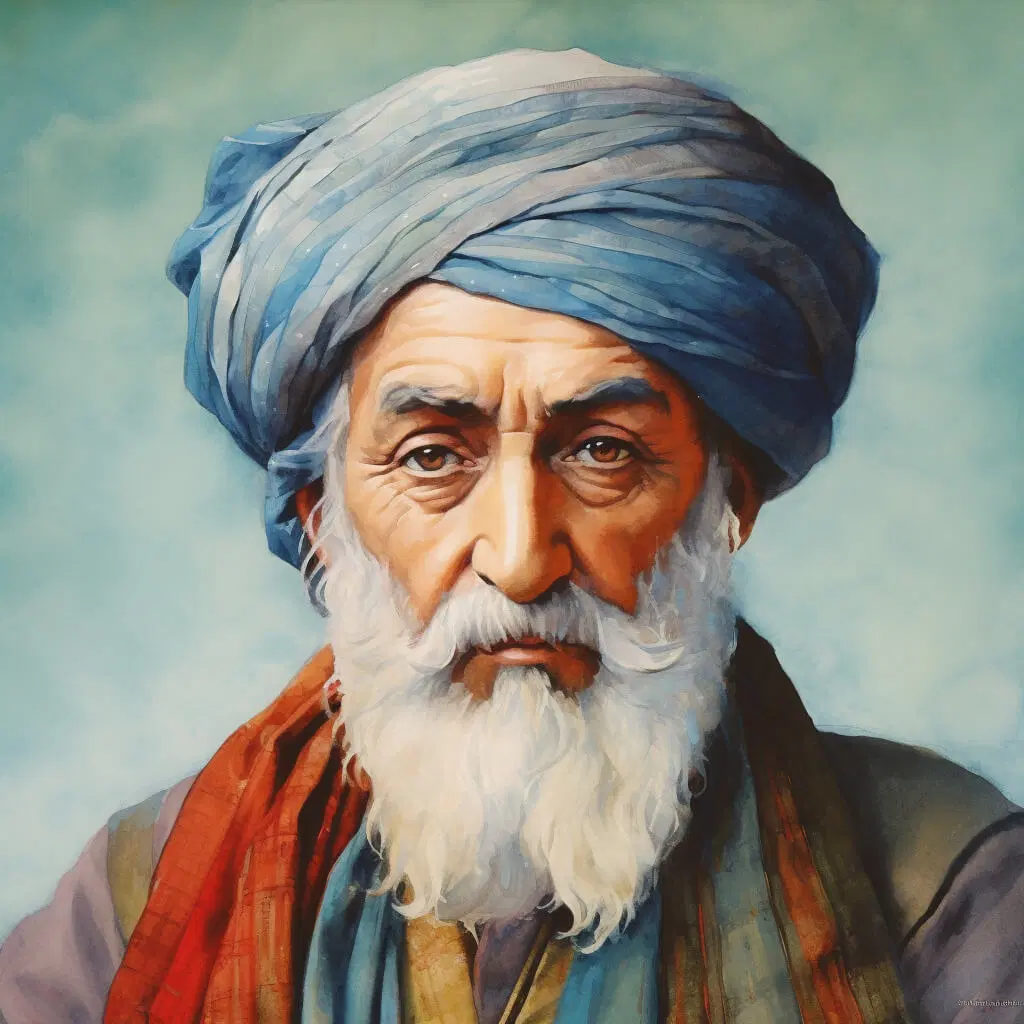
Ascending from the Depths: Embracing the Call to Freedom
Rumi's poignant question, "Why should I stay at the bottom of a well, when a strong rope is in my hand?" invites us to reflect on the nature of our own entrapments and the means available for our liberation. This metaphor speaks to the human condition, where we often find ourselves confined by fear, doubt, or despair, despite the presence of opportunities for growth and transformation. The stakes are high; remaining in the depths of our own wells can lead to stagnation, while reaching for the rope symbolizes the courage to embrace change and seek the light of freedom.
In a world that often feels overwhelming, Rumi's words serve as a gentle yet powerful reminder that we possess the agency to rise above our circumstances. The rope represents not only the potential for rescue but also the grace that accompanies our willingness to take action. This quote resonates deeply within the Sufi tradition, where the journey toward spiritual awakening is often fraught with challenges, yet illuminated by the promise of divine assistance. To grasp the rope is to acknowledge our own strength and the grace that surrounds us, urging us to ascend toward a more liberated existence.
The image / the metaphor
The imagery of a well evokes a sense of confinement, a dark and narrow space where one might feel isolated and helpless. The well symbolizes the depths of despair or ignorance, while the strong rope signifies hope, connection, and the possibility of ascent. The verbs chosen—"stay" and "hand"—imply a choice, a conscious decision to either remain in a state of limitation or to reach out for something greater. This dynamic interplay between the depths of the well and the strength of the rope creates a vivid contrast that invites introspection.
In the speaker's tradition
Rumi's teachings are deeply rooted in Sufism, a mystical branch of Islam that emphasizes the inner dimensions of faith and the pursuit of divine love. Central to Sufi thought is the concept of *fana*, or the annihilation of the self, which allows for a deeper connection with the divine. This notion parallels the idea of letting go of our limitations and embracing the grace that comes from surrendering to a higher power. The rope, in this context, can be viewed as the divine guidance that assists us in our journey toward spiritual awakening.
In the *Masnavi*, Rumi often employs metaphors to convey profound spiritual truths. For instance, he speaks of the journey of the soul as one of constant striving and seeking, akin to a moth drawn to the flame. This imagery reinforces the idea that while we may be drawn to the depths of despair, there exists a guiding light—much like the rope—that beckons us to rise. Rumi's work encourages us to recognize the divine presence in our lives and to trust in the support available to us as we navigate our spiritual paths.
Living the teaching
Consider a modern scenario where an individual feels trapped in a job that no longer fulfills them. They may experience a sense of dread each morning, feeling as though they are at the bottom of a well, unable to see a way out. Yet, the strong rope in their hand could represent the skills they possess, the support of friends and family, or the possibility of pursuing a new passion. By acknowledging this rope and taking steps toward change—whether through seeking new opportunities or engaging in self-reflection—they can begin to ascend from their current situation.
In relationships, this teaching can manifest during moments of conflict or misunderstanding. One partner may feel stuck in a cycle of resentment, believing that their grievances are insurmountable. However, the rope could symbolize open communication and vulnerability, inviting both partners to reach out to one another. By choosing to grasp this rope, they can navigate their differences with grace, fostering a deeper connection and understanding. This practice of reaching for the rope in difficult moments can transform relationships, allowing for healing and growth.
A reflection
As we contemplate Rumi's question, we are invited to examine our own lives and the wells we may find ourselves in. What ropes do we hold in our hands, and are we willing to use them to elevate ourselves? This reflection encourages us to consider the resources available to us—be they spiritual practices, supportive relationships, or inner strengths—and to recognize the grace that accompanies our journey toward freedom. In what areas of your life can you reach for the rope and begin your ascent?
Join the BrightStar Community
Stay connected with daily inspiration, event announcements, and community wisdom