EveryEvent San Diego

すべてのEventsを見る

Find every event in San Diego

events

Concerts & Live Music
Festivals
Sports & Recreation
Food & Drink
Arts & Culture
Community
Family & Kids
Nightlife
Comedy
Theater
人気の目的地
BaliSedonaLos AngelesCosta RicaNew YorkSan FranciscoAustinMiamiJoshua TreeTulum
すべてのカテゴリを見るすべての目的地を見る

すべての機能を探索

イベントを成長させる強力なツール

プラットフォーム機能

スマートダイナミックプライシング
チケットカテゴリ
座席指定
カート放棄リカバリー
訪問者リカバリー
寄付とスライディングスケール
アフィリエイトシステム
チケットスキャナー
クーポンコード
カスタム質問
チケット共有
アップセルとアドオン
分析とレポート
メールシーケンス
ウェイトリスト / 通知 / リマインダー
探索
Discovery HubArtists & PerformersVenuesKnowledge Base
すべての機能を見る私たちについて
料金ブログ
Language
Saved events
すべてのイベントを見る

events

Concerts & Live MusicFestivalsSports & RecreationFood & DrinkArts & CultureCommunityFamily & KidsNightlife

人気の目的地

BaliSedonaLos AngelesCosta RicaNew YorkSan Francisco

探索

Discovery HubArtists & PerformersVenuesKnowledge Base

プラットフォーム機能

スマートダイナミックプライシングチケットカテゴリ座席指定カート放棄リカバリー訪問者リカバリー寄付とスライディングスケールアフィリエイトシステムチケットスキャナークーポンコードカスタム質問チケット共有アップセルとアドオン分析とレポートメールシーケンスウェイトリスト / 通知 / リマインダー
すべての機能を見る私たちについて
料金ブログ
ログイン新規登録イベント主催者
  • Browse All Events
  • Concerts & Live Music
  • Festivals
  • Sports & Recreation
  • Food & Drink
  • Arts & Culture
  • Community
  • Family & Kids
  • Nightlife
  • すべてのカテゴリ →
  • Los Angeles
  • Tijuana
  • Palm Springs
  • Joshua Tree
  • Temecula
  • All Destinations →
  • For Promoters
  • For Artists
  • For Venues
  • For Festivals
  • For Event Spaces
  • For Nonprofits
  • For Bloggers
  • For Speakers
  • Brand Ambassador
  • Case Studies
  • 35万人以上のバイヤーネットワーク
  • カート放棄リカバリー
  • スマートダイナミックプライシング
  • チケットカテゴリ
  • 定期イベント
  • 座席指定
  • アフィリエイトシステム
  • ウェイトリスト / 通知
  • チケットスキャナー
  • 埋め込みウィジェット
  • イベント配信
  • メッセージセンター
  • インテグレーション
  • レポート
  • すべての機能 →
  • 概要
  • エコシステム
  • ブログ
  • 用語集
  • インスピレーション
  • ヘルプセンター
  • お問い合わせ
  • APIドキュメント
  • ブランドアセット
  • 採用
  • プレス
  • 利用規約
  • プライバシーポリシー

Events

  • Browse All Events
  • Concerts & Live Music
  • Festivals
  • Sports & Recreation
  • Food & Drink
  • Arts & Culture
  • Community
  • Family & Kids
  • Nightlife
  • すべてのカテゴリ →

Getaways

  • Los Angeles
  • Tijuana
  • Palm Springs
  • Joshua Tree
  • Temecula
  • All Destinations →

For Organizers

  • For Promoters
  • For Artists
  • For Venues
  • For Festivals
  • For Event Spaces
  • For Nonprofits
  • For Bloggers
  • For Speakers
  • Brand Ambassador
  • Case Studies

機能

  • 35万人以上のバイヤーネットワーク
  • カート放棄リカバリー
  • スマートダイナミックプライシング
  • チケットカテゴリ
  • 定期イベント
  • 座席指定
  • アフィリエイトシステム
  • ウェイトリスト / 通知
  • チケットスキャナー
  • 埋め込みウィジェット
  • イベント配信
  • メッセージセンター
  • インテグレーション
  • レポート
  • すべての機能 →

会社

  • 概要
  • エコシステム
  • ブログ
  • 用語集
  • インスピレーション
  • ヘルプセンター
  • お問い合わせ
  • APIドキュメント
  • ブランドアセット
  • 採用
  • プレス
  • 利用規約
  • プライバシーポリシー
EveryEvent
© 2026 EveryEvent San Diego. 全著作権所有.
Inspiration

Cura Corazón: Heart-Opening Mantra Musicfrom Mose & Matia Kalli

Mose
Mose
Mar 31, 2020
読了 約6分
視聴 · 5

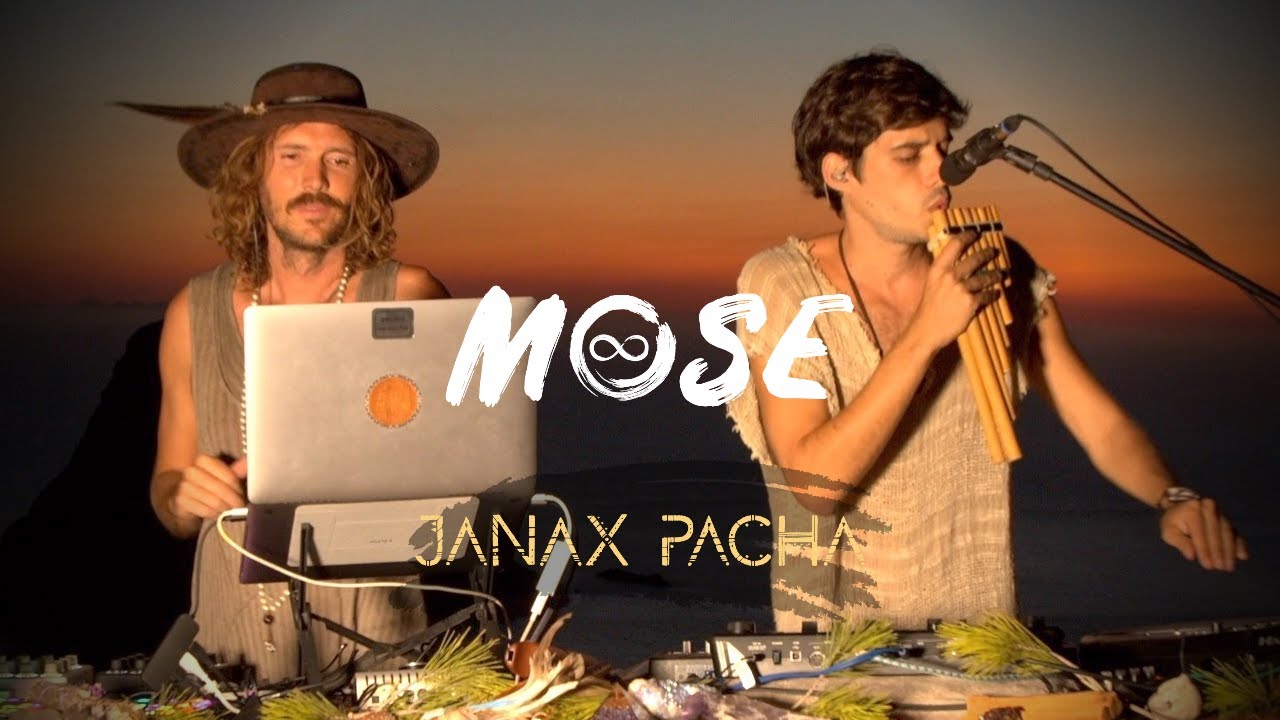
"Cura Corazón" is a heart-opening devotional track that brings together Matia Kalli of The Hanuman Project with producer Mose, featuring mantra-based vocals interwoven with delicate electronic and acoustic instrumentation. Released as part of the four-track EP Elements, the song draws from an Estonian variation and represents a new model for devotional music creation as global collaboration, combining medicine music, mantra, and experimental production across traditions.

読む · 7セクション

What Makes Cura Corazón a Heart-Opening Offering?

The title itself—"Cura Corazón," Spanish for "heal heart"—signals the song's intention: to open and mend the emotional center through sound and sacred intention. Matia Kalli, known for her work within The Hanuman Project, brings a voice trained in devotional practice to this piece. Rather than a strictly traditional mantra setting, the track exists in what the release notes describe as "something in between"—medicine music that holds both contemporary sensibility and ancient wisdom traditions.

The production approach, helmed by Mose, creates space rather than density. The instrumentation remains spare and intentional: vocals layered with subtle rhythmic elements, allowing the listener's attention to settle on the tonal quality and repetitive phrases that form the mantra's backbone. This restraint is itself a teaching—the space left in the music invites the listener to bring their own heart-work into the container.

How Does the Global Collaboration Shape the Sound?

The Elements EP emerged from what the release describes as "a magical constellation of friends, drawn together from the 4 corners of the world." Cura Corazón specifically brings together artists from different lineages and geographies. Matia Kalli's voice carries the Estonian-origin melody (attributed to variations written by Agne Nelk and also circulated among artists like CJ Ananda Page), while Mose's production sensibility draws from electronic music and world music traditions. The result is neither purely traditional nor purely experimental, but rather a deliberate weaving of elements.

This collaborative model represents a philosophical stance: that devotional practice and medicine music need not be cordoned off in rigid categories of "authentic" versus "contemporary." Instead, the artists propose that global family can co-create across traditions while remaining humble about the sources they draw from. The EP as a whole includes contributions from Sam Garrett, The Hanuman Project, and Jackson & Marileen, each bringing their own cultural anchors and sonic palettes.

What Is the Mantra Structure Within Cura Corazón?

The vocal core of the piece operates as a repeating mantra phrase. The transcript captures "the Budda Budda Budda Budda" pattern—a phonetic anchor that serves as both musical hook and meditative focal point. This kind of repetition is not accidental or merely catchy; it reflects centuries of mantra practice where sound vibration and repetition work together to shift consciousness and open the heart center.

The mantra's simplicity allows multiple layers of meaning. On one level, it functions as rhythm and melody—something the listener can follow and, if practicing along, begin to internalize. On another level, the vibration of sustained vowel sounds and the patterns created by consonants engage the vagus nerve and create a physiological relaxation response. The heart, in yogic and Ayurvedic understanding, is not merely an emotional organ but also a seat of consciousness and subtle energy (anahata chakra).

Why Position This as Part of an "Elements" EP Rather Than a Solo Release?

The Elements EP frames four tracks as a unified journey through "medicine music, mantra and something in between." By positioning Cura Corazón as one element within a larger whole, the artists signal that no single track contains the complete medicine. Instead, the four pieces offer different entry points, different cultural references, and different sonic textures that together create a fuller experience of what collaborative devotional music can be.

This structural choice also honors the reality of how these songs came into being: not from the singular vision of one artist, but through networks of relationship, invitation, and shared intention. The EP becomes a map of that web rather than a showcase for individual mastery.

How Does Mose's Production Aesthetic Support the Devotional Content?

Mose's role as producer is crucial but not dominant. Rather than layering elaborate production that calls attention to itself, the production choices remain in service of the voice and the mantra. This restraint mirrors principles found in certain schools of mantra practice: the less ornament, the more clearly the practitioner encounters the vibration itself.

The use of space—silence between phrases, breath, decay of notes—creates a meditative pacing. The instrumentation, whether acoustic or electronic, sits in a register that does not compete with Matia Kalli's vocal range. If listeners are practicing along, singing or internally repeating the mantra, they are not fighting a wall of sound but rather invited into a clear channel.

What Cultural Origins Does Cura Corazón Honor?

The song's attribution history is itself instructive. Originally attributed to an Estonian variation written by Agne Nelk, the melody also circulates among contemporary kirtan and mantra musicians like CJ Ananda Page. Rather than claiming singular authorship, the release notes acknowledge this multiplicity. Many songs in devotional traditions follow this path: they move between cultures, gain new arrangements, and belong in some sense to the lineage that transmits them rather than to any individual.

By crediting the Estonian source while framing this version as an "interpretation," Mose and Matia Kalli position themselves as stewards in a chain of transmission. This approach differs from the Western copyright model and aligns instead with how sacred music traditionally moves—with acknowledgment, gratitude, and a willingness to let the song be transformed by new voices while remaining tethered to its roots.

Where to Go From Here

If Cura Corazón resonates, the next natural steps are to explore the full Elements EP to understand how each track contributes its own medicine and perspective. Listeners interested in the mantra practice dimension might investigate Matia Kalli's work within The Hanuman Project, where traditional kirtan and contemporary expression merge. Those curious about production approaches to sacred music can explore Mose's broader catalog, which continues to explore the intersection of electronic sound design and devotional practice.

The song itself can be used as a contemplative anchor: repeated listening, singing along, or simply resting in the mantra as background to daily life. In traditions of mantra, repetition over time creates cumulative effect—the heart opens not through dramatic single encounters but through steady, patient return to the sound.

Transcript

[0:01] [Music]

[0:50] [Music]

[1:10] [Music]

[1:34] [Music]

[1:59] [Music]

[2:10] the Budda Budda Budda Budda

[2:15] [Music]

[2:40] [Applause]

[2:43] [Music]

[3:05] [Applause]

[3:08] [Music]

[3:19] [Music]

[3:28] [Music]

[3:37] [Music]

[4:03] [Music]

[4:08] [Applause]

[4:13] [Music]

[4:24] [Music]

[4:41] [Music]

[4:59] [Applause]

[5:01] [Music]

[5:03] [Laughter]

[5:08] Oh

[5:14] [Music]

[5:19] the chorus

[5:20] [Music]

[5:29] [Music]

[5:44] Oh

[5:45] [Music]

[5:59] [Music]

[6:08] [Applause]

[6:09] [Music]

[6:40] [Music]

[6:56] [Music]

[7:02] [Music]

[7:15] [Music]

[8:00] [Music]

[8:05] [Applause]

[8:05] [Music]

[8:18] [Music]

[8:24] [Applause]

[8:25] [Music]

[8:37] [Applause]

[8:48] [Music]

[9:01] [Music]

[9:19] [Music]

Mose
著者Mose

Mississippi-born pianist and singer who blended jazz and blues with witty storytelling, influencing generations of rock and R&B artists from Jimi Hendrix to The Rolling Stones.

プロフィールを見るウェブサイト
トピックを見る
Mantra-musicHeart-openingDevotional-practiceKirtanGlobal-collaboration

ご質問はありますか?

よくある質問

Cura Corazón is Spanish for "heal heart." The title signals the song's devotional intention to open and mend the emotional center through mantra, sacred sound, and collective listening. The piece functions as both a musical offering and a contemplative practice.
The song draws from an Estonian variation attributed to composer Agne Nelk and also circulates among contemporary kirtan musicians like CJ Ananda Page. This version is an interpretation that acknowledges multiple origins rather than claiming singular authorship, honoring how sacred music traditionally moves across cultures.
Mose uses restrained, spacious production that keeps the focus on Matia Kalli's vocals and the mantra itself rather than elaborate instrumentation. The use of silence, breath, and minimal ornamentation reflects a principle found in mantra practice: less production calls attention to the vibration itself.
Elements is a four-track EP featuring artists from different cultures and traditions (including Matia Kalli, Sam Garrett, The Hanuman Project, and Jackson & Marileen) producing what the artists call a journey through "medicine music, mantra and something in between." Cura Corazón is one element within this larger collaborative statement.
Yes. The repetitive mantra structure is designed to serve as a meditative focal point. Listeners can practice by singing along, internally repeating the phrases, or simply resting in the sound. In mantra traditions, steady return to the sound creates cumulative effect over time.
Matia Kalli is a devotional vocalist and lead member of The Hanuman Project, a collective known for blending traditional kirtan and mantra practice with contemporary musical exploration. Her voice and training in devotional practice form the core of Cura Corazón.

読みつづける

More from Mose

すべて表示
Cacao Ceremony & Dance Meditation at Lago de Chapala
Featured

Cacao Ceremony & Dance Meditation at Lago de Chapala

Mose and Sam Garrett lead a live cacao-guided ceremony blending sacred music, movement, and Tonantzin celebration on Mexico's largest lake.…

1 min read
Improvised Live Electronic Music: Channeling Energy Through Sound
Featured

Improvised Live Electronic Music: Channeling Energy Through Sound

A live electronic performance filmed at Es Vedra during the full moon equinox explores how musicians improvise together in real-time, lettin…

1 min read
Nostalgia, Memory & Trust in Life's Cycles
Featured

Nostalgia, Memory & Trust in Life's Cycles

Sam Garrett explores how nostalgia connects us to past moments, while examining trust, memory, and the cyclical nature of life itself.…

1 min read
Paris Jam Session: Live Moments From Sam Garrett's European Tour
Featured

Paris Jam Session: Live Moments From Sam Garrett's European Tour

Watch an impromptu live jam from Paris on the final night of Sam Garrett's European tour through the Netherlands, Brussels, England and beyo…

1 min read

探索を続ける

旅をつづける

BrightStarのディレクトリから、さらなる智慧と集いを。

もっと記事を読む

教え、インタビュー、ガイドのライブラリ全体をご覧ください。

すべての記事に戻る →

講師とアーティスト

コンシャスな世界の系譜、音楽家、導き手を探しましょう。

アーティストを探す →

イベントを見つける

キルタン、リトリート、サウンドバス、ブレスワーク、フェスティバル — まもなく開かれます。

イベントを見る →