EveryEvent San Diego

すべてのEventsを見る

Find every event in San Diego

events

Concerts & Live Music
Festivals
Sports & Recreation
Food & Drink
Arts & Culture
Community
Family & Kids
Nightlife
Comedy
Theater
人気の目的地
BaliSedonaLos AngelesCosta RicaNew YorkSan FranciscoAustinMiamiJoshua TreeTulum
すべてのカテゴリを見るすべての目的地を見る

すべての機能を探索

イベントを成長させる強力なツール

プラットフォーム機能

スマートダイナミックプライシング
チケットカテゴリ
座席指定
カート放棄リカバリー
訪問者リカバリー
寄付とスライディングスケール
アフィリエイトシステム
チケットスキャナー
クーポンコード
カスタム質問
チケット共有
アップセルとアドオン
分析とレポート
メールシーケンス
ウェイトリスト / 通知 / リマインダー
探索
Discovery HubArtists & PerformersVenuesKnowledge Base
すべての機能を見る私たちについて
料金ブログ
Language
Saved events
すべてのイベントを見る

events

Concerts & Live MusicFestivalsSports & RecreationFood & DrinkArts & CultureCommunityFamily & KidsNightlife

人気の目的地

BaliSedonaLos AngelesCosta RicaNew YorkSan Francisco

探索

Discovery HubArtists & PerformersVenuesKnowledge Base

プラットフォーム機能

スマートダイナミックプライシングチケットカテゴリ座席指定カート放棄リカバリー訪問者リカバリー寄付とスライディングスケールアフィリエイトシステムチケットスキャナークーポンコードカスタム質問チケット共有アップセルとアドオン分析とレポートメールシーケンスウェイトリスト / 通知 / リマインダー
すべての機能を見る私たちについて
料金ブログ
ログイン新規登録イベント主催者
  • Browse All Events
  • Concerts & Live Music
  • Festivals
  • Sports & Recreation
  • Food & Drink
  • Arts & Culture
  • Community
  • Family & Kids
  • Nightlife
  • すべてのカテゴリ →
  • Los Angeles
  • Tijuana
  • Palm Springs
  • Joshua Tree
  • Temecula
  • All Destinations →
  • For Promoters
  • For Artists
  • For Venues
  • For Festivals
  • For Event Spaces
  • For Nonprofits
  • For Bloggers
  • For Speakers
  • Brand Ambassador
  • Case Studies
  • 35万人以上のバイヤーネットワーク
  • カート放棄リカバリー
  • スマートダイナミックプライシング
  • チケットカテゴリ
  • 定期イベント
  • 座席指定
  • アフィリエイトシステム
  • ウェイトリスト / 通知
  • チケットスキャナー
  • 埋め込みウィジェット
  • イベント配信
  • メッセージセンター
  • インテグレーション
  • レポート
  • すべての機能 →
  • 概要
  • エコシステム
  • ブログ
  • 用語集
  • インスピレーション
  • ヘルプセンター
  • お問い合わせ
  • APIドキュメント
  • ブランドアセット
  • 採用
  • プレス
  • 利用規約
  • プライバシーポリシー

Events

  • Browse All Events
  • Concerts & Live Music
  • Festivals
  • Sports & Recreation
  • Food & Drink
  • Arts & Culture
  • Community
  • Family & Kids
  • Nightlife
  • すべてのカテゴリ →

Getaways

  • Los Angeles
  • Tijuana
  • Palm Springs
  • Joshua Tree
  • Temecula
  • All Destinations →

For Organizers

  • For Promoters
  • For Artists
  • For Venues
  • For Festivals
  • For Event Spaces
  • For Nonprofits
  • For Bloggers
  • For Speakers
  • Brand Ambassador
  • Case Studies

機能

  • 35万人以上のバイヤーネットワーク
  • カート放棄リカバリー
  • スマートダイナミックプライシング
  • チケットカテゴリ
  • 定期イベント
  • 座席指定
  • アフィリエイトシステム
  • ウェイトリスト / 通知
  • チケットスキャナー
  • 埋め込みウィジェット
  • イベント配信
  • メッセージセンター
  • インテグレーション
  • レポート
  • すべての機能 →

会社

  • 概要
  • エコシステム
  • ブログ
  • 用語集
  • インスピレーション
  • ヘルプセンター
  • お問い合わせ
  • APIドキュメント
  • ブランドアセット
  • 採用
  • プレス
  • 利用規約
  • プライバシーポリシー
EveryEvent
© 2026 EveryEvent San Diego. 全著作権所有.
Inspiration

Electronic Music as Sonic Ritual:Sound Technology and Altered States

Mose
Mose
Jun 27, 2017
読了 約7分
視聴 · 5
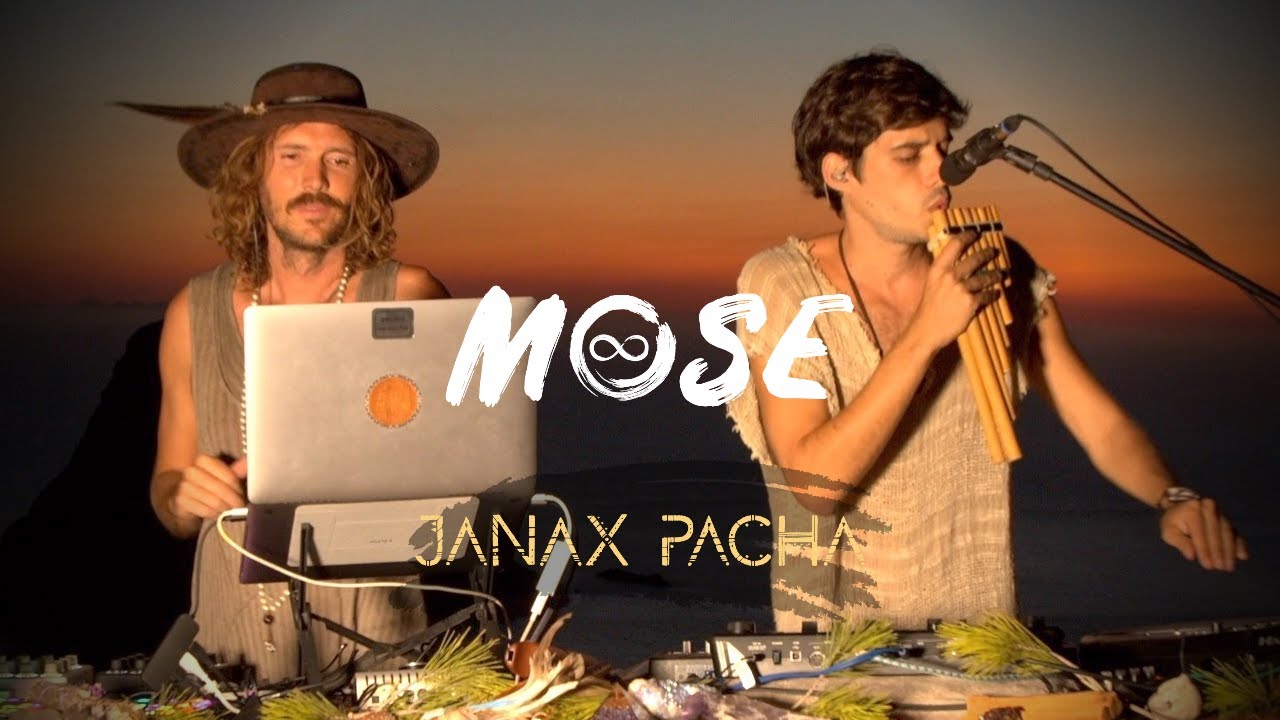
This live performance at Cosmic Convergence 2016 in Guatemala demonstrates how electronic music functions as modern sonic ritual—much like indigenous cultures' use of drumming, chanting, and rattling to induce non-ordinary states of consciousness. Rather than entertainment alone, intentionally designed soundscapes synchronize and desynchronize brainwave patterns, inviting listeners into deep meditative and transcendent experiences. The performance weaves vocal samples, ambient drones, and layered production to create sonic environments that dissolve boundaries between self and space.

読む · 8セクション

What Is Sonic Technology and How Do Ancient Cultures Use It?

At the core of this live set sits a profound observation about indigenous cultures and their relationship to sound. Native cultures historically developed sound technologies—chanting, drumming, rattling—not primarily for entertainment but as empirically refined methods to induce non-ordinary states of consciousness. Rather than haphazard practice, these cultures engaged in what might be called sonic engineering: they observed which rhythmic patterns, frequencies, and timbral combinations produced the deepest trance states, and they refined these methods over generations.

This wasn't mystical guessing. Indigenous sound practitioners understood, long before neuroscience confirmed it, that certain rhythmic patterns could alter brain synchronization and desynchronization. Drumming patterns, for example, don't just produce pleasant sounds—they create specific neural cascades that shift consciousness away from ordinary waking awareness toward states of absorption, dissolution of ego boundaries, and access to different layers of perception.

How Does Electronic Music Mirror Ancient Sonic Ritual?

The distinction Mose's performance illustrates is crucial: while most contemporary electronic music is designed first and foremost to entertain audiences, there exists a parallel lineage that treats electronic production as modern sonic ritual. Rather than abandoning the ancestral knowledge embedded in indigenous sound practices, this approach translates that wisdom into contemporary sonic languages—synthesizers, frequency modulation, layered ambient textures, and digital processing become the modern tools for what drumming and rattling once accomplished.

The live set demonstrates this through deliberate compositional choices. The opening incorporates a drone by Sheila Chandra layered with a quote from Stanislav Grof, the pioneering consciousness researcher. This isn't random pairing; it signals the performance's intention: to work with consciousness itself through sound. The drone serves as a sonic anchor—a stable, unchanging frequency around which other elements orbit—much as a rhythmic pulse in a traditional drum circle provides the foundation for group trance induction.

What Role Does Rhythm Play in Altering Brain States?

Rhythm isn't decorative in sonic ritual; it's functional. Specific tempos and polyrhythmic patterns can entrain brainwave frequencies, pulling listeners' neural activity toward particular frequency bands associated with deep meditation (theta waves) or heightened receptivity (alpha waves). Indigenous cultures discovered empirically that 4-5 beats per second, or slightly slower, tends to produce profound trance states—a frequency window that corresponds to theta brainwave activity.

In electronic music designed with this knowledge, production choices become precision tools. A repetitive kick drum, subtle synth pulse, or layered rhythmic pattern maintains this entrainment over extended periods, allowing a listener's nervous system to gradually relax ordinary vigilance and surrender into a different mode of awareness. The live performance structure—extending single pieces across many minutes—gives brainwave entrainment time to deepen, similar to how a traditional ceremonies might sustain drumming for hours.

How Do Vocal Elements and Samples Deepen the Experience?

Beyond rhythm, the performance incorporates vocal samples and chanting elements—fragments like "I am the Sun so high above, I am the sky"—which function similarly to how mantras or chants operate in traditional practice. Vocal frequencies and specifically chosen words create their own resonance in the body and nervous system. When a vocal phrase repeats within the sonic texture, it becomes a mantra-like element, anchoring attention and intention even as the instrumental layers shift.

The inclusion of Sheila Chandra's opening drone, which carries spiritual weight through its pedigree and context, signals the performance's commitment to this deeper layer of work. A drone is perhaps the most "timeless" sonic element—it exists across cultures and eras precisely because a single sustained tone or pitch creates a field of resonance that quiets mental chatter and focuses consciousness inward.

What Is the Purpose of Extended, Immersive Soundscapes?

One critical difference between entertainment music and ritual music is duration and immersion. Entertainment music typically follows three-to-five-minute song structures designed around attention spans and radio formats. Ritual music, by contrast, often requires extended exposure to achieve its neurological and psychological effects. A trance state doesn't typically arise in 90 seconds; it emerges through 15, 30, 45 minutes of consistent sonic pressure that gradually dissolves the listener's resistance and boundaries.

The performance structure—stretched across 86 minutes—reflects this understanding. Rather than cycling through novelty and variation to hold attention, the music creates deep immersion through repetition, gradual evolution, and hypnotic development. Layers introduce themselves slowly, dissolve, re-form. A listener doesn't track discrete "songs" but instead experiences a continuous sonic journey where clock time becomes irrelevant and interior space opens.

How Do Frequency and Timbre Work as Consciousness Tools?

Beyond rhythm and repetition, the specific frequencies and timbral qualities of electronic production act as consciousness shaping forces. Certain frequencies are associated with particular states: very low frequencies (below 20 Hz, infrasound) can induce feelings of awe, unease, or dissolution of boundary. Mid-range frequencies carry different qualities; high frequencies above 10 kHz create brightness and openness. A skilled producer carefully shapes the frequency content to guide consciousness in particular directions.

The production quality and clarity of electronic music offer advantages over acoustic ritual instruments in this regard: precise frequency control, layering of multiple timbral colors, and subtle modulation become possible in ways traditional drums cannot match. Yet the principle remains the same: sound shapes the inner landscape of the listener's awareness.

What Does "Meeting Yourself" in Meditation Mean in This Context?

A key phrase emerges in the performance's quoted material: "that silent moment when you meet yourself, bound by neither mind nor thought." This phrase, drawn from contemplative traditions, describes a specific state of consciousness that can arise in deep meditative or trance conditions. When ordinary mental chatter quiets—when the inner voice that constantly narrates experience falls silent—what remains? Not emptiness, but a different quality of awareness, a presence that isn't thinking about itself but simply is.

Sonic ritual creates conditions for this meeting. By occupying the mind's auditory attention with repetitive, non-complex patterns, the conscious mind becomes less demanded of; the deeper layers of awareness can surface. In this state, one may experience what traditions call the "witness"—a quality of consciousness that observes without the filter of personal identity, thought patterns, or reactivity. The quoted line "slowly, gently you slip into infinite space" describes this dissolution of spatial boundaries that can accompany such states.

Where to go from here

To explore electronic music as sonic ritual, listen with intention rather than as background. Create a dedicated listening space—darkness, minimal visual stimuli, seated or lying comfortably—and allow extended pieces to work over time rather than sampling briefly. Investigate the lineage of electronic artists who draw explicitly from shamanic and ritual traditions: artists who consider consciousness work, not mere entertainment, as their primary intention. Explore the neuroscience of binaural beats and frequency entrainment to understand the mechanics beneath the art. Consider how your own musical practice might integrate this understanding—whether as a listener, a creator, or both. Finally, recognize in your body what indigenous cultures already knew: sound shapes consciousness, and when applied with intention and care, it becomes one of the most direct technologies we have for collective and individual transformation.

Transcript

[0:03] [Music]

[0:14] [Applause]

[0:18] [Music]

[0:19] [Applause]

[0:28] [Applause]

[0:43] [Music]

[0:45] [Applause]

[0:49] [Music]

[0:52] [Applause]

[0:53] [Music]

[0:56] [Applause]

[0:59] [Music]

[1:00] [Applause]

[1:02] [Music]

[1:06] [Applause]

[1:07] [Music]

[1:16] [Applause]

[1:19] [Music]

[1:23] [Applause]

[1:25] [Music]

[1:28] [Applause]

[1:30] oh

[1:32] [Applause]

[1:32] [Music]

[1:50] [Applause]

[2:00] native cultures developed uh sound

[2:04] Technologies you know chanting or

[2:07] drumming or rattling and so on that is

[2:11] designed

[2:13] to to induce a nonorgan state to to get

[2:17] people into a

[2:19] trend so these cultures uh use this

[2:25] technology not to entertain people like

[2:28] our artist we entertain people but they

[2:32] were looking for what works so they

[2:35] empirically develop drumming GMS that

[2:38] can change the uh synchronization

[2:42] desynchronization in the brain

[2:49] [Music]

[3:13] [Applause]

[3:16] [Music]

[3:17] oh the

[3:25] all love love

[3:38] [Music]

[3:52] oh oh

[3:55] [Music]

[4:03] h

[4:04] [Music]

[4:11] [Music]

[4:58] good go

[5:02] [Music]

[5:07] no all him and

[5:11] [Music]

[5:15] me the gold

[5:21] [Music]

[5:44] native cultures

[5:46] developed sound Technologies you know

[5:50] chanting for drumming for rling and so

[5:53] on that is designed

[5:57] to to induce a non-ordinary State get

[6:01] deep into a TR

[6:04] [Applause]

[6:24] [Music]

[6:37] I

[6:40] [Music]

[7:03] n

[7:05] [Music]

[7:39] [Music]

[8:00] w

[8:02] [Music]

[8:30] is my

[8:32] [Music]

[8:51] [Applause]

[8:51] [Music]

[9:07] [Music]

[9:19] [Music]

[9:25] oh

[9:26] oh

[9:28] oh oh

[9:32] that is designed

[9:35] to to induce a non ordinary state to get

[9:39] people into a TR

[9:44] [Music]

[9:48] [Applause]

[9:52] [Music]

[10:01] [Applause]

[10:04] [Music]

[10:16] oh

[10:18] [Music]

[10:58] L all

[11:04] [Music]

[11:07] the go

[11:10] [Music]

[11:55] [Music]

[12:00] oh

[12:04] [Music]

[12:42] [Applause]

[12:42] [Music]

[12:59] I

[13:04] [Applause]

[13:12] [Music]

[13:26] [Applause]

[13:27] [Music]

[13:59] oh oh

[14:01] [Music]

[14:10] [Music]

[14:16] [Music]

[14:29] oh

[14:31] [Music]

[15:53] [Music]

[16:02] he

[16:05] [Music]

[16:58] [Music]

[17:29] no

[17:31] [Music]

[18:03] oh

[18:12] oh

[18:14] [Music]

[18:25] oh oh

[18:29] oh

[18:34] oh

[18:37] [Music]

[18:43] oh

[18:46] [Music]

[18:51] oh

[18:53] [Music]

[18:56] oh oh

[19:00] oh

[19:05] oh oh

[19:09] [Music]

[19:58] he yeah

[20:00] [Music]

[20:52] oh

[20:59] n

[21:00] [Music]

[21:45] oh

[21:49] oh

[21:54] oh oh

[22:05] [Music]

[22:30] he

[22:34] [Music]

[23:10] [Music]

[23:27] ah a

[23:52] [Music]

[24:00] n

[24:17] [Music]

[24:57] last

[25:07] I am the Sun so high

[25:15] above I am the sky

[25:32] oh

[25:36] [Music]

[25:59] oh

[26:02] [Music]

[26:35] don't know you

[26:41] [Music]

[26:46] [Applause]

[26:49] [Music]

[27:11] you

[27:14] [Music]

[27:28] m

[27:37] [Music]

[28:17] me

[28:18] [Music]

[28:37] [Applause]

[28:38] [Music]

[28:43] you

[28:45] [Music]

[28:49] [Applause]

[28:52] [Music]

[28:53] [Applause]

[28:59] n

[29:02] [Music]

[29:07] [Applause]

[29:09] [Music]

[29:21] [Music]

[29:41] [Music]

[30:26] me

[30:28] [Music]

[30:45] [Applause]

[30:52] was

[31:00] [Music]

[31:19] TR

[31:28] oh

[31:36] [Music]

[32:08] h

[32:09] [Music]

[32:19] [Applause]

[32:30] [Music]

[32:38] [Music]

[32:42] [Applause]

[32:49] [Music]

[32:51] [Applause]

[32:58] [Music]

[32:59] [Applause]

[33:00] [Music]

[33:02] [Applause]

[33:08] [Music]

[33:09] [Applause]

[33:14] [Music]

[33:24] going to be

[33:27] [Applause]

[33:29] morning

[33:36] [Music]

[33:43] [Applause]

[33:43] [Music]

[33:57] [Applause]

[34:03] [Music]

[34:16] oh

[34:19] [Music]

[34:28] oh

[34:30] [Applause]

[34:31] [Music]

[34:58] o

[35:13] [Music]

[35:31] [Music]

[35:45] be

[35:47] [Music]

[35:50] you you

[35:54] [Music]

[36:21] keep up the

[36:24] mountain T morning

[36:30] you

[36:34] [Music]

[37:19] o

[37:23] [Music]

[37:28] h

[37:31] [Music]

[38:08] my

[38:09] [Music]

[38:33] h

[38:43] [Music]

[39:02] [Music]

[40:06] love

[40:08] [Music]

[40:15] [Applause]

[40:20] [Music]

[40:56] oh oh

[41:02] [Music]

[41:56] this

[41:58] [Music]

[42:03] White

[42:04] [Music]

[42:28] a

[42:31] [Applause]

[42:34] [Music]

[43:26] oh oh

[43:45] [Music]

[44:04] come

[44:08] [Music]

[44:22] [Music]

[44:32] [Music]

[44:53] [Applause]

[45:01] [Music]

[45:17] [Applause]

[45:18] [Music]

[45:19] [Applause]

[45:23] love

[45:30] [Applause]

[45:33] son

[45:39] [Music]

[45:58] love

[46:06] [Music]

[46:07] [Applause]

[46:12] [Music]

[46:19] [Applause]

[46:24] [Music]

[46:33] the

[46:41] [Music]

[46:57] oh

[47:02] [Applause]

[47:04] [Music]

[47:15] [Music]

[47:16] [Applause]

[47:20] [Music]

[47:28] hey

[47:29] [Music]

[47:46] [Applause]

[47:46] [Music]

[47:51] [Applause]

[48:02] [Music]

[48:26] f some

[48:28] [Music]

[48:31] [Applause]

[48:35] [Music]

[50:23] [Applause]

[50:52] [Music]

[51:24] [Music]

[51:31] [Music]

[51:50] [Music]

[52:11] oh

[52:13] [Music]

[52:36] oh oh

[52:39] [Music]

[53:02] [Music]

[53:23] p

[53:24] [Music]

[53:33] [Music]

[53:40] [Applause]

[53:41] [Music]

[53:50] [Music]

[53:54] M oh

[53:57] oh

[54:00] [Music]

[54:06] [Music]

[54:15] [Music]

[54:30] oh

[54:35] [Music]

[54:57] [Music]

[55:20] [Music]

[55:24] h

[55:25] [Music]

[55:56] oh

[55:57] [Music]

[56:12] oh oh

[56:23] [Music]

[56:32] [Music]

[56:35] h

[56:37] [Music]

[56:53] [Music]

[57:36] oh

[57:37] [Music]

[58:12] p

[58:14] [Music]

[58:28] she

[58:31] M

[58:32] [Music]

[58:35] oh

[58:39] [Music]

[58:44] oh

[58:46] [Music]

[58:52] oh oh

[58:55] [Music]

[59:10] oh

[59:18] oh oh

[59:28] so

[59:29] [Music]

[59:42] [Music]

[59:55] [Music]

[59:56] oh

[1:00:00] [Music]

[1:00:27] m

[1:00:39] [Music]

[1:00:56] oh

[1:00:59] [Music]

[1:01:07] [Music]

[1:01:33] [Music]

[1:01:53] [Music]

[1:01:56] oh oh

[1:01:58] [Music]

[1:02:06] [Music]

[1:02:55] w a

[1:02:59] [Music]

[1:03:11] [Music]

[1:03:26] [Music]

[1:03:46] [Music]

[1:03:51] oh

[1:03:54] [Music]

[1:03:56] a

[1:04:00] [Music]

[1:04:26] a

[1:04:27] [Music]

[1:04:56] a

[1:05:04] [Music]

[1:05:26] a

[1:05:28] [Music]

[1:05:56] to

[1:05:58] [Music]

[1:05:59] [Applause]

[1:06:02] [Music]

[1:06:28] oh

[1:06:30] [Music]

[1:06:56] m

[1:07:05] [Music]

[1:07:30] [Music]

[1:07:43] a

[1:07:45] [Music]

[1:08:07] [Music]

[1:08:14] [Music]

[1:08:24] n aah

[1:08:28] [Music]

[1:08:49] [Applause]

[1:08:56] a

[1:08:58] [Applause]

[1:09:03] [Music]

[1:09:26] m

[1:09:27] [Music]

[1:09:56] a

[1:09:59] [Music]

[1:10:07] [Applause]

[1:10:13] [Music]

[1:10:24] [Applause]

[1:10:28] [Music]

[1:10:29] [Applause]

[1:10:30] [Music]

[1:10:32] [Applause]

[1:10:38] [Music]

[1:10:44] [Applause]

[1:11:22] deep bitting weightlessness

[1:11:27] exists that silent

[1:11:31] moment when you meet

[1:11:38] yourself Bound by neither mind nor

[1:11:42] [Applause]

[1:11:43] thought

[1:11:46] slowly

[1:11:48] gently you slip into Infinite Space

[1:11:53] [Applause]

[1:11:55] [Music]

[1:11:56] [Applause]

[1:11:57] [Music]

[1:12:12] [Applause]

[1:12:23] Infinite Space

[1:12:26] w

[1:12:34] [Music]

[1:12:57] n

[1:12:59] [Music]

[1:13:10] [Applause]

[1:13:11] [Music]

[1:13:25] oh

[1:13:36] [Music]

[1:13:55] oh

[1:13:57] [Applause]

[1:14:02] [Music]

[1:14:25] oh

[1:14:27] [Music]

[1:15:20] a

[1:15:22] [Music]

[1:15:29] uh

[1:15:32] [Music]

[1:15:40] [Applause]

[1:15:41] [Music]

[1:15:56] nah

[1:15:57] [Music]

[1:16:11] [Applause]

[1:16:15] [Music]

[1:16:19] [Applause]

[1:16:22] [Music]

[1:16:41] nah

[1:16:46] [Applause]

[1:17:03] [Music]

[1:17:10] deep fting

[1:17:13] weightlessness exists that silent

[1:17:19] moment when you meet yourself

[1:17:26] Bound by neither mind nor

[1:17:31] thought

[1:17:34] slowly

[1:17:36] gently you slip into Infinite Space

[1:17:43] [Music]

[1:18:23] uh

[1:18:31] uhh

[1:18:34] [Music]

[1:18:55] a

[1:18:59] [Music]

[1:19:00] [Applause]

[1:19:03] [Music]

[1:19:19] [Applause]

[1:19:36] [Music]

[1:19:45] he

[1:19:47] [Music]

[1:19:59] [Music]

[1:20:10] I my

[1:20:30] [Music]

[1:20:43] Bur

[1:20:56] we

[1:21:03] [Music]

[1:21:08] [Music]

[1:21:25] a

[1:21:27] [Music]

[1:21:49] [Music]

[1:22:06] [Music]

[1:22:24] oh

[1:22:34] way

[1:22:39] [Music]

[1:22:56] [Music]

[1:23:19] [Music]

[1:23:32] [Music]

[1:23:53] oh oh

[1:23:56] [Music]

[1:24:05] [Music]

[1:24:25] he

[1:25:04] [Music]

[1:25:08] oh

[1:25:11] [Music]

[1:25:53] he ah

[1:25:56] [Music]

[1:26:23] [Applause]

[1:26:30] [Music]

Mose
著者Mose

Mississippi-born pianist and singer who blended jazz and blues with witty storytelling, influencing generations of rock and R&B artists from Jimi Hendrix to The Rolling Stones.

プロフィールを見るウェブサイト
トピックを見る
Sound-ritualConsciousness-statesElectronic-musicFrequency-entrainmentBrainwave-synchronization

ご質問はありますか?

よくある質問

Native cultures empirically developed specific rhythmic patterns—particularly in the 4-5 beats-per-second range—that entrain brainwave activity, pulling neural frequencies into theta-wave ranges associated with deep trance. These patterns were refined over generations through direct observation of what produces non-ordinary consciousness, not through guesswork.
Ritual music prioritizes consciousness work over novelty; entertainment music cycles through variation to hold attention. Ritual music uses extended duration (30+ minutes), repetition, and carefully designed frequencies to gradually dissolve ordinary awareness and create deep meditative or trance states.
Yes, but with added precision. Electronic tools allow exact frequency control, complex layering, and timbral subtlety that traditional instruments cannot match. The principle is identical—sound shapes consciousness—but electronic music offers new possibilities for implementation.
This phrase describes dissolution of spatial and temporal boundaries that occurs in deep meditative states. When mental chatter quiets and the observing mind becomes available, perception shifts from the ordinary sense of self-in-space to a boundless awareness sometimes called the 'witness.'
True trance induction typically requires 15-45 minutes of consistent sonic pressure before ordinary mental resistance dissolves. This is why ritual music uses extended formats rather than three-minute songs designed for attention-span limits.
Infrasound (below 20 Hz) can induce awe or boundary dissolution; mid-range frequencies carry different emotional and perceptual qualities; high frequencies (above 10 kHz) create brightness and openness. Skilled producers shape frequency content deliberately to guide specific states.
Yes—this is called frequency entrainment. Research shows that repetitive rhythmic stimulation at specific tempos can entrain neural activity to match that frequency, pulling consciousness toward associated states like deep meditation or heightened receptivity.

読みつづける

More from Mose

すべて表示
Cacao Ceremony & Dance Meditation at Lago de Chapala
Featured

Cacao Ceremony & Dance Meditation at Lago de Chapala

Mose and Sam Garrett lead a live cacao-guided ceremony blending sacred music, movement, and Tonantzin celebration on Mexico's largest lake.…

1 min read
Improvised Live Electronic Music: Channeling Energy Through Sound
Featured

Improvised Live Electronic Music: Channeling Energy Through Sound

A live electronic performance filmed at Es Vedra during the full moon equinox explores how musicians improvise together in real-time, lettin…

1 min read
Transcendental Sound: How Kirtan Awakens the Heart
Featured

Transcendental Sound: How Kirtan Awakens the Heart

The maha-mantra purifies the mind and awakens divine nature. Radhika Das leads a live kirtan exploring how sacred sound heals and unites col…

1 min read
Thursday Night Satsang and Kirtan: Chanting, Community, and Sacred Practice
Featured

Thursday Night Satsang and Kirtan: Chanting, Community, and Sacred Practice

Krishna Das leads a live satsang kirtan in NYC, blending devotional chanting with teachings on mortality, sacred geography, and the transfor…

1 min read

探索を続ける

旅をつづける

BrightStarのディレクトリから、さらなる智慧と集いを。

もっと記事を読む

教え、インタビュー、ガイドのライブラリ全体をご覧ください。

すべての記事に戻る →

講師とアーティスト

コンシャスな世界の系譜、音楽家、導き手を探しましょう。

アーティストを探す →

イベントを見つける

キルタン、リトリート、サウンドバス、ブレスワーク、フェスティバル — まもなく開かれます。

イベントを見る →