EveryEvent San Diego

すべてのEventsを見る

Find every event in San Diego

events

Concerts & Live Music
Festivals
Sports & Recreation
Food & Drink
Arts & Culture
Community
Family & Kids
Nightlife
Comedy
Theater
人気の目的地
BaliSedonaLos AngelesCosta RicaNew YorkSan FranciscoAustinMiamiJoshua TreeTulum
すべてのカテゴリを見るすべての目的地を見る

すべての機能を探索

イベントを成長させる強力なツール

プラットフォーム機能

スマートダイナミックプライシング
チケットカテゴリ
座席指定
カート放棄リカバリー
訪問者リカバリー
寄付とスライディングスケール
アフィリエイトシステム
チケットスキャナー
クーポンコード
カスタム質問
チケット共有
アップセルとアドオン
分析とレポート
メールシーケンス
ウェイトリスト / 通知 / リマインダー
探索
Discovery HubArtists & PerformersVenuesKnowledge Base
すべての機能を見る私たちについて
料金ブログ
Language
Saved events
すべてのイベントを見る

events

Concerts & Live MusicFestivalsSports & RecreationFood & DrinkArts & CultureCommunityFamily & KidsNightlife

人気の目的地

BaliSedonaLos AngelesCosta RicaNew YorkSan Francisco

探索

Discovery HubArtists & PerformersVenuesKnowledge Base

プラットフォーム機能

スマートダイナミックプライシングチケットカテゴリ座席指定カート放棄リカバリー訪問者リカバリー寄付とスライディングスケールアフィリエイトシステムチケットスキャナークーポンコードカスタム質問チケット共有アップセルとアドオン分析とレポートメールシーケンスウェイトリスト / 通知 / リマインダー
すべての機能を見る私たちについて
料金ブログ
ログイン新規登録イベント主催者
  • Browse All Events
  • Concerts & Live Music
  • Festivals
  • Sports & Recreation
  • Food & Drink
  • Arts & Culture
  • Community
  • Family & Kids
  • Nightlife
  • すべてのカテゴリ →
  • Los Angeles
  • Tijuana
  • Palm Springs
  • Joshua Tree
  • Temecula
  • All Destinations →
  • For Promoters
  • For Artists
  • For Venues
  • For Festivals
  • For Event Spaces
  • For Nonprofits
  • For Bloggers
  • For Speakers
  • Brand Ambassador
  • Case Studies
  • 35万人以上のバイヤーネットワーク
  • カート放棄リカバリー
  • スマートダイナミックプライシング
  • チケットカテゴリ
  • 定期イベント
  • 座席指定
  • アフィリエイトシステム
  • ウェイトリスト / 通知
  • チケットスキャナー
  • 埋め込みウィジェット
  • イベント配信
  • メッセージセンター
  • インテグレーション
  • レポート
  • すべての機能 →
  • 概要
  • エコシステム
  • ブログ
  • 用語集
  • インスピレーション
  • ヘルプセンター
  • お問い合わせ
  • APIドキュメント
  • ブランドアセット
  • 採用
  • プレス
  • 利用規約
  • プライバシーポリシー

Events

  • Browse All Events
  • Concerts & Live Music
  • Festivals
  • Sports & Recreation
  • Food & Drink
  • Arts & Culture
  • Community
  • Family & Kids
  • Nightlife
  • すべてのカテゴリ →

Getaways

  • Los Angeles
  • Tijuana
  • Palm Springs
  • Joshua Tree
  • Temecula
  • All Destinations →

For Organizers

  • For Promoters
  • For Artists
  • For Venues
  • For Festivals
  • For Event Spaces
  • For Nonprofits
  • For Bloggers
  • For Speakers
  • Brand Ambassador
  • Case Studies

機能

  • 35万人以上のバイヤーネットワーク
  • カート放棄リカバリー
  • スマートダイナミックプライシング
  • チケットカテゴリ
  • 定期イベント
  • 座席指定
  • アフィリエイトシステム
  • ウェイトリスト / 通知
  • チケットスキャナー
  • 埋め込みウィジェット
  • イベント配信
  • メッセージセンター
  • インテグレーション
  • レポート
  • すべての機能 →

会社

  • 概要
  • エコシステム
  • ブログ
  • 用語集
  • インスピレーション
  • ヘルプセンター
  • お問い合わせ
  • APIドキュメント
  • ブランドアセット
  • 採用
  • プレス
  • 利用規約
  • プライバシーポリシー
EveryEvent
© 2026 EveryEvent San Diego. 全著作権所有.
Inspiration

Environmental Collapse and Collective Awakeningin "In the Shallows"

Mirabai Ceiba
Mirabai Ceiba
Nov 12, 2019
読了 約6分
視聴 · 6

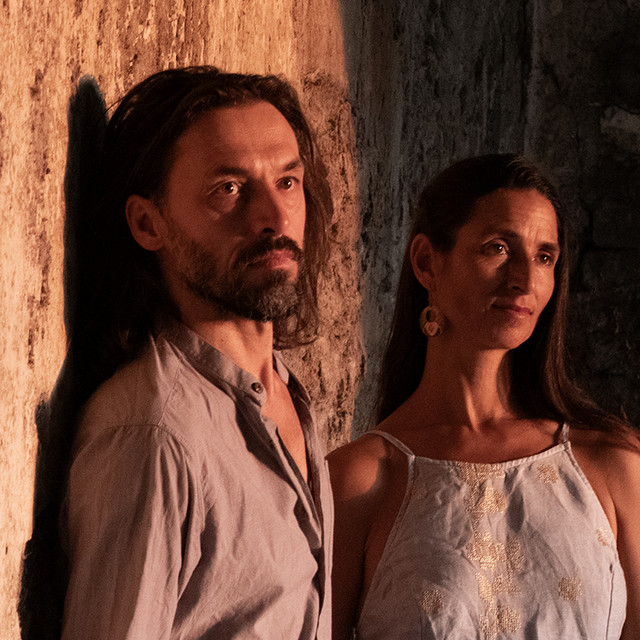
Pema Sukhmani's "In the Shallows" is a kirtan song that uses the metaphor of shallow water—where reflection is impossible and steps are missing—to articulate ecological devastation and humanity's loss of planetary consciousness. The song moves from visual observation of environmental harm (through albatross footage and seed-to-plant imagery) to an urgent collective call: notice what we are doing, notice what we are harming, and rebuild our minds together to raise the planet.

読む · 7セクション

What Does "In the Shallows" Actually Mean?

The title and central image anchor the song's deeper meaning. Shallows are places where reflection cannot occur—water too thin to mirror back what stands above it. In this song, the shallows function as both literal ecological space and metaphor for human consciousness cut off from awareness of its own impact.

Sukhmani sings: "In the shallows there is missing a step / There is no reflection in the shallows." This doubled negation—missing steps and absent reflection—suggests a kind of disorientation. We are walking through spaces we have damaged without seeing ourselves, without recognizing our footprints. The shallows become the space of unconscious destruction: we move through them, but we cannot see what we are.

The opening verses establish this loneliness: "In the shallows where I walk alone / The beach side alone." This solitude is not peaceful meditation; it is isolation born of disconnection. The speaker walks in a damaged ecosystem, alone with the consequences of collective harm.

How Does the Song Name Environmental Destruction?

The song names what it observes directly. The most explicit lines arrive in the central movement: "The shallows are soon giving up / For all the things we have done to them." Here, the shallows—standing in for coastal ecosystems, oceans, and the biosphere itself—are depicted as surrendering. They are exhausted by human harm.

The paired phrases that follow intensify this recognition: "We are firing, we are tiring / To all the places we have been." The homophone play between "firing" and "tiring" collapses destruction into fatigue. We are both actively destroying (firing) and burning out the places we visit. The repetition signals compulsion—a habitual pattern of harm.

The song's visual content, filmed in Corfu, Greece, and accompanied by projected footage from Chris Jordan's documentary Albatross and Daniel Csobot's seed-to-plant time-lapse, reinforces this theme. The albatross footage—likely depicting the film's central image of plastic-filled bird corpses—makes explicit what the lyrics suggest: oceans are filling with human waste. The seed-to-plant footage, by contrast, shows natural potential and regeneration, highlighting the gap between what the planet can produce and what we destroy.

What Is the Call to Collective Awareness?

At the song's turning point, the address shifts from observation to demand: "Now notice us, notice what we are doing / Now notice us, notice what we are harming." This repeated plea is not gentle. It is insistent, almost aggressive in its directness. Notice—pay attention. See what we are doing. Acknowledge what we are harming.

This is a call for collective accountability. The use of "us" implicates the listener in the action. We are all doing this. We are all harming. There is no distance between singer and listener, between observer and participant. The song refuses the comfort of pointing fingers at distant "others" responsible for environmental destruction.

What follows is equally stark: "There is a hidden world behind you, / Behind your back." This suggests that awareness itself has turned away from us. The living world continues behind our backs—we have become inattentive to it, or worse, we actively ignore it while it suffers.

How Does the Song Frame Collective Loss?

One of the most profound moments arrives in the bridge: "Now help yourself, I am lost / You are lost, everyone's lost / We have lost who the planet was." This stanza moves through stages of recognition, from individual confusion to collective disorientation to a loss so deep it erases identity itself. We have lost who the planet was—not just what it provided, but its essential being, its character, its aliveness as known to us.

The repetition of "we are firing, we are tiring / to all the places we've been" underscores that this is not new. We have done this for a long time. The places "we have been" are places we have damaged through our very presence. Tourism, extraction, habitation, consumption—all the ways human beings move through the world—leave trails of exhaustion.

What Is the Song's Call to Action?

Rather than despair, the song pivots toward agency: "It's time to raise the planet / Let's build our minds together, let's start right now." The imperative is clear: collective consciousness must be rebuilt. Not individual enlightenment or personal transformation, but shared mental and emotional reconstruction.

"Let's build our minds together" suggests that the planetary crisis is fundamentally a crisis of collective cognition. We think separately, in isolation, pursuing individual interests. The song calls for a different mode of thinking—interconnected, shared, aligned with planetary need rather than individual gain.

"Let's start right now" refuses delay. There is no time for gradual awakening or incremental change. The urgency is absolute. The shallows are giving up. The moment is now.

What Does the Repeated Return to "In the Shallows" Accomplish?

The song returns to its opening image: "In the shallows there is missing a step / There is no reflection in the shallows." This return is not comfort or resolution. It is a reminder. Even after the call to action, after the plea for collective awareness, we remain in the shallows. The water is still too shallow for reflection. We are still walking without seeing ourselves.

This cyclical structure suggests that the song is not offering a narrative arc toward salvation. Instead, it holds the tension: we know what we must do (notice, build our minds together, raise the planet), yet we remain in the condition that prevents us from seeing what we are doing. The song does not resolve this tension; it insists that we live within it, awake to the paradox of knowing and not-knowing simultaneously.

Where to Go From Here

Listen to "In the Shallows" not as a finished meditation but as an ongoing invitation. The song asks: What am I not noticing about my impact on the places I inhabit? Where am I walking alone, disconnected from the consequences of my presence? What would it mean to rebuild my mind in connection with others, oriented toward planetary healing rather than individual extraction?

The kirtan form—call and response, repetition, musical meditation—invites listeners to enter the song's consciousness rather than observe it from outside. Singing or listening deeply to the lyrics creates a practice of noticing, of allowing the song's ecological awareness to move through your own awareness. In this way, the song itself becomes a tool for the collective mind-building it calls for.

Transcript

[0:00] shallows thoris missing step there is no

[0:05] reflection the shallows shallows third

[0:12] sink step there is no reflections the

[0:20] shallows where I walk along the beach

[0:24] sorry run in the shallows where I walk

[0:30] along the beach son Aiden in the

[0:38] shallows there is missing step there is

[0:41] no reflection in the shallows Thoris

[0:49] missing step there is no reflection in

[0:54] the shallows shallows our son giving up

[1:01] for all the things we have done to them

[1:06] the shadows your son giving up for all

[1:10] the things we have done to them we are

[1:16] falling we are talking to old places

[1:21] within we are falling leotard

[1:27] to all the places we've been

[1:32] now notices and notice what we're doing

[1:38] now notices notice what were harming

[1:46] now notices notice what we're doing

[1:54] now notice us notice what

[2:02] it's time to peruse the planet it's time

[2:11] to freeze the planet let's fill our

[2:18] minds together let's start right now

[2:24] let's fill our minds together let's

[2:29] start right now there's a behind you

[2:39] behind your back

[2:42] there's a living world behind me behind

[2:47] your back now yourself I'm lost you're

[2:56] lost everyone's nose now help yourself

[3:01] from lost you're lost everyone's nose we

[3:09] have lost

[3:15] we have lost the planet we are funding

[3:27] we are talking to old places we've been

[3:32] we are falling we are talking to all the

[3:38] places we've been

[3:42] now notices notice what we're doing

[3:49] now notice us notice what were me

[3:57] now notices notice what we're doing now

[4:05] notices notice what it's time to raise

[4:15] the planner it's time to face the planet

[4:29] shall lose their sing stuff there is no

[4:34] reflection

[4:40] shambo's barrister

[4:46] [Music]

Mirabai Ceiba
著者Mirabai Ceiba

The music of Mirabai Ceiba draws the listener into a gossamer web of gently plucked strings, stately piano arpeggios, subtle vocal interplay and poetic lyricism. The sound is easy…

プロフィールを見るウェブサイト
トピックを見る
Environmental-collapseCollective-consciousnessKirtan-musicPlanet-healingEco-awareness

ご質問はありますか?

よくある質問

The song uses shallow water as a metaphor for ecological damage and human unconsciousness. In shallows, there is no reflection—suggesting we walk through damaged ecosystems without seeing ourselves or acknowledging what we have harmed. The shallows represent spaces where we operate without awareness of our impact.
Yes. The song directly names ecological collapse: 'The shallows are soon giving up / For all the things we have done to them.' It uses imagery of albatross (plastic pollution) and natural growth to highlight the gap between planetary capacity and human destruction, while calling for collective awareness and action.
This repeated plea asks listeners to pay attention to humanity's collective impact. The song refuses to allow distant blame; it implicates 'us'—all of us—in environmental harm, demanding acknowledgment rather than denial or indifference.
Repetition is central to the kirtan tradition, which uses call-and-response and musical meditation to deepen awareness. The repeated return to 'In the shallows there is missing a step' reinforces the song's core image and invites listeners to practice noticing, rather than offering a linear narrative resolution.
The song calls for collective consciousness-rebuilding: 'It's time to raise the planet / Let's build our minds together, let's start right now.' It suggests that planetary healing requires shared, aligned thinking and immediate action—not individual solutions but interconnected awareness and agency.
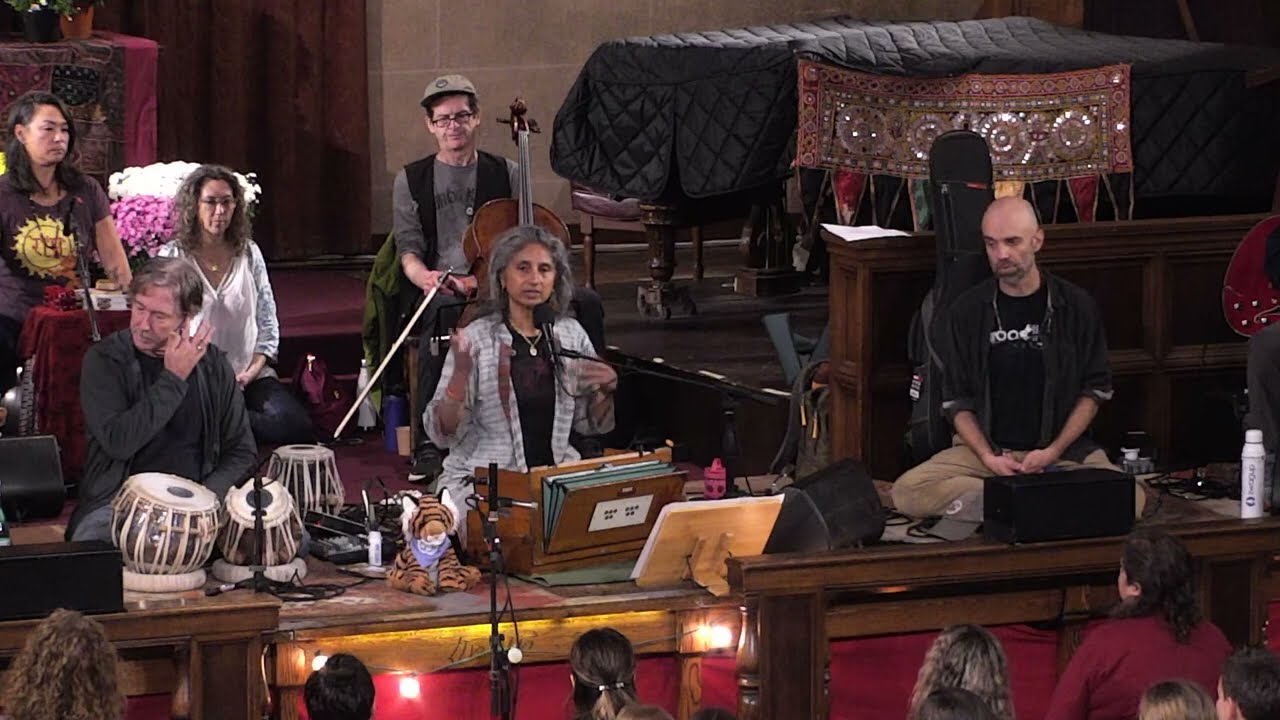
Pema Sukhmani Sieber is a kirtan artist and songwriter. Damien Rice, an acclaimed singer-songwriter and producer, recorded and mixed the song in Reykjavik, bringing his production expertise to this ecological meditation.

読みつづける

More from Mirabai

すべて表示
Night Wind: A Sacred Song Born in Finnish Silence
Featured

Night Wind: A Sacred Song Born in Finnish Silence

Mirabai Ceiba's "Night Wind" emerged from a secluded Finnish cabin during the white nights—a meditation on wind, longing, and the songs natu…

1 min read
Lady of the Well: Grief Transformed Into Song and Remembrance
Featured

Lady of the Well: Grief Transformed Into Song and Remembrance

A musical tribute to friendship and loss, where two singers channel grief into transformation, guided by the metaphor of water and wind conn…

1 min read
Chanting Together: The Sacred Practice of Kirtan
Featured

Chanting Together: The Sacred Practice of Kirtan

A Thursday night satsang showcases the transformative power of collective chanting, weaving Sanskrit invocations with musical ensemble and d…

1 min read
How Your Consciousness Affects All Humanity
Featured

How Your Consciousness Affects All Humanity

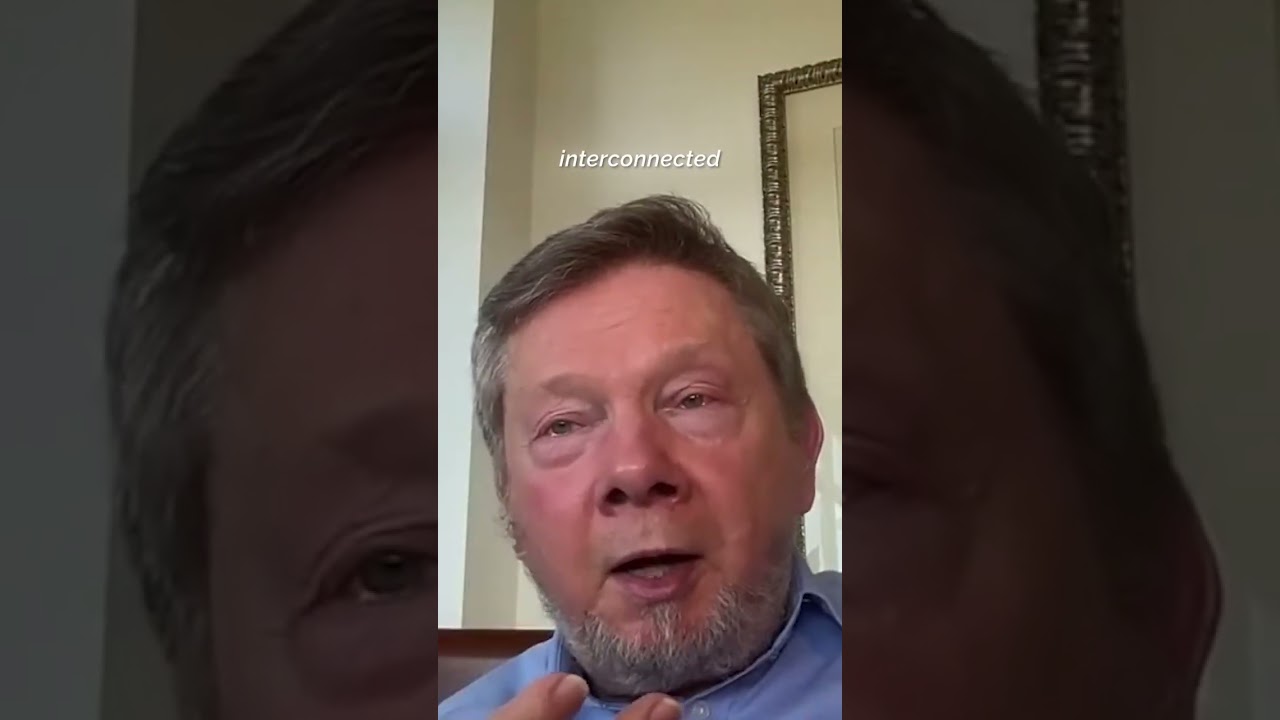
Your state of consciousness is never purely personal—it ripples through the collective human consciousness. Explore how individual awareness…

1 min read

探索を続ける

旅をつづける

BrightStarのディレクトリから、さらなる智慧と集いを。

もっと記事を読む

教え、インタビュー、ガイドのライブラリ全体をご覧ください。

すべての記事に戻る →

講師とアーティスト

コンシャスな世界の系譜、音楽家、導き手を探しましょう。

アーティストを探す →

イベントを見つける

キルタン、リトリート、サウンドバス、ブレスワーク、フェスティバル — まもなく開かれます。

イベントを見る →