EveryEvent San Diego

すべてのEventsを見る

Find every event in San Diego

events

Concerts & Live Music
Festivals
Sports & Recreation
Food & Drink
Arts & Culture
Community
Family & Kids
Nightlife
Comedy
Theater
人気の目的地
BaliSedonaLos AngelesCosta RicaNew YorkSan FranciscoAustinMiamiJoshua TreeTulum
すべてのカテゴリを見るすべての目的地を見る

すべての機能を探索

イベントを成長させる強力なツール

プラットフォーム機能

スマートダイナミックプライシング
チケットカテゴリ
座席指定
カート放棄リカバリー
訪問者リカバリー
寄付とスライディングスケール
アフィリエイトシステム
チケットスキャナー
クーポンコード
カスタム質問
チケット共有
アップセルとアドオン
分析とレポート
メールシーケンス
ウェイトリスト / 通知 / リマインダー
探索
Discovery HubArtists & PerformersVenuesKnowledge Base
すべての機能を見る私たちについて
料金ブログ
Language
Saved events
すべてのイベントを見る

events

Concerts & Live MusicFestivalsSports & RecreationFood & DrinkArts & CultureCommunityFamily & KidsNightlife

人気の目的地

BaliSedonaLos AngelesCosta RicaNew YorkSan Francisco

探索

Discovery HubArtists & PerformersVenuesKnowledge Base

プラットフォーム機能

スマートダイナミックプライシングチケットカテゴリ座席指定カート放棄リカバリー訪問者リカバリー寄付とスライディングスケールアフィリエイトシステムチケットスキャナークーポンコードカスタム質問チケット共有アップセルとアドオン分析とレポートメールシーケンスウェイトリスト / 通知 / リマインダー
すべての機能を見る私たちについて
料金ブログ
ログイン新規登録イベント主催者
  • Browse All Events
  • Concerts & Live Music
  • Festivals
  • Sports & Recreation
  • Food & Drink
  • Arts & Culture
  • Community
  • Family & Kids
  • Nightlife
  • すべてのカテゴリ →
  • Los Angeles
  • Tijuana
  • Palm Springs
  • Joshua Tree
  • Temecula
  • All Destinations →
  • For Promoters
  • For Artists
  • For Venues
  • For Festivals
  • For Event Spaces
  • For Nonprofits
  • For Bloggers
  • For Speakers
  • Brand Ambassador
  • Case Studies
  • 35万人以上のバイヤーネットワーク
  • カート放棄リカバリー
  • スマートダイナミックプライシング
  • チケットカテゴリ
  • 定期イベント
  • 座席指定
  • アフィリエイトシステム
  • ウェイトリスト / 通知
  • チケットスキャナー
  • 埋め込みウィジェット
  • イベント配信
  • メッセージセンター
  • インテグレーション
  • レポート
  • すべての機能 →
  • 概要
  • エコシステム
  • ブログ
  • 用語集
  • インスピレーション
  • ヘルプセンター
  • お問い合わせ
  • APIドキュメント
  • ブランドアセット
  • 採用
  • プレス
  • 利用規約
  • プライバシーポリシー

Events

  • Browse All Events
  • Concerts & Live Music
  • Festivals
  • Sports & Recreation
  • Food & Drink
  • Arts & Culture
  • Community
  • Family & Kids
  • Nightlife
  • すべてのカテゴリ →

Getaways

  • Los Angeles
  • Tijuana
  • Palm Springs
  • Joshua Tree
  • Temecula
  • All Destinations →

For Organizers

  • For Promoters
  • For Artists
  • For Venues
  • For Festivals
  • For Event Spaces
  • For Nonprofits
  • For Bloggers
  • For Speakers
  • Brand Ambassador
  • Case Studies

機能

  • 35万人以上のバイヤーネットワーク
  • カート放棄リカバリー
  • スマートダイナミックプライシング
  • チケットカテゴリ
  • 定期イベント
  • 座席指定
  • アフィリエイトシステム
  • ウェイトリスト / 通知
  • チケットスキャナー
  • 埋め込みウィジェット
  • イベント配信
  • メッセージセンター
  • インテグレーション
  • レポート
  • すべての機能 →

会社

  • 概要
  • エコシステム
  • ブログ
  • 用語集
  • インスピレーション
  • ヘルプセンター
  • お問い合わせ
  • APIドキュメント
  • ブランドアセット
  • 採用
  • プレス
  • 利用規約
  • プライバシーポリシー
EveryEvent
© 2026 EveryEvent San Diego. 全著作権所有.
Inspiration

Samba Sadashiva: Sacred Chant& Devotional Music

Donna De Lory
Donna De Lory
Jul 26, 2016
読了 約5分

Samba Sadashiva is a devotional chant performance by kirtan artist Donna De Lory, featured on her 2016 album The Lover & The Beloved. The piece weaves together Sanskrit mantra invocation (likely referencing Sadashiva, a form of Shiva representing pure consciousness) with rhythmic, samba-influenced musicality, creating a contemporary expression of ancient Hindu devotional practice that honors both the transcendent aspect of divine consciousness and the sensual, embodied experience of kirtan singing.

読む · 7セクション

What is Samba Sadashiva?

Samba Sadashiva combines two distinct musical and spiritual traditions. Samba refers to the Brazilian rhythm and dance form characterized by infectious, syncopated groove and community participation. Sadashiva

How does kirtan function as a spiritual practice?

Kirtan—the call-and-response devotional singing tradition rooted in Indian classical and bhakti traditions—operates as a gateway to direct spiritual experience. Unlike passive listening, kirtan invites the participant (whether singer or listener) into a shared sonic field where repetition of divine names and mantras creates altered states of awareness. The rhythmic, musical elements serve not as decoration but as containers for mantric energy. When sung with intention, the vibration of Sanskrit syllables is understood in yogic philosophy to activate corresponding energy channels (nadis) in the subtle body. Donna De Lory's approach, particularly in pieces that integrate world music rhythms like samba, democratizes this practice—making it accessible to contemporary audiences while preserving the underlying reverence for the divine names being invoked.

What does the album "The Lover & The Beloved" explore thematically?

The title The Lover & The Beloved alludes to the classical Sufi and Hindu devotional framework in which the soul (lover) seeks union with the divine (beloved). This is not a sentimental or romantic love in the conventional sense, but rather bhakti—the yoga of devotion in which the seeker's entire being is oriented toward communion with the infinite. By including a piece like Samba Sadashiva within this album, De Lory suggests that this yearning and union can be expressed through many musical languages and cultural traditions. The album as a whole appears to honor the diversity of devotional forms while pointing toward a unified truth: that the longing for connection with the sacred is universal and can sing itself into being through rhythm, voice, and intention.

Why does Donna De Lory blend traditional mantras with contemporary world music?

De Lory's integration of samba rhythm with Sanskrit mantra reflects a conscious choice to meet modern listeners where they are—in bodies that recognize groove, in ears shaped by global musical exposure, in hearts that may not have been raised in Hindu or kirtan traditions but remain spiritually hungry. By refusing the false choice between "authentic" Indian classical forms and contemporary accessibility, she models a practice of respectful cultural bridge-building. The samba rhythm does not dilute the mantra's power; instead, it grounds the invocation in joy, movement, and the vitality of embodied presence. This approach honors both the source tradition (the Sanskrit invocation of Sadashiva) and the contemporary practitioner's need for music that speaks to the whole person—not only intellect or spirit, but also body, emotion, and the pleasure of rhythm.

What is the significance of invoking Sadashiva specifically?

In the Shaiva (Shiva-centered) traditions of Hinduism, Sadashiva represents consciousness in its most primordial, undifferentiated state—the "eternal Shiva" from which all manifestation emerges. Unlike Shiva as destroyer or cosmic dancer, Sadashiva is often meditated upon as the ground of being itself, unchanging and infinite. The invocation of Sadashiva in a devotional chant is an acknowledgment that beneath all phenomena, all diversity, all individual identity, there exists a unified consciousness. When this invocation is sung—when it becomes kinetic and rhythmic rather than merely conceptual—the practitioner moves from intellectual understanding toward direct resonance with that infinite awareness. The fact that it is sung as Samba Sadashiva, infused with joy and movement, suggests a path of devotion that does not require renunciation of the world or the body, but rather a sacred yes to both consciousness and its expression in form.

How does repetition function in mantra practice?

Mantra repetition—whether spoken, chanted, or sung—works through the principle of resonance. In yogic philosophy, each sound (or bija, seed sound) carries a specific vibration and corresponds to particular states of consciousness and energy. The repetition of a mantra like "Sadashiva" is not mindless recitation but a deliberate attunement to the frequency that name carries. With repetition, the mind quiets its habitual chatter and begins to oscillate at the same frequency as the mantra itself. The addition of rhythm (especially the infectious, body-friendly rhythm of samba) strengthens this effect by engaging additional neurological and energetic systems. Rather than creating a dissociative trance, the repetition in a well-performed kirtan piece like Samba Sadashiva often produces a state of alert presence—awareness sharpened and unified through the convergence of sound, breath, rhythm, and intention.

Where to go from here

Listeners drawn to Samba Sadashiva might explore the full album The Lover & The Beloved to understand how De Lory develops her unique approach across multiple pieces. For those interested in the deeper philosophy behind Sadashiva and Shaiva tantra, texts like the Shiva Sutras or contemporary commentaries by teachers like Kashmir Shaivism scholars offer conceptual grounding. To engage the practice more actively, seek out live kirtan events in your area or explore recordings by other contemporary kirtan artists (such as Krishna Das, Jai Uttal, or Wah!) to hear how different practitioners approach the call-and-response tradition. If you wish to sing mantras yourself, begin with simple practices: learn a basic mantra like "Om Namah Shivaya" or "Samba Sadashiva," and allow yourself 10–20 minutes of repetition daily, noticing shifts in mood, energy, and awareness. Finally, recognize that kirtan need not be tied to belief in any particular theology—it can simply be experienced as a sonic and vibrational practice that attunes the nervous system toward peace and presence.

Donna De Lory
著者Donna De Lory

A multi-talented vocalist and producer who rose to prominence as Madonna's longtime backup singer, now creating spiritually-infused world music that blends pop sensibility with dev…

プロフィールを見るウェブサイト
トピックを見る
KirtanMantraSadashivaDevotional-musicSacred-chant

ご質問はありますか?

よくある質問

Samba Sadashiva combines Brazilian samba rhythm with the Sanskrit invocation of Sadashiva, a primordial form of Shiva representing pure, eternal consciousness. The piece is a devotional chant that fuses rhythmic, embodied musicality with the mantra invocation of the infinite divine.
Donna De Lory is a contemporary kirtan artist and singer-songwriter who integrates Sanskrit mantras with world music traditions, including samba, jazz, and world rhythms. She has released multiple albums including 'The Lover & The Beloved,' blending spiritual practice with accessible, contemporary musical expression.
Kirtan is a call-and-response devotional singing practice rooted in Hindu and Sufi traditions that invokes divine names through rhythm and repetition. Unlike silent meditation, kirtan engages the voice, breath, and body, making it an active, participatory path that can create altered states of consciousness and community connection.
In yogic philosophy, mantra repetition works through vibration and resonance to attune consciousness to specific frequencies associated with divine names or principles. The repeated chanting of a mantra quiets the mind's habitual activity and aligns awareness with the energy and consciousness that the mantra invokes.
Yes. While rooted in Hindu and yogic traditions, mantra and kirtan can be engaged as sonic and vibrational practices that work on the nervous system and consciousness regardless of theological belief. Many modern practitioners approach them as tools for presence, peace, and attunement rather than as religious doctrine.
Sadashiva (or Mahadeva) represents consciousness in its most primordial, undifferentiated state—the eternal ground of being from which all manifestation emerges. Invoking Sadashiva is an acknowledgment of the unified consciousness that underlies all diversity and individual identity.
World music rhythms like samba ground mantra invocation in joy, movement, and embodied presence, making ancient spiritual practices accessible to contemporary listeners. The rhythm engages the nervous system and body in addition to the mind, creating a more holistic spiritual experience.

読みつづける

More from Donna

すべて表示
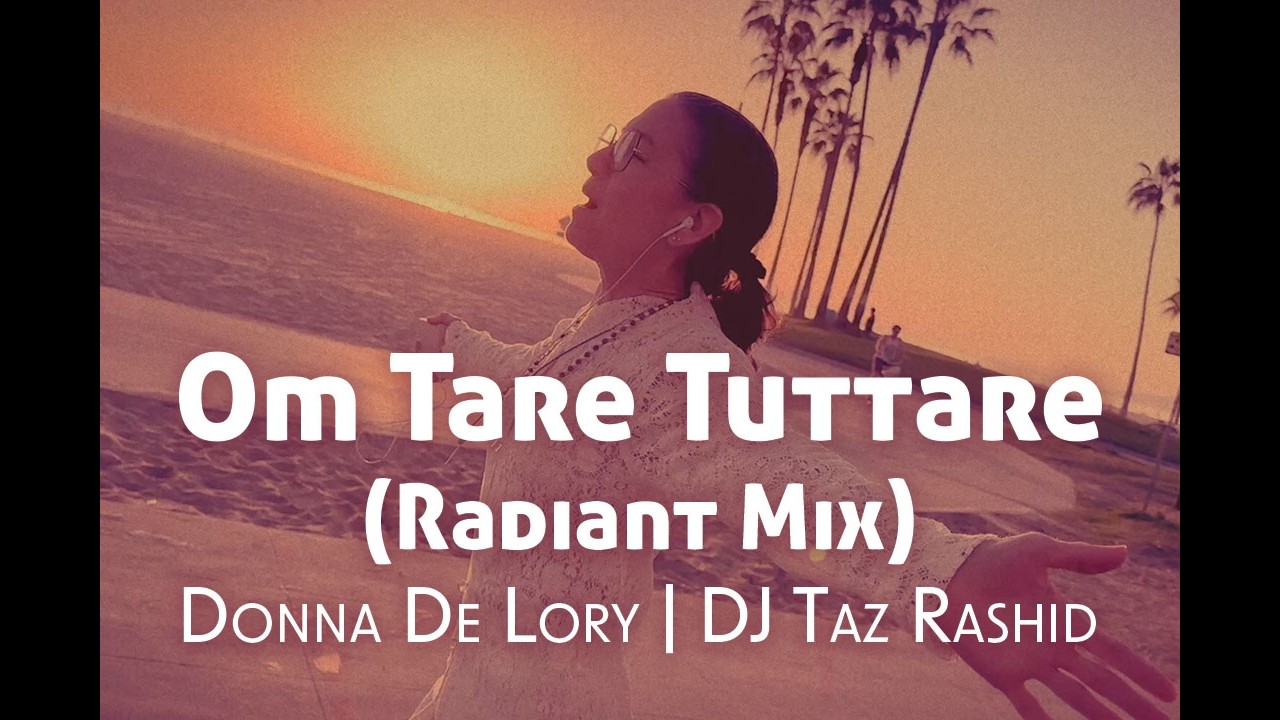
Om Tare Tuttare Mantra: DJ Taz Rashid's Radiant Remix
Featured

Om Tare Tuttare Mantra: DJ Taz Rashid's Radiant Remix

DJ Taz Rashid remixes the sacred "Om Tare Tuttare" mantra into a contemporary groove that centers spiritual practice within everyday urban l…

1 min read
Om Namah Shivaya & Thy Will Be Done: Sacred Mantra Meditation
Featured

Om Namah Shivaya & Thy Will Be Done: Sacred Mantra Meditation

A meditation mix blending the Sanskrit mantra Om Namah Shivaya with the Christian invocation Thy Will Be Done, featuring kirtan artist Donna…

1 min read
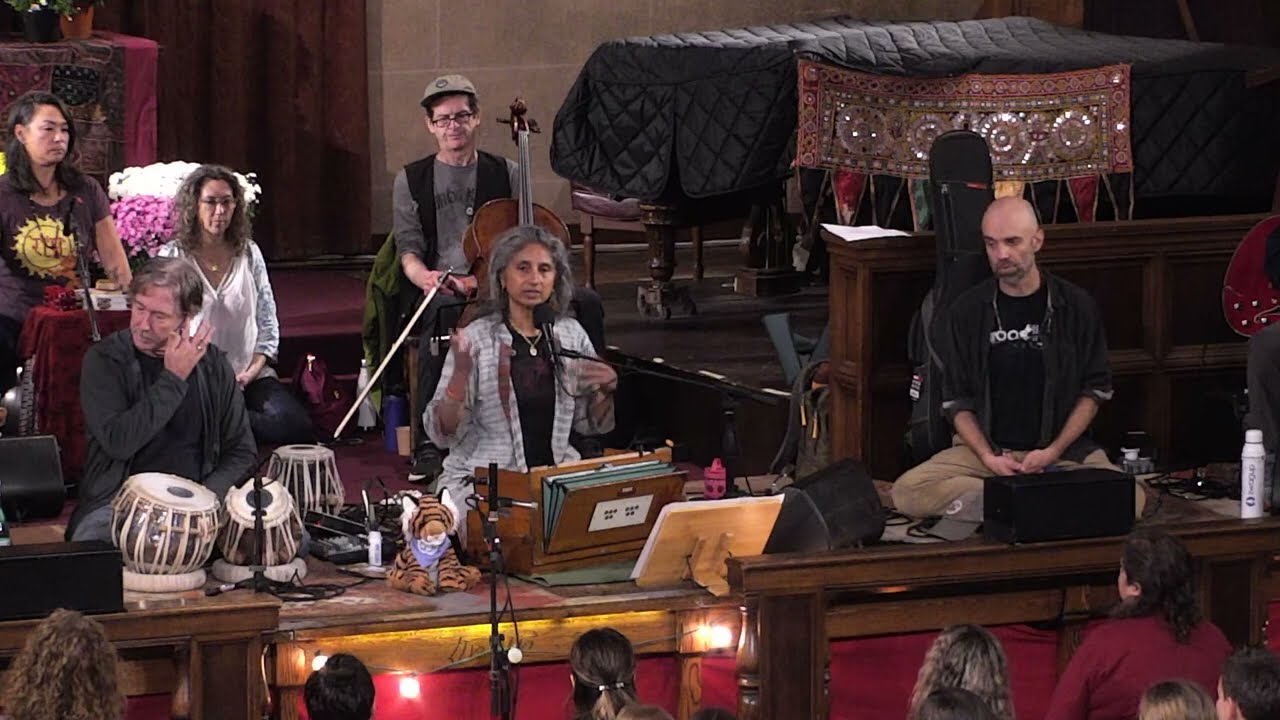
Chanting Together: The Sacred Practice of Kirtan
Featured

Chanting Together: The Sacred Practice of Kirtan

A Thursday night satsang showcases the transformative power of collective chanting, weaving Sanskrit invocations with musical ensemble and d…

1 min read
Krishna Das: From NYC to Neem Karoli Baba
Featured

Krishna Das: From NYC to Neem Karoli Baba

A Long Island kid named Jeffrey Kagel found a guru in the foothills of the Himalayas and came home with something no one in American music h…

1 min read

探索を続ける

旅をつづける

BrightStarのディレクトリから、さらなる智慧と集いを。

もっと記事を読む

教え、インタビュー、ガイドのライブラリ全体をご覧ください。

すべての記事に戻る →

講師とアーティスト

コンシャスな世界の系譜、音楽家、導き手を探しましょう。

アーティストを探す →

イベントを見つける

キルタン、リトリート、サウンドバス、ブレスワーク、フェスティバル — まもなく開かれます。

イベントを見る →