EveryEvent San Diego

Ver todos os Events

Find every event in San Diego

events

Concerts & Live Music
Festivals
Sports & Recreation
Food & Drink
Arts & Culture
Community
Family & Kids
Nightlife
Comedy
Theater
Destinos populares
BaliSedonaLos AngelesCosta RicaNew YorkSan FranciscoAustinMiamiJoshua TreeTulum
Ver todas as categoriasVer todos os destinos

Explorar todos os recursos

Ferramentas poderosas para expandir seus eventos

Recursos da plataforma

Precificação dinâmica inteligente
Categorias de ingressos
Lugares marcados
Recuperação de carrinho abandonado
Recuperação de visitantes
Doações e preço variável
Sistema de afiliados
Scanner de ingressos
Códigos de desconto
Perguntas personalizadas
Compartilhamento de ingressos
Upsells e adicionais
Análises e relatórios
Sequências de e-mail
Lista de espera / Notificar / Lembrar
Explorar
Discovery HubArtists & PerformersVenuesKnowledge Base
Ver todos os recursosSobre nós
PreçosBlog
Language
Saved events
Ver todos os eventos

events

Concerts & Live MusicFestivalsSports & RecreationFood & DrinkArts & CultureCommunityFamily & KidsNightlife

Destinos populares

BaliSedonaLos AngelesCosta RicaNew YorkSan Francisco

Explorar

Discovery HubArtists & PerformersVenuesKnowledge Base

Recursos da plataforma

Precificação dinâmica inteligenteCategorias de ingressosLugares marcadosRecuperação de carrinho abandonadoRecuperação de visitantesDoações e preço variávelSistema de afiliadosScanner de ingressosCódigos de descontoPerguntas personalizadasCompartilhamento de ingressosUpsells e adicionaisAnálises e relatóriosSequências de e-mailLista de espera / Notificar / Lembrar
Ver todos os recursosSobre nós
PreçosBlog
EntrarCadastrarOrganizadores de eventos
  • Browse All Events
  • Concerts & Live Music
  • Festivals
  • Sports & Recreation
  • Food & Drink
  • Arts & Culture
  • Community
  • Family & Kids
  • Nightlife
  • Todas as categorias →
  • Los Angeles
  • Tijuana
  • Palm Springs
  • Joshua Tree
  • Temecula
  • All Destinations →
  • For Promoters
  • For Artists
  • For Venues
  • For Festivals
  • For Event Spaces
  • For Nonprofits
  • For Bloggers
  • For Speakers
  • Brand Ambassador
  • Case Studies
  • Rede de 350K+ compradores
  • Recuperação de carrinho abandonado
  • Precificação dinâmica inteligente
  • Categorias de ingressos
  • Eventos recorrentes
  • Lugares marcados
  • Sistema de afiliados
  • Lista de espera / Notificar
  • Scanner de ingressos
  • Widget incorporável
  • Distribuição de eventos
  • Central de mensagens
  • Integrações
  • Relatórios
  • Todos os recursos →
  • Sobre
  • O ecossistema
  • Blog
  • Glossário
  • Inspiração
  • Central de ajuda
  • Contato
  • Documentação da API
  • Recursos da marca
  • Carreiras
  • Imprensa
  • Termos de Serviço
  • Política de Privacidade

Events

  • Browse All Events
  • Concerts & Live Music
  • Festivals
  • Sports & Recreation
  • Food & Drink
  • Arts & Culture
  • Community
  • Family & Kids
  • Nightlife
  • Todas as categorias →

Getaways

  • Los Angeles
  • Tijuana
  • Palm Springs
  • Joshua Tree
  • Temecula
  • All Destinations →

For Organizers

  • For Promoters
  • For Artists
  • For Venues
  • For Festivals
  • For Event Spaces
  • For Nonprofits
  • For Bloggers
  • For Speakers
  • Brand Ambassador
  • Case Studies

Recursos

  • Rede de 350K+ compradores
  • Recuperação de carrinho abandonado
  • Precificação dinâmica inteligente
  • Categorias de ingressos
  • Eventos recorrentes
  • Lugares marcados
  • Sistema de afiliados
  • Lista de espera / Notificar
  • Scanner de ingressos
  • Widget incorporável
  • Distribuição de eventos
  • Central de mensagens
  • Integrações
  • Relatórios
  • Todos os recursos →

Empresa

  • Sobre
  • O ecossistema
  • Blog
  • Glossário
  • Inspiração
  • Central de ajuda
  • Contato
  • Documentação da API
  • Recursos da marca
  • Carreiras
  • Imprensa
  • Termos de Serviço
  • Política de Privacidade
EveryEvent
© 2026 EveryEvent San Diego. Todos os direitos reservados.
Inspiration

Early Morels: Identification,Habitat & Edibility

Paul Stamets
Paul Stamets
Apr 22, 2022
6 min de leitura
Assistir · 4

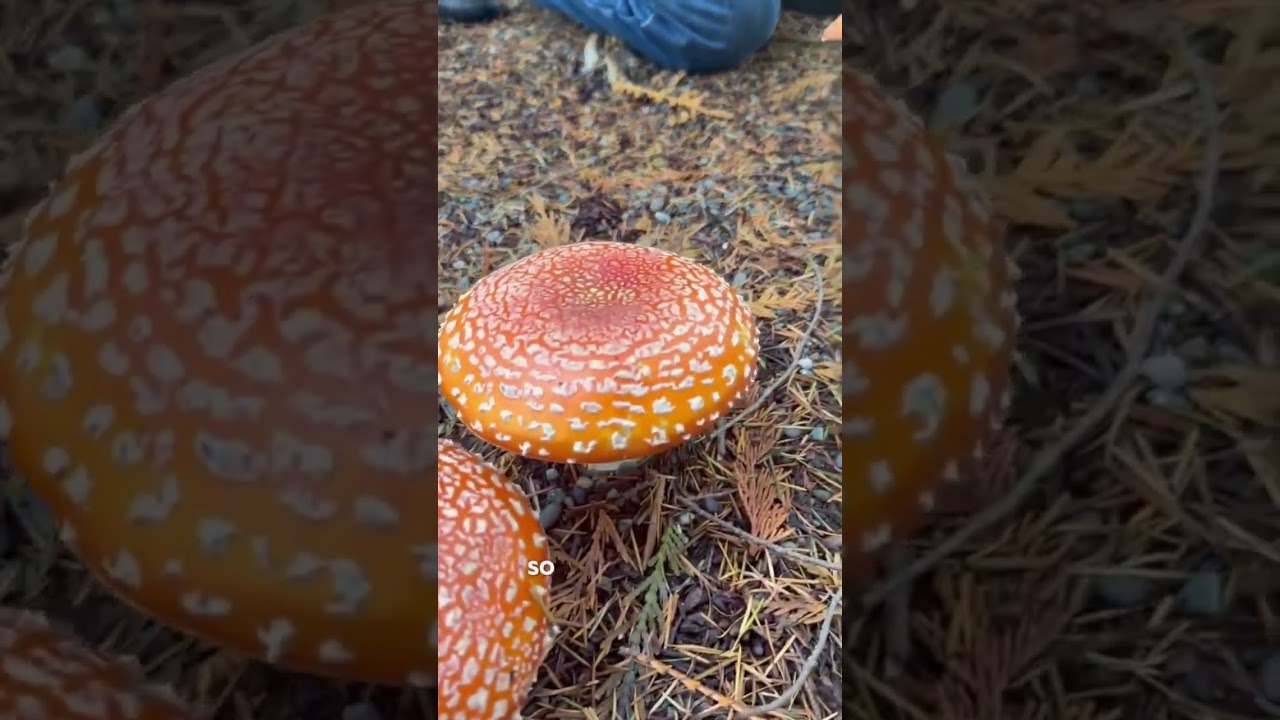
Paul Stamets documents an Earth Day mushroom hunt focused on Early Morels (Verpa bohemica), a species that precedes true Morels by one to two weeks. While some foraging guides describe Early Morels as edible and choice, they carry a problematic reputation due to suspected associations with gyromitrins—the same compounds found in false morels. Stamets emphasizes the uncertainty around this mushroom's safety profile and notes the role of individual experience in culinary mycology, where mushrooms are deemed safe primarily through historical human consumption rather than modern chemical analysis.

Leitura · 8 seções

Where Do Early Morels Grow?

Early Morels (Verpa bohemica) thrive in specific ecological niches across North America. According to Stamets' observations in the Western Cascades, these mushrooms appear in areas with abandoned campsites, around cottonwoods, in old apple orchards, and notably in disturbed ground—particularly burned areas. True Morels (Morchella species), which fruit after Early Morels, grow in association with elms, cottonwoods, mature apple trees, firs, and even in gardens mulched with cardboard, construction sites, and other human-disturbed zones. The species' preference for disturbance and forest succession makes them predictable in certain habitat types, a principle Stamets has relied on for years of consistent collecting.

What Is the Seasonal Timing of Early Morels?

Early Morels arrive one to two weeks before the main Morchella season reaches peak fruiting. This early emergence makes Verpa bohemica a useful indicator species for morel hunters—spotting Early Morels signals that true Morels are imminent. Stamets emphasizes this timing as a practical element of mushroom ecology, allowing foragers to calibrate their search efforts and anticipate the arrival of the more widely trusted Morchella species.

Is Verpa bohemica Safe to Eat?

This is the central tension in Stamets' presentation. While many foraging guides and mushroom field books list Verpa bohemica as "edible and choice," the species carries a storied and controversial reputation. The primary concern stems from suspected contamination or presence of monomethyl hydrazines—the same family of compounds (gyromitrins) associated with false morels (Gyromitra species), which have caused poisonings and deaths. However, Stamets notes a critical gap: "without evidence to the best of my knowledge," no rigorous chemical analysis has definitively proven gyromitrins exist in Verpa bohemica.

Stamets himself consumes Early Morels, but only after thoroughly cooking them in a well-ventilated space—a harm-reduction approach rather than an endorsement of safety. His former professor, Dr. Michael Beug, remains unimpressed by their flavor and does not recommend them. Meanwhile, other foragers and mycologists report positive experiences. This divergence of opinion underscores a core principle of culinary mycology: "We only know which mushrooms are edible or poisonous—until chemical analytical methods became available—by the experiences of other myconauts who have consumed them previously."

What Role Does Individual Experience Play in Determining Mushroom Safety?

Stamets stresses that mycology lacks the comprehensive toxicological data we often assume exists. Unlike many pharmaceuticals or food additives that undergo rigorous laboratory analysis before use, wild mushrooms have historically been deemed safe (or dangerous) through accumulated anecdotal evidence—people eating them and either thriving or becoming ill. This empirical approach has worked reasonably well for well-documented species, but it leaves species like Verpa bohemica in an ambiguous zone. Sensitivity to toxins varies by individual; some people may metabolize or tolerate a compound better than others, while others experience symptoms like loss of muscle control.

Stamets suggests that some reported poisonings attributed to Verpa bohemica may actually reflect misidentification. This uncertainty is the "way of culinary mycology"—a messy, real-world process where complete knowledge lags behind foraging practice. The same principle applies to most wild foods, from wild plants to game animals, where traditional knowledge and individual tolerance build the safety profile over generations.

Why Does Stamets Emphasize "Do Not Consume"?

Despite eating Early Morels himself under specific conditions, Stamets repeatedly and emphatically warns viewers not to consume Verpa bohemica. This apparent contradiction reflects responsible science communication: in the absence of conclusive evidence about toxicity, and given serious adverse effects reported by some foragers, the precautionary stance is the ethical default. Stamets' own consumption is presented as a calculated personal decision informed by decades of experience, not a recommendation for others.

He calls for chemists to conduct analytical work on Verpa bohemica to resolve the gyromitrins question once and for all. Until that evidence exists, the honest answer is: we don't fully know, and caution is warranted. This distinction between "I will consume this" and "You should not" reflects both scientific humility and ethical responsibility toward an audience of varied experience levels.

How Does This Mushroom Hunt Fit Into Broader Earth Day Practice?

Stamets frames the morel hunt within a larger Earth stewardship ethic. On Earth Day 2022, he and Dr. Pam Kryskow not only sought mushrooms but actively picked up trash in the field. Stamets is "quite passionate" about cleanup during foraging trips, viewing it as inseparable from responsible land use. He encourages all families to combine morel hunting with environmental restoration: "look for morels and pick up trash it's a great time to be outside … we all should do our part as Earth citizens to make this planet better."

This integration of foraging and cleanup reflects a mycological worldview in which humans participate in ecological communities, not merely extract resources. The bluff overlooking the river, with its visible thin topsoil supporting the forest canopy, serves as a reminder of ecological fragility—all the more reason to practice care and reciprocity in wild lands.

What Makes This Video a Resource for Aspiring Morel Foragers?

Rather than a simple "how to find morels" guide, Stamets offers something deeper: a model of scientific caution married with practical experience. He maps the specific habitats where Morels fruit in his region, explains the temporal marker that Early Morels provide, and honestly addresses the toxicity question—not by offering false reassurance, but by acknowledging the gaps in our knowledge and the reasons for precaution. For anyone foraging wild mushrooms, this approach—combining field knowledge, humility about uncertainty, and ethical concern for both human health and the environment—sets a high standard.

Where to Go From Here

If you're interested in morel hunting, start by identifying the habitat types where Morchella thrives in your region: elm and cottonwood areas, disturbed ground, old orchards, mulched gardens. Learn the true Morel's appearance and distinguish it from false morels and Early Morels before any consumption. For Verpa bohemica specifically, research recent scientific literature on gyromitrins and err toward caution—Stamets' repeated warning is well-founded. Consider joining a local mycological society where experienced foragers can teach identification in the field. Finally, integrate land stewardship into every foraging trip: pick up trash, practice sustainable harvesting, and view mushroom hunting as an opportunity to deepen your relationship with ecological health, not simply to procure food.
Transcript

[0:03] hi folks Paul Samus on Earth Day and

[0:06] it's a great time to be alive and I'm on

[0:08] this little Bluff with an amazing

[0:11] cutback there with the river and you can

[0:13] see how thin the layer of topsoil is

[0:16] supporting those trees

[0:18] and

[0:20] I'm in a special spot because I'll tell

[0:22] you a secret

[0:24] this is where I've been collecting

[0:25] morels for years in the middle of these

[0:29] camp sites that have been abandoned

[0:32] what's remarkable about this in the the

[0:35] Western slopes of the Cascades in this

[0:38] region we don't have as many morels as

[0:40] in the burned areas in Eastern

[0:41] Washington Eastern Oregon even in

[0:44] California with a very prolific so we

[0:46] have them around cotton Woods abandoned

[0:50] apple orchards curiously and we have

[0:53] them in burned areas and so this fire

[0:56] pit has been the place I've collected

[0:57] morels in the past alas no luck today

[1:00] but in the course of

[1:02] hunting mushrooms I like to pick up

[1:04] trash I'm quite passionate about this

[1:06] and what a great thing for you and your

[1:08] family to do on Earth Day look for

[1:10] morels and pick up trash it's a great

[1:12] time to be outside you can all do

[1:15] and we all should do our part as Earth

[1:18] citizens to make this planet better so

[1:20] happy Earth Day everybody

[1:23] not only is more successful in finding

[1:26] some really excellent trash but we have

[1:28] found the an early morale verpa bohemica

[1:32] and uh Pam spied this and then over here

[1:36] that's her patch this is my patch my

[1:39] patch is right here okay and so more

[1:41] invapable humicles are coming up is

[1:43] edible and choice mushroom this is

[1:45] usually a one week to two weeks before

[1:49] morels so

[1:51] um

[1:52] edible in Choice it's got some other

[1:54] names now so it's a complex but

[1:58] yay happy Earth Day everybody

Paul Stamets
AutorPaul Stamets

Mycologist and advocate who has dedicated his life to studying mushrooms and their transformative potential to heal people and restore the planet through medicine, agriculture, and…

Ver perfilSite
Explorar temas
Morel-mushroomsEarly-morelsMycologyMushroom-identificationForaging-safety

Tem perguntas?

Perguntas frequentes

Early Morels carry a controversial edibility status. While some foraging guides list them as edible and choice, they are suspected to contain gyromitrins—toxins also found in false morels—though definitive chemical evidence is lacking. Stamets emphasizes caution and recommends against consumption due to reported adverse effects and the uncertainty around their safety profile.
Early Morels (Verpa bohemica) fruit one to two weeks before true Morels (Morchella species), making them a seasonal indicator. True Morels grow in association with elms, cottonwoods, apple trees, firs, and disturbed ground like burned areas and mulched gardens. Early Morels appear in similar habitats but arrive earlier in the season.
Morels thrive in disturbed habitats: abandoned campsites, areas around cottonwoods and elm trees, old apple orchards, burned areas, construction sites, and gardens mulched with cardboard. The Western Cascades and Eastern Washington/Oregon have prolific morel populations in these ecological niches.
Gyromitrins (monomethyl hydrazines) are toxins found in false morels and suspected in Early Morels. These compounds can cause neurological symptoms including loss of muscle control. Stamets calls for chemical analysis of Verpa bohemica to determine whether gyromitrins are truly present, as conclusive evidence is currently unavailable.
Yes. Stamets explains that people metabolize and tolerate mushroom compounds differently; one person may tolerate Verpa bohemica while another experiences serious adverse effects. This variability in individual response is part of why historical experience and anecdotal reports—rather than universal rules—have traditionally determined mushroom safety.
Stamets' personal consumption reflects decades of experience and calculated risk-taking under controlled conditions (thorough cooking in ventilation). His repeated "Do Not Consume" warnings reflect responsible science communication: in the absence of conclusive toxicity data, precaution is the ethical default for the general public.
Historically, mushrooms are deemed safe through accumulated experience—people eating them over generations and surviving or reporting illness. Unlike pharmaceuticals, wild mushrooms typically lack rigorous laboratory analysis before use. Stamets notes this is the "way of culinary mycology" and applies to most wild foods.

Continuar lendo

More from Paul

Ver Tudo
Amanita Muscaria: History, Identification & Safety of Fly Agaric
Featured

Amanita Muscaria: History, Identification & Safety of Fly Agaric

Amanita muscaria, the fly agaric, has ancient roots in pest control and cultural mythology. Despite its striking beauty, this mushroom poses…

1 min read
Lactarius Deliciosus: Identifying & Foraging the Saffron Cap
Featured

Lactarius Deliciosus: Identifying & Foraging the Saffron Cap

The saffron milk cap (Lactarius deliciosus) is an easy-to-identify edible mushroom with striking green staining and orange milk. Learn how t…

1 min read
How Sitting Still Proves You're Already Awakening
Featured

How Sitting Still Proves You're Already Awakening

Most people can't sit quietly without discomfort, but if you can, you're already further along spiritually than you realize. Eckhart Tolle e…

1 min read
The Missing Piece: How Real Thinking Creates Real Results
Featured

The Missing Piece: How Real Thinking Creates Real Results

Most vision boards fail because people skip the actual thinking. Eckhart Tolle reveals the rhythm that unlocks insight and the two distinct …

1 min read

Continue explorando

Continue sua jornada

Mais sabedoria e mais encontros de todo o diretório BrightStar.

Mais artigos

Explore a biblioteca completa de ensinamentos, entrevistas e guias.

Voltar a todos os artigos →

Professores e artistas

Conheça as linhagens, os músicos e os guias do mundo consciente.

Explorar artistas →

Encontre um evento

Kirtan, retiros, banhos de som, breathwork, festivais — acontecendo em breve.

Ver eventos →