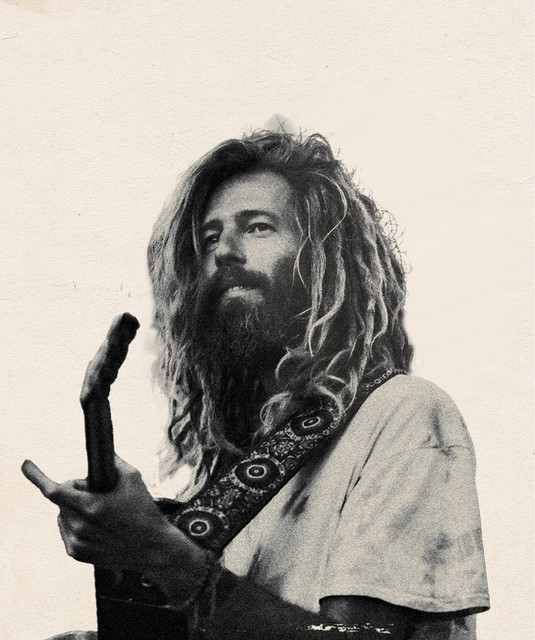
Sam Garrett invites participants to join a conscious retreat in Mauritius on September 6th. The announcement signals a growing trend in conscious travel—combining spiritual practice, community gathering, and island wellness in destination-based events. This piece explores what conscious retreats in island settings offer, how they differ from standard travel, and why teachers are increasingly hosting these immersive experiences.
What Is a Conscious Retreat in an Island Setting?
Conscious retreats represent a shift from conventional tourism toward intentional travel experiences designed around spiritual practice, meditation, movement, and community building. Island settings like Mauritius—with their natural beauty, isolation from urban distractions, and established wellness infrastructure—have become prime locations for these multi-day immersive programs.
Unlike standard vacation retreats, conscious travel events combine formal teaching or practice sessions with unstructured time for integration, rest, and peer connection. Participants typically arrive with an intention to deepen their practice, whether that's meditation, yoga, breathwork, or dharma study, rather than simply sightseeing or relaxing.
Why Host Retreats in Mauritius Specifically?
Mauritius offers several practical and energetic advantages as a retreat destination. The island nation sits in the Indian Ocean with a multicultural population, established hospitality infrastructure, accessible flight connections from Europe and Asia, and a tropical climate that naturally supports relaxation and introspection. The combination of ocean, tropical gardens, and cultural diversity creates an environment that many retreat facilitators believe supports deeper inner work.
Island retreats also create a natural boundary—participants are physically separated from their daily responsibilities, reducing competing demands on attention and creating what retreat organizers call a "contained field" where group energy can build more cohesively.
How Do Conscious Retreats Build Community?
Multi-day gatherings in shared spaces generate a sense of belonging that single-session workshops or online programs cannot replicate. When participants eat together, practice together, and share evening conversations over several days, social bonds deepen quickly. This peer connection often becomes as valuable to attendees as the formal teaching or practice content itself.
Community-based retreats also normalize spiritual practice in everyday social contexts. Participants return to their home cities with a network of practitioners who understand their path, creating ongoing accountability and friendship beyond the retreat dates.
What Should Prospective Participants Consider?
Before registering for a destination retreat, prospective participants should clarify several logistics: the exact dates and duration, the daily schedule and teaching content, dietary accommodations, accessibility requirements, and refund policies. Sam Garrett's announcement of the September 6th date suggests registration details are available at zekomru.com—a dedicated event site that typically contains itinerary information, pricing, and instructor bios.
Participants should also consider their own readiness: Do they have time away from work or family responsibilities? Can they afford the travel, accommodation, and program fees? Are they genuinely interested in the teaching tradition or content focus, or are they primarily seeking a vacation with spiritual elements?
Where Does This Fit in the Broader Conscious Travel Landscape?
Destination retreats have grown exponentially over the past decade as spiritual teachers, yoga trainers, and dharma facilitators recognize their value as both teaching platforms and sustainable income sources. Unlike weekly local classes or one-off workshops, retreats allow teachers to work intensively with smaller groups, charge appropriately for their expertise, and create the immersive conditions that support genuine transformation.
The September 6th Mauritius retreat follows this model—a specific date, island location, and dedicated website suggest a professionally organized, multi-day program rather than a casual gathering. This professionalization reflects growing demand from practitioners who are willing to invest significantly in experiences that combine travel, teaching, and community.
Where to Go From Here
If you're interested in learning more about the Mauritius retreat, visit zekomru.com for full program details, including schedule, faculty, accommodation options, and pricing. Consider whether a September date aligns with your calendar and whether island-based retreat travel matches your learning style and budget. If Mauritius isn't accessible, use this example as a model for researching other conscious retreats with facilitators whose work resonates with you—similar programs are available globally through teachers' websites and retreat aggregator platforms.